Precision Filter
In wastewater treatment plant 'Grade 1B to Grade 1A upgrading', reclaimed water reuse, and industrial wastewater pretreatment, traditional sand filtration has limited interception of fine suspended solids (10–200 μm range), occupies a large footprint, and consumes significant water for backwashing. The JC FRANCE INDUSTRIE precision filter features a '316L stainless steel rotary drum screen + inside-out filtration + outside-in automatic backwash' as its core, operating continuously with minimal head loss. It is a high-efficiency microfiltration equipment for advanced removal of non-dissolved suspended particles (different from gravity-type valveless sand filtration in mechanism, belonging to surface microfiltration).
I. Product Positioning
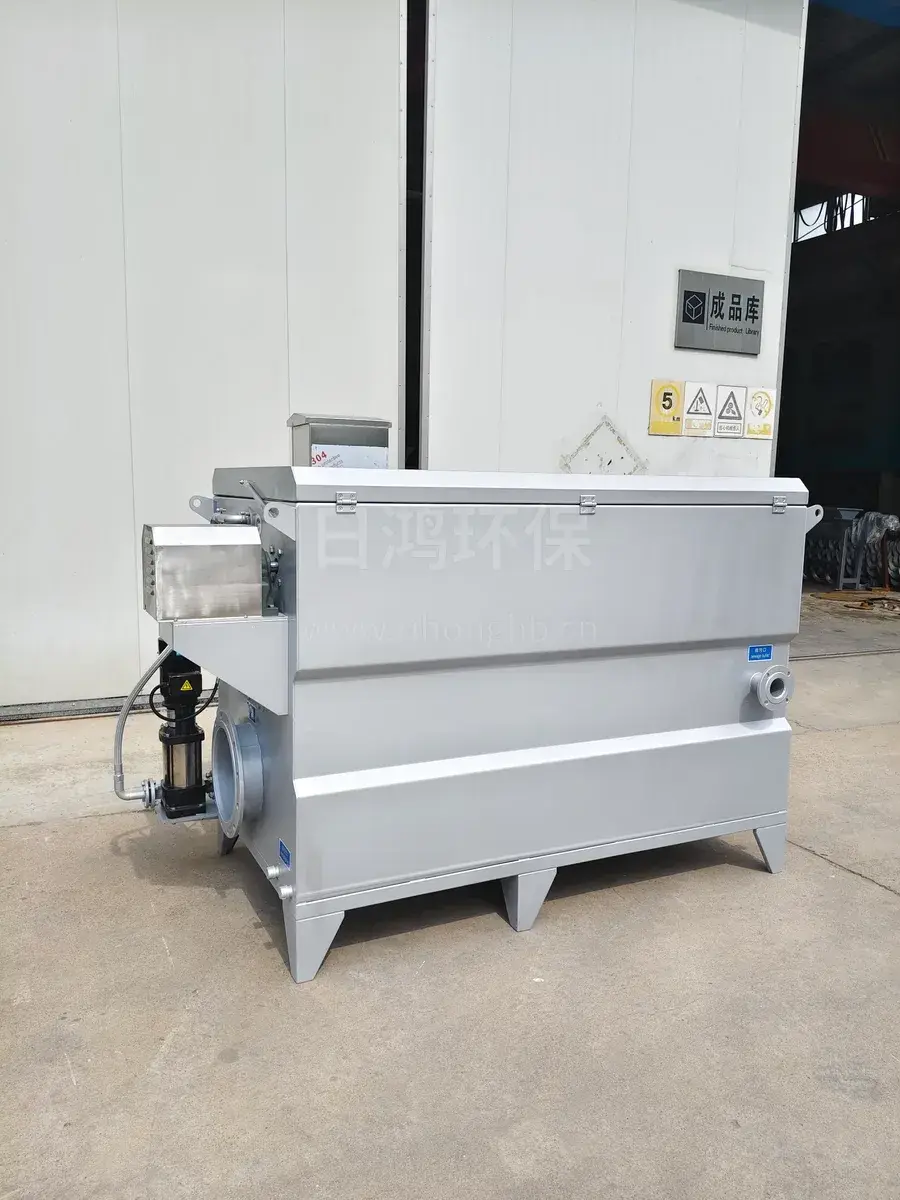
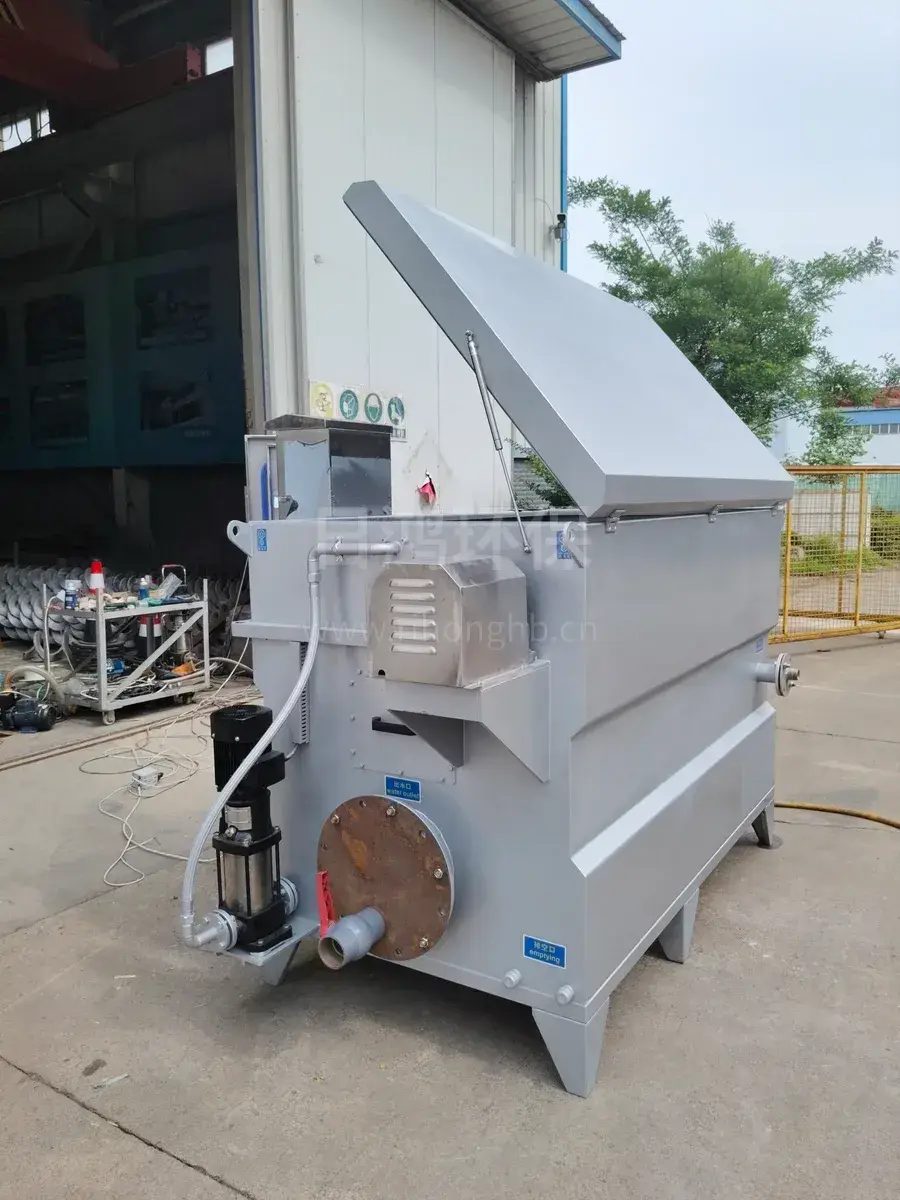
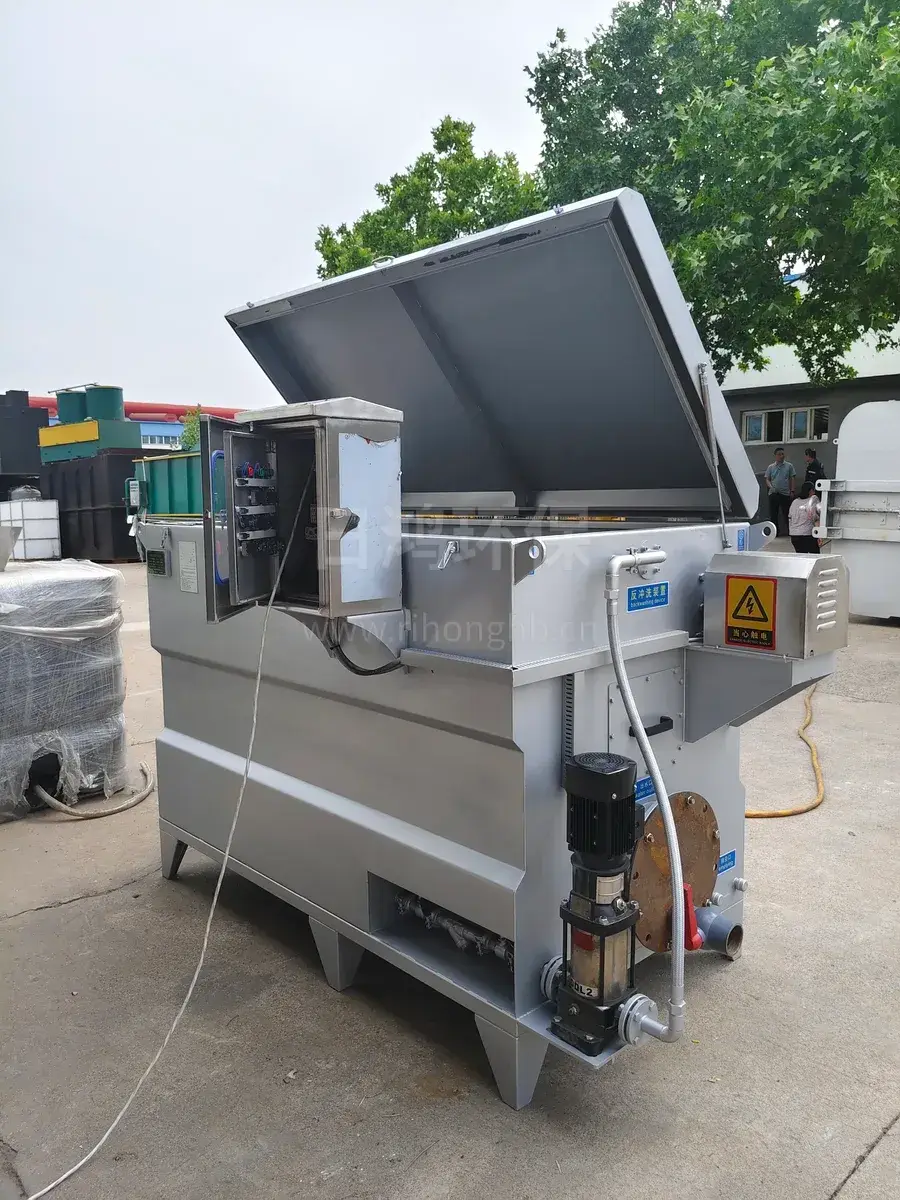
The precision filter is a rotary/drum-type stainless steel microscreen: raw water enters the interior of the rotating drum through the central inlet pipe, passes through the porous 316L stainless steel screen from inside to outside for filtration, and suspended solids are intercepted on the inner surface of the screen; the drum rotates slowly, and the backwash system draws filtered water to spray through high-pressure umbrella-shaped nozzles from outside to inside to wash the screen, and the dislodged contaminants are discharged through the collection trough. The main body and drum are mostly made of 304/304L stainless steel, and the screen is 316L stainless steel with fibrillated weaving and spot-welded fixation, not prone to biofilm growth, acid-washing free, capable of continuous filtration with uninterrupted backwashing. It is suitable for municipal wastewater advanced treatment, reclaimed water reuse, industrial wastewater pretreatment, and water treatment plant pretreatment, etc.
II. Working Principle (Brief)
Influent enters drum: Raw water enters the interior of the rotating drum through the central inlet pipe and is evenly distributed on the inner side of the screen by the water distribution structure.
Inside-out filtration: Under pressure differential, water passes through the porous 316L stainless steel screen from inside to outside, fine suspended solids are intercepted on the inner surface of the screen, and clean water passes through the screen.
Filtered effluent: The clean water that penetrates the screen collects outside the drum and is discharged through the effluent weir/collection trough to subsequent units or for reuse.
Automatic backwash: The drum rotation cooperates with the backwash pump to draw filtered water, which is sprayed through high-pressure umbrella-shaped nozzles from outside to inside to wash off the intercepted contaminants.
Sludge collection: The sludge washed off is discharged through the contaminant collection trough on the side of the equipment and connected to the sludge system; backwash water does not mix back into the raw water.
Continuous operation: PLC controls filtration and backwashing; backwashing occurs simultaneously with uninterrupted filtration; supports automatic (by head/timer) and manual modes, with remote monitoring capability.
Process schematic: Raw water → central distribution into drum → inside-out through screen (intercepting suspended solids) → clean water collection and discharge → backwash pump outside-in washing → sludge collection and discharge (continuous operation).
III. Core Advantages
① High microfiltration precision 316L stainless steel screen with pore sizes of 10–200 μm selectable, precisely intercepting fine suspended particles, stable effluent.
② Long screen life Stainless steel screen is not prone to biofilm growth, acid-washing free, design life ≥10 years, low maintenance.
③ Continuous filtration without interruption Backwashing and filtration proceed simultaneously, no shutdown required, continuous and stable treatment.
④ Low head loss and energy consumption Head loss ≤0.3 m; main drive and backwash pump operate intermittently, operating cost about 0.002 RMB/ton water·day.
⑤ Small footprint and easy installation Footprint far smaller than most filtration processes at the same treatment capacity, skid-mounted, easy to install.
⑥ Fully automatic with minimal maintenance PLC control, manual/automatic switching, IP65 protection, remote communication capable, no dedicated on-site attendance required for daily operation.
IV. Main Technical Parameters (Typical Range Reference)
Item | Typical Range / Description |
|---|---|
Filtration pore size | 10 – 200 μm (commonly 10–100 μm, selected based on effluent requirements) |
Screen material | 316L stainless steel (fibrillated weaving + spot-welded fixation) |
Main body / drum material | 304 / 304L stainless steel |
Influent SS adaptability | Generally ≤ 40 mg/L for stable operation (certain shock resistance) |
Head loss | ≤ 0.3 m |
Operating cost | About 0.002 RMB / ton water·day (main drive + backwash pump intermittent) |
Drive system | Gear motor (e.g., SEW/NORD), design life ≥10 years, noise ≤40 dB |
Backwash method | Filtered water high-pressure umbrella-shaped nozzles, outside-in; automatic/timed/manual |
Control system | PLC, manual/automatic, protection class IP65, Ethernet communication capable |
Layout | Ground-level skid-mounted, suitable for indoor and outdoor |
Note: The above are typical engineering range reference values; specific values are determined by influent water quality, treatment scale, and equipment model.
V. Typical Application Scenarios
Scenario | Applicability Description |
|---|---|
Wastewater plant Grade 1B→Grade 1A upgrading | Advanced interception of suspended solids, helping to stably meet Grade 1A |
Reclaimed water reuse / resource recycling | Removes non-dissolved particles, ensuring reuse water quality |
Industrial wastewater pretreatment | Removes fine fibers, fine sand and other impurities, reducing downstream load |
Water treatment plant pretreatment | Microfiltration of raw water, providing safeguard for safe and high-quality water supply |
River/lake / landscape water purification | Algae and suspended solids removal and filtration, improving water body aesthetics |
Aquaculture / slaughterhouse wastewater | Fine suspended solids and fiber filtration, protecting subsequent processes |
Stormwater / reuse water polishing | Fine polishing of rainwater and miscellaneous water |
VI. Applicable Boundaries and Selection Recommendations
Suitable for: Advanced filtration to remove non-dissolved fine suspended solids (10–200 μm range); the 'fine polishing' stage in wastewater upgrading, reclaimed water reuse, and industrial/water supply pretreatment.
Note: ① It is surface physical interception, ineffective for dissolved COD, ammonia nitrogen, and total phosphorus, requiring upstream biochemical/physicochemical processes; ② Excessively high influent SS will increase backwash frequency and load, should be controlled upstream; ③ The intercepted particle size depends on the screen pore size, and selection must match the target suspended solids scale; ④ Distinguish from valveless filters — valveless filters are gravity sand filtration (removing colloidal turbidity, filtration rate 8–12 m/h), while JC FRANCE is drum stainless steel microfiltration (intercepting fine suspended solids, continuous operation, minimal head loss); ⑤ Distinguish from micro-sand plus carbon sedimentation tanks — JC FRANCE is purely physical interception, no chemicals or sand added, no coagulation or adsorption; ⑥ Backwash discharge must be connected to the sludge system for proper disposal.
Selection recommendations: Select screen based on target effluent suspended solids and pore size requirements; pre-treat with biochemical processes for upgrading/reuse scenarios; emphasize the reliability of the drum drive and backwash system and automation integration.
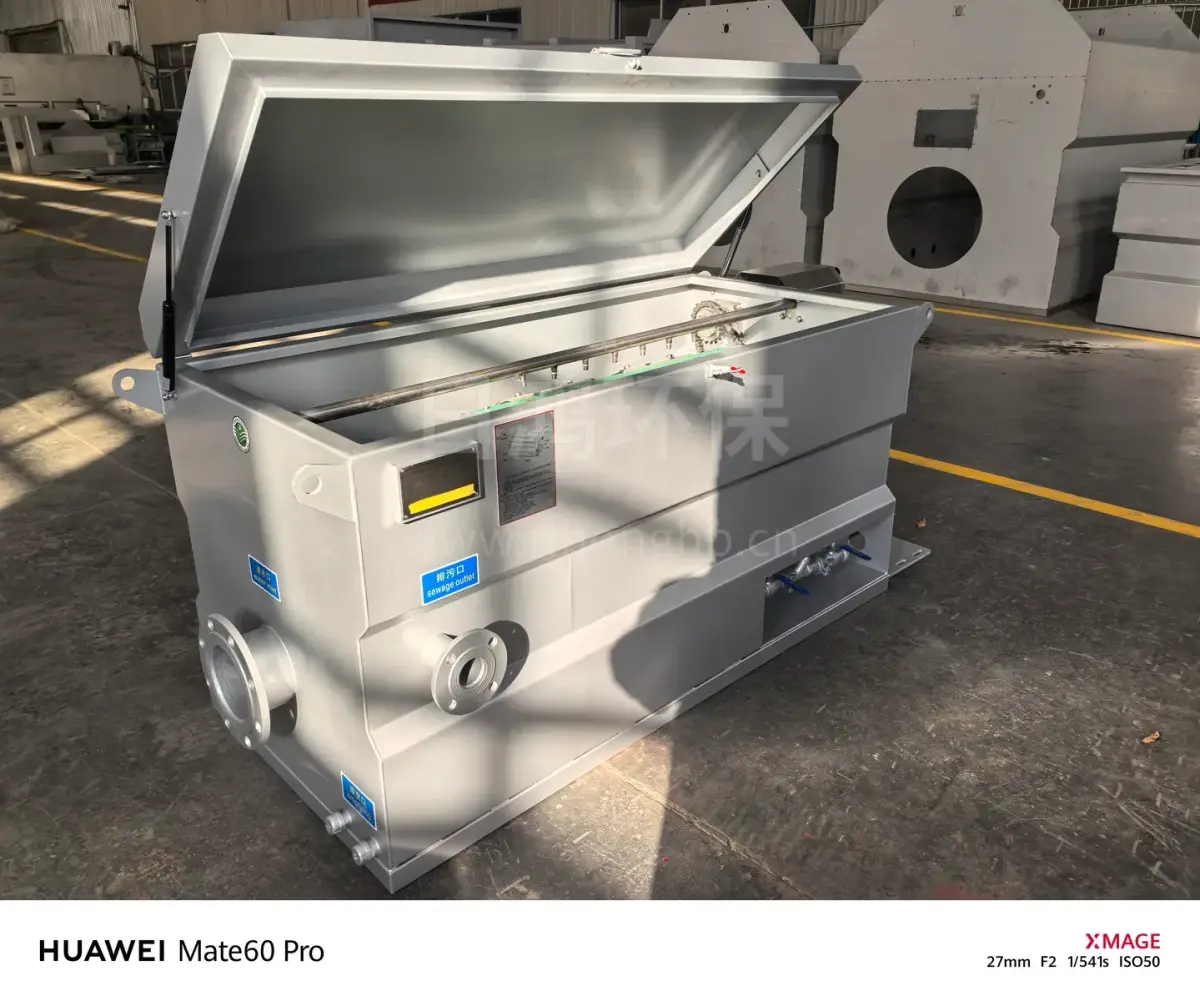
Product Images
FAQ
How much does this equipment cost?
The price varies by treatment capacity, water quality, materials and configuration, so a custom quote is provided based on your actual conditions. We offer free water testing and solution design, with a detailed quote within 1 working day after requirements are confirmed.
What treatment capacity is available? Can it be customized?
Capacity is fully customizable, ranging from tens to thousands of tons per day (e.g. 0.5–30 m³/h), with non-standard design support matched precisely to your inlet/outlet requirements.
How long does delivery take?
Standard equipment typically takes about 2–4 weeks to produce; custom projects depend on scale and process. The delivery date is confirmed at contract signing, with design, manufacturing and shipping progressing on schedule.
Is installation and commissioning included?
Yes. We provide installation, system commissioning, operator training and environmental acceptance assistance, as well as long-term managed operation services on request.
What about after-sales and warranty?
We provide a warranty period and a 24/7 technical hotline, with free repair for non-human faults during the warranty period, plus spare parts supply and regular inspection services.
Still worried about wastewater treatment?
Free Testing · Free Custom Solutions · Engineering Construction · Equipment R&D · Managed Operation
Contact Us Now →Related Products
Inclined Screen Filter
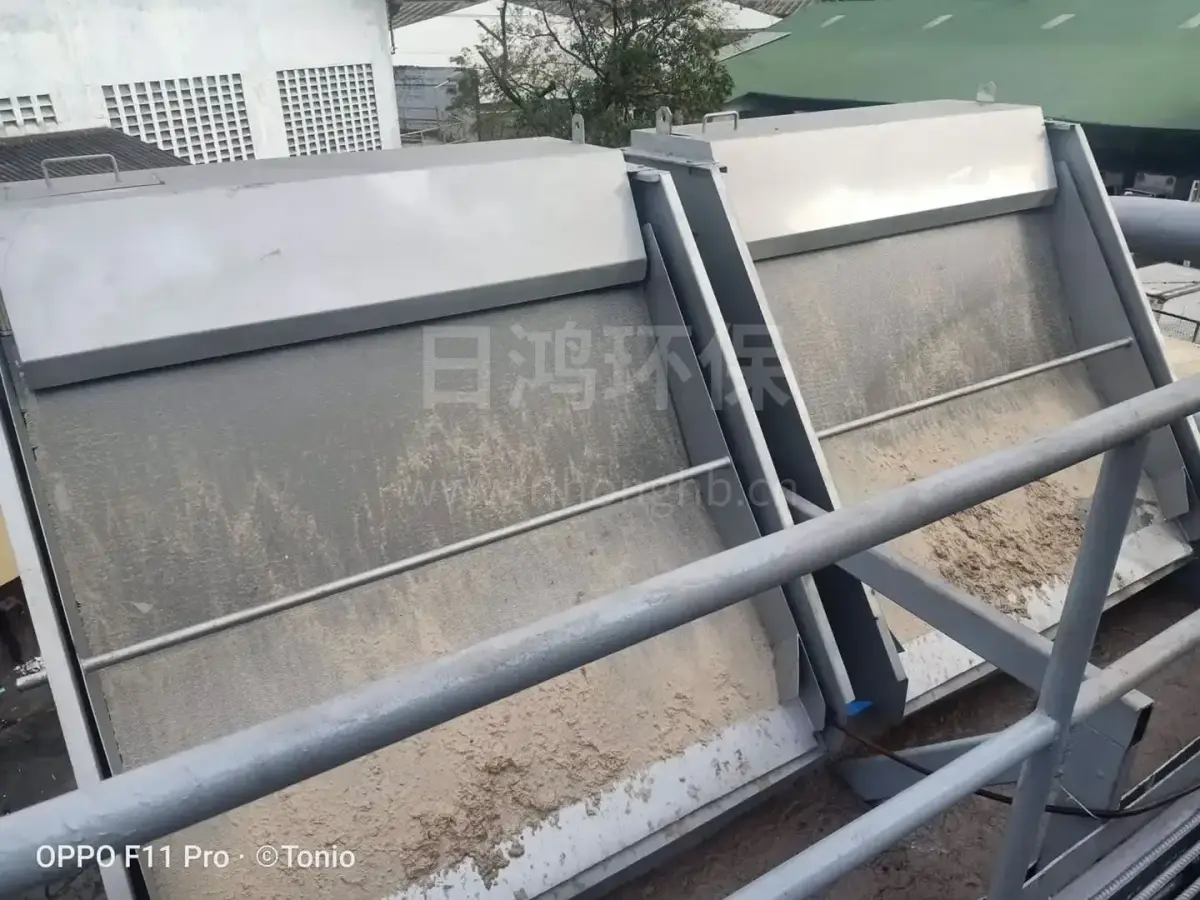
Wastewater from aquaculture, slaughterhouses, starch production, papermaking, and other industries often contains large amounts of coarse suspended solids, fibers, and debris. If such wastewater directly enters biological treatment or fine filtration equipment, it can easily clog screens, accumulate sludge, and increase chemical consumption. The inclined screen filter uses a single inclined stainless steel screen to efficiently separate large particulate solids from liquid by gravity flow—simple in structure, virtually no power consumption, and high capacity per unit—making it a classic first choice for front-end pretreatment and solid-liquid separation.
Grit & Water Separator
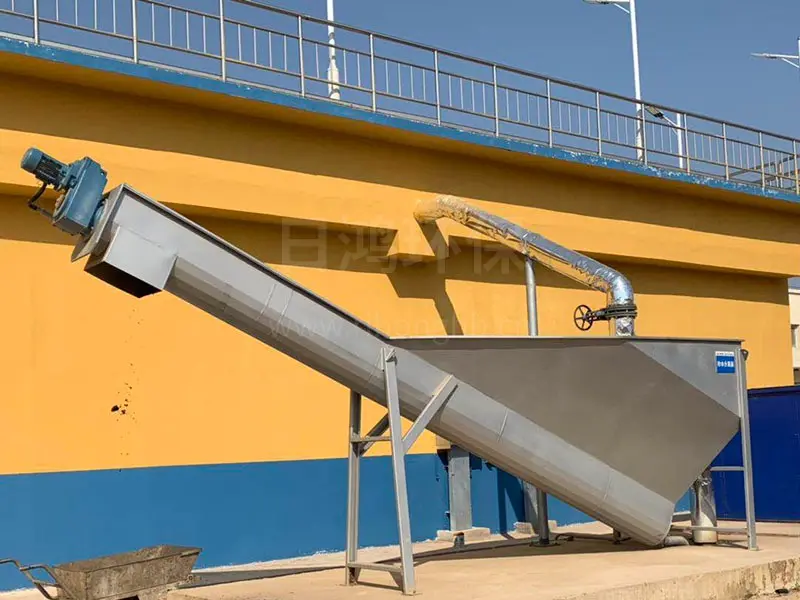
The grit chamber intercepts inorganic particles such as sand and stone chips from the influent, but what is discharged is often a "grit-water mixture"—if transported directly, it has high moisture content, large volume, and is prone to putrefaction and odor due to entrained organic matter. The Grit & Water Separator is designed specifically for this purpose, efficiently separating the grit-water mixture discharged from the grit chamber into clean, low-moisture grit and reusable clear water, making the grit discharge process clean, reduced in volume, and odor-free.
Microscreen Filter
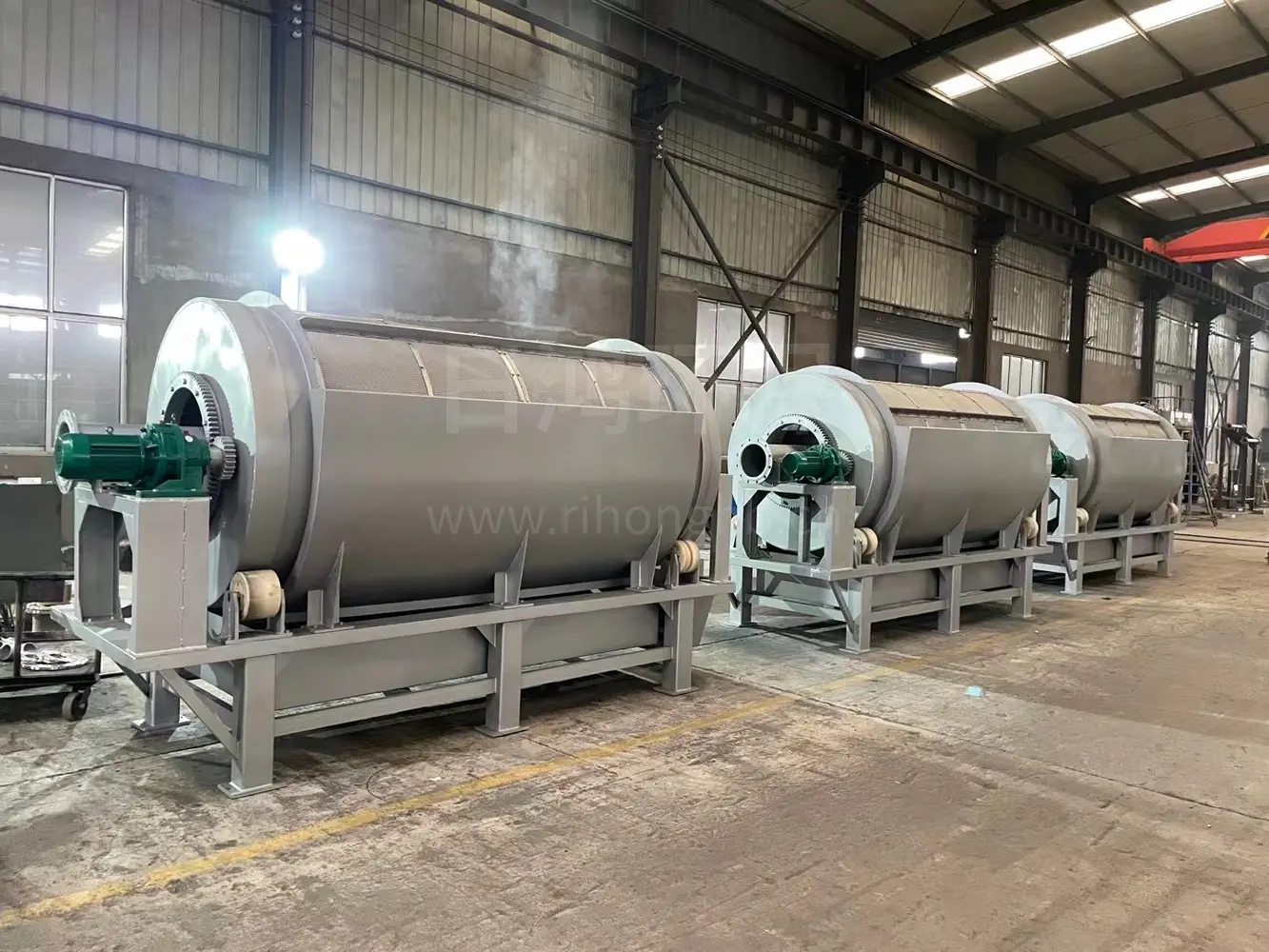
In wastewater upgrading, reclaimed water reuse, and water plant purification, it is often necessary to stably intercept fine suspended solids in the 10–200 μm range—sand filtration requires a large footprint, and inclined screens lack sufficient precision. The rotating drum microscreen filter uses a rotating stainless steel filter mesh to achieve "inside-out filtration + outside-in automatic backwash" by hydraulic means. It operates continuously with extremely low water loss, making it an efficient choice for fine suspended solids polishing.