
Waste Gas Treatment
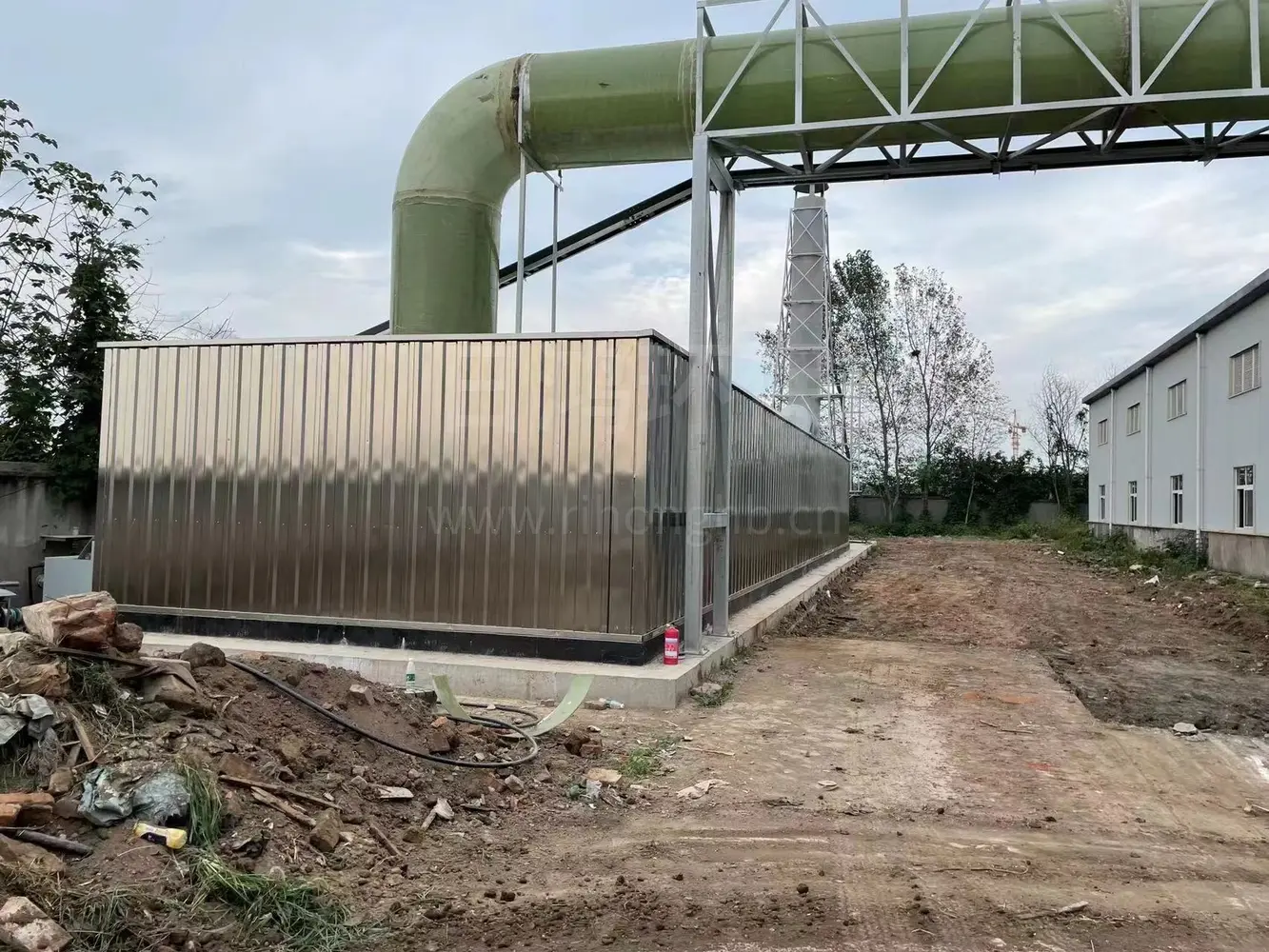
Biological Deodorization
Large volumes of odorous gases (hydrogen sulfide, ammonia, mercaptans, VOCs, etc.) generated by wastewater treatment plants, sludge treatment, waste transfer, and livestock farming are both a nuisance to residents and an environmental compliance concern. Chemical scrubbing consumes reagents, activated carbon requires replacement, and incineration burns fuel—whereas biological deodorization uses microorganisms attached to packing media to directly degrade odorous pollutants into carbon dioxide, water, and inorganic salts, with no secondary pollution and low operating costs. It is the mainstream green solution for low-concentration, high-air-volume odor control.
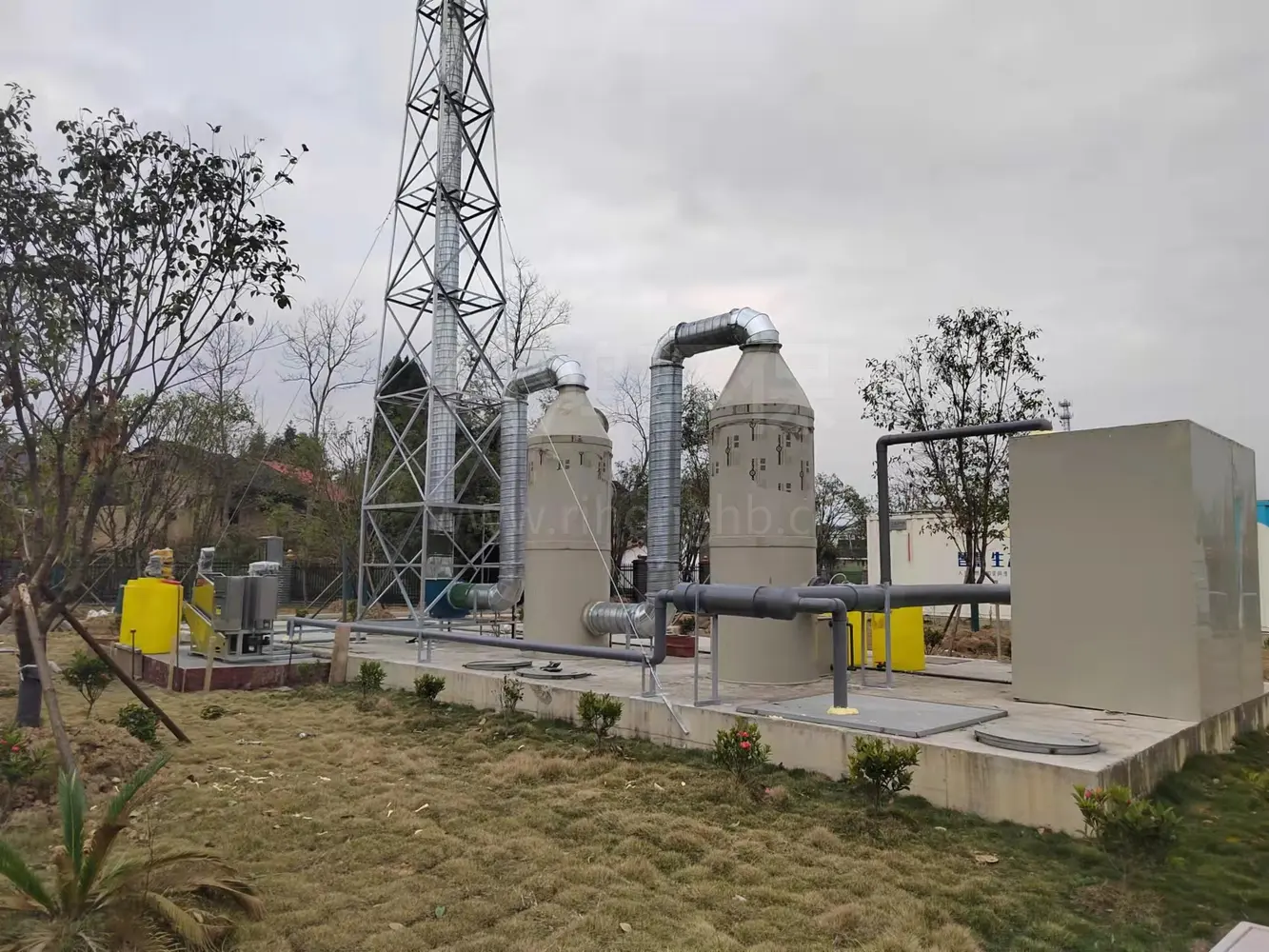
Spray Tower
In industries such as electroplating, chemical engineering, coating and spraying, boiler flue gas, and metal processing, acidic gases (HCl, sulfuric acid mist, NOx), alkaline gases, and process dust not only cause nuisance but are also directly related to environmental compliance and occupational health. Traditional dry dust removal is inadequate for acidic gases, while simple activated carbon adsorption is prone to saturation and has high operating costs. Rihong Environmental's spray tower, with its core of "multi-stage spraying + chemical neutralization + high-efficiency demisting," allows acidic waste gas and dust to be fully captured, neutralized, and scrubbed by the absorption liquid within the tower, achieving stable compliance emissions in a single treatment. It is the most cost-effective first choice for front-end industrial waste gas treatment.