
Electrocatalytic Equipment
High-Efficiency Electrocatalysis Equipment
Wastewater containing refractory organics, high salinity, toxic substances, and poor biodegradability often cannot be handled by conventional biological treatment. Rihong Environmental launches the ECO electrocatalytic oxidation equipment, which directly mineralizes pollutants via electrocatalytic anodes, replacing chemicals with electricity and producing no Fenton iron sludge or secondary hazardous waste. It is an ideal choice for advanced compliance and upgrading of wastewater from chemical, pharmaceutical, and electroplating industrial parks; it can also serve as a pretreatment stage to break toxicity and enhance biodegradability, feeding the "hard bones" back into the biological system.
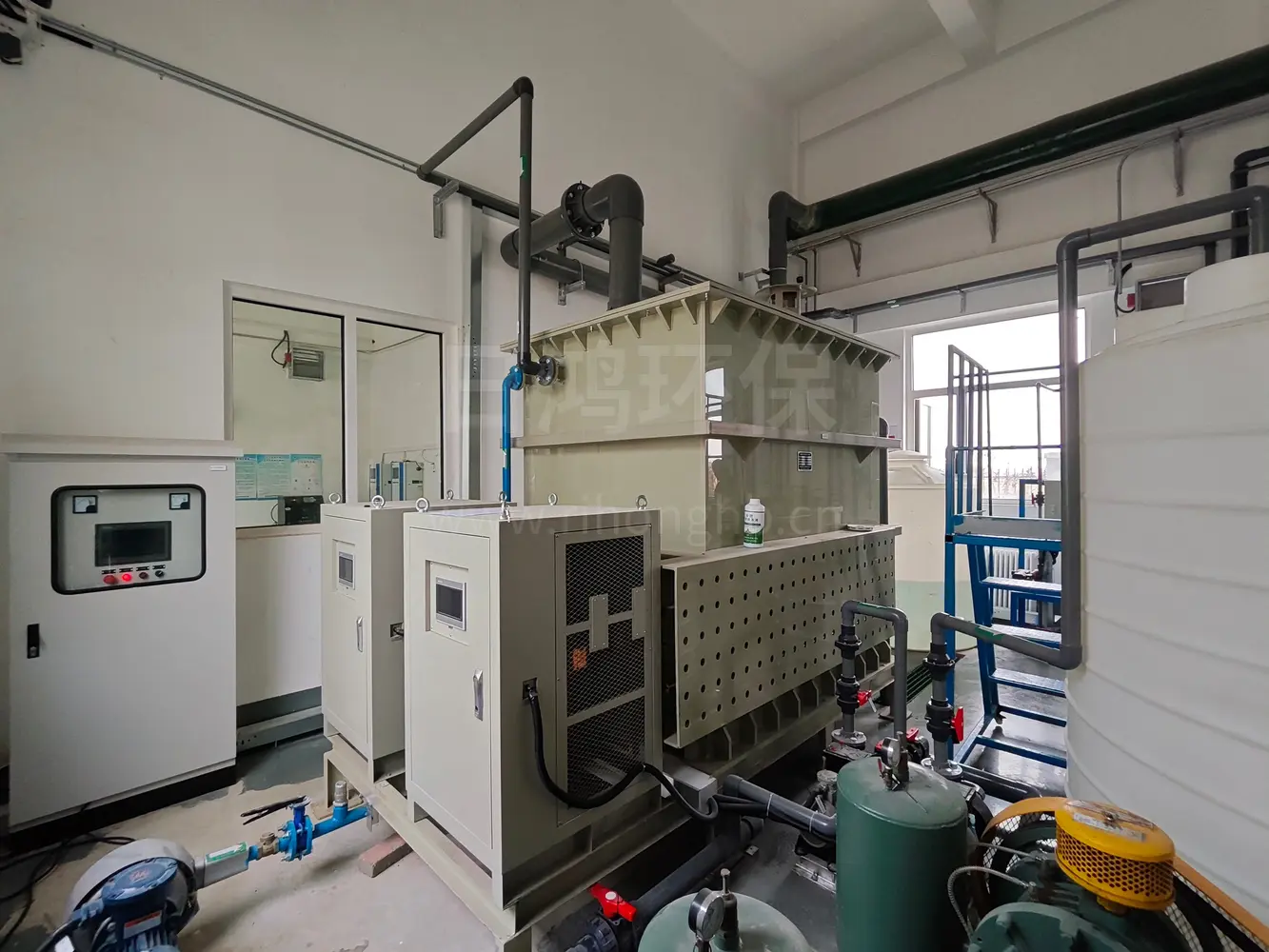
Electrocoagulation DAF Unit
Faced with complex wastewater from electroplating, printing and dyeing, petrochemical, landfill leachate and other industries—characterized by high salinity, high turbidity, oil content and poor biodegradability—traditional chemical coagulation often falls into the dilemma of high chemical consumption, large sludge volume and unstable compliance. Wushi Environmental officially launches the Electrocoagulation-Dissolved Air Flotation Integrated Unit (EC-DAF), which integrates electrolytic coagulation, electroflotation and free radical oxidation into a single unit. With no or only a small amount of chemical dosing, it simultaneously achieves coagulation, flotation separation and partial oxidative degradation, providing a cleaner and more compact technical route for the pretreatment and advanced treatment of difficult wastewater.
Boron-Doped Diamond (BDD) Electrode
Facing complex wastewater from pharmaceuticals, pesticides, dyes, and landfill leachate—characterized by "high toxicity, high salinity, and poor biodegradability"—traditional biological treatment and conventional Fenton often struggle with slow degradation, secondary sludge production, and high costs. Boron-Doped Diamond (BDD) electrodes, with their extremely wide electrochemical potential window and ultra-high oxygen evolution overpotential, in-situ enrich strong oxidizing species such as hydroxyl radicals, active chlorine, persulfate, and even ozone on the anode surface, directly "mineralizing" organic matter into carbon dioxide and water—making them the core electrode consumable for electrocatalytic oxidation (ECO) equipment to achieve deep purification.
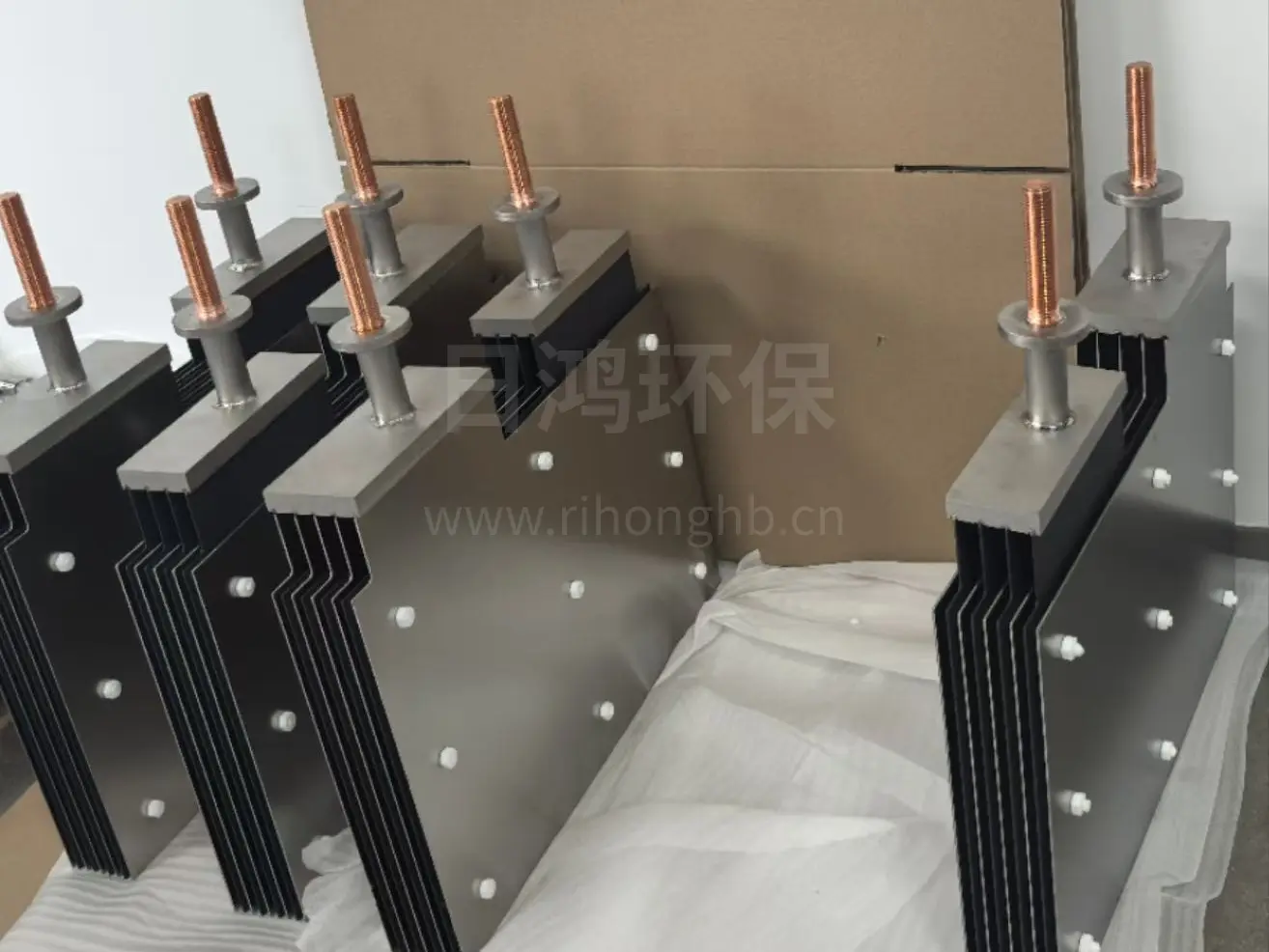
Titanium Anodes for Wastewater Treatment
The performance of electrochemical water treatment processes such as electrocatalytic oxidation, electrolytic chlorine disinfection, and electro-Fenton fundamentally depends on the electrode. Traditional soluble anodes (such as aluminum and iron) are consumed quickly, require frequent electrode replacement, and introduce additional metal ions into the water. This product is a Dimensionally Stable Anode (DSA) made with industrial pure titanium as the substrate and a noble metal oxide active layer coated on the surface. It is insoluble, long-lasting, and has tunable catalytic properties, making it the "heart" component for long-term stable operation of electrochemical wastewater treatment equipment.