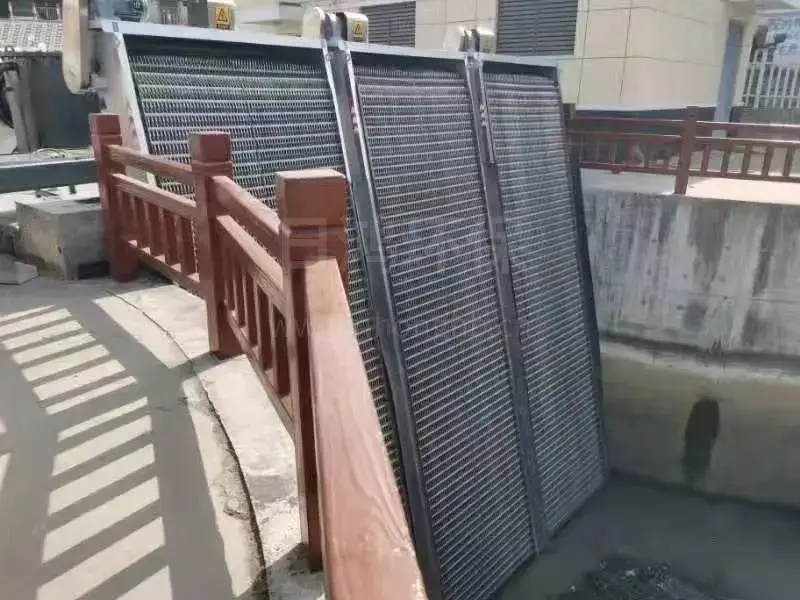
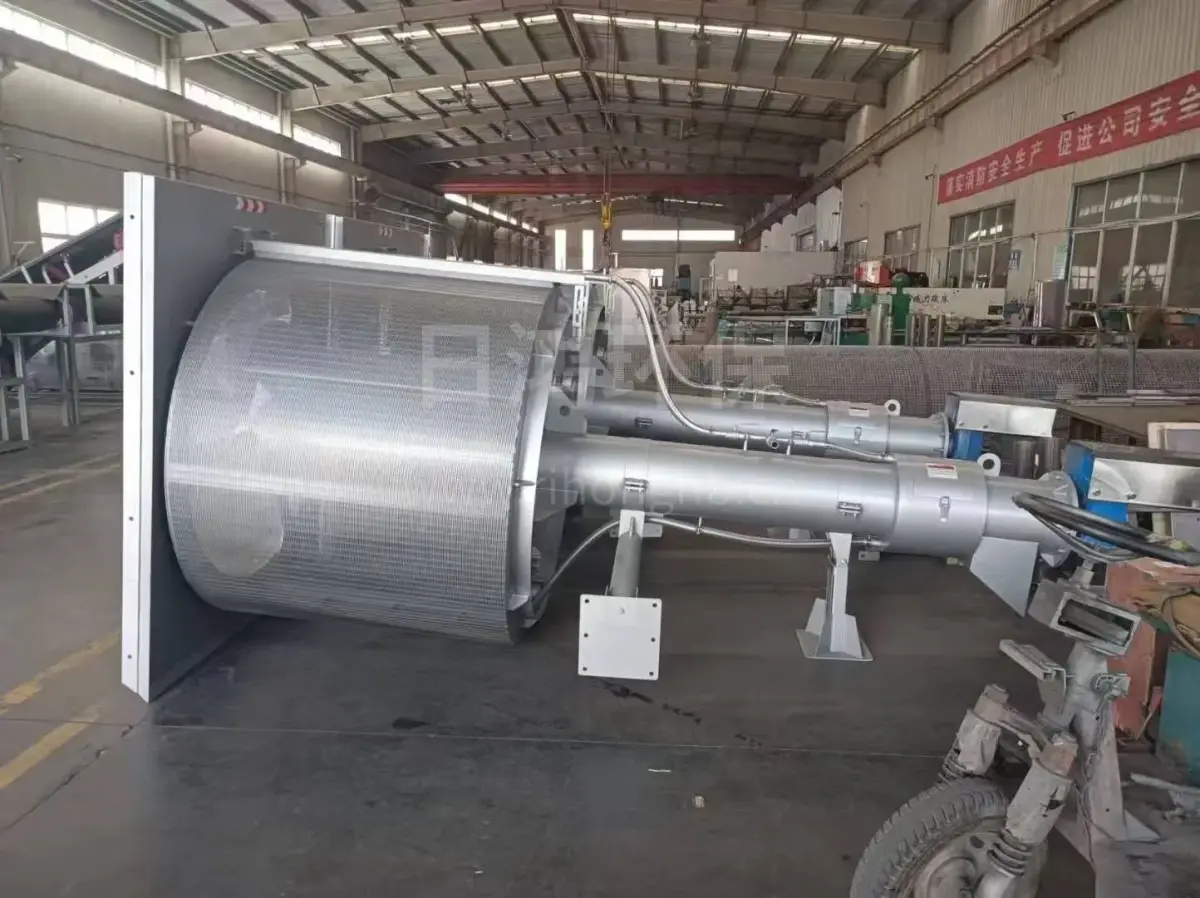
Rotating Drum Screen
Municipal wastewater treatment plants, pumping stations, and industrial wastewater intakes often carry large amounts of floating debris, fibers, fine suspended solids, and screenings. If not intercepted upfront, these materials can wrap around pump impellers, clog pipes and valves, accelerate wear on downstream equipment, and even cause shutdowns. Traditional manual screens require frequent raking, are labor-intensive, and create poor working conditions. The Rihong Environmental Rotating Drum Screen uses a continuous working method of "rotating drum + fine screen interception + integrated backwash/scraper cleaning" to automatically retain and remove screenings for offsite disposal. It is the "first line of defense" in wastewater pretreatment that protects downstream equipment.
I. Product Positioning
The Rotating Drum Screen is a type of rotary fine screen screening equipment: wastewater enters from one end or the side of the drum, passes through the rotating screen mesh/bar drum, and suspended solids and screenings are retained on the inner surface of the drum. As the drum rotates to the top, they are automatically removed by wash water/scrapers and fall into a screenings collection trough for offsite transport. By structure, it can be divided into internal-inflow and external-inflow types. The screen gap is typically 0.5–10 mm. The main body is made of 304/316L stainless steel or anti-corrosion carbon steel, offering corrosion resistance and long service life. It is a standard configuration for intake pump rooms, water intake points, and advanced treatment pre-screening.
II. Working Principle (Brief)
The Rihong Environmental Rotating Drum Screen is based on "continuous rotation + fine mesh interception + self-cleaning," operating automatically throughout the process without manual raking:
Influent enters the drum: Raw water enters evenly from the inlet end of the drum (internal-inflow type) or washes against the drum surface (external-inflow type) at a stable flow rate.
Rotating drum interception: The screen mesh/bar drum rotates slowly; water passes through and exits the drum, while floating debris, fibers, and fine suspended solids are retained on the drum surface.
Screenings attachment and lifting: The retained screenings are carried away from the water surface as the drum rotates, gradually transported to the top.
Backwash/scraper cleaning: Upon reaching the top, high-pressure wash water backwashes or scrapers remove the screenings, which fall into a collection trough/conveying screw.
Screened water discharge: Clean water passing through the drum surface collects from outside/behind the drum into the subsequent channel with minimal head loss.
Screenings conveyance and offsite disposal: Collected screenings are dewatered and volume-reduced by a screw press/conveyor before offsite disposal, with the entire process enclosed and environmentally friendly.
Key process point: Interception and cleaning are completed continuously within the same rotation cycle, which is the key difference between "fine screening + self-cleaning" and static screens.
III. Six Core Advantages
High fine screening interception precision Screen gap of 0.5–10 mm is customizable, with significantly better retention of fibers, hair, and fine suspended solids than medium or coarse screens.
Continuous automatic cleaning Rotation + backwash/scraper self-cleaning eliminates manual raking, providing a clean operating environment and low labor requirements.
Low head loss The drum has a large flow area and low resistance, with minimal impact on channel water levels and significant energy savings.
Compact structure and small footprint Integrates inflow, interception, cleaning, and conveyance, saving space compared to traditional platform-type screens.
Corrosion-resistant materials 304/316L stainless steel or anti-corrosion carbon steel main body adapts to highly corrosive wastewater environments with long service life.
Stable operation and low maintenance Simple transmission, low speed, equipped with PLC automatic control; routine inspection only is needed.
IV. Main Technical Parameters (Typical Range Reference)
Item | Typical Range / Description |
|---|---|
Screen gap | 0.5–10 mm (mainly fine screens, customizable on demand) |
Drum diameter | Typically 0.6–3.0 m (determined by flow rate and screen gap) |
Treatment capacity | Tens to tens of thousands of m³/d (multiple units can be installed in parallel) |
Drum rotation speed | 1–5 r/min (low-speed rotation) |
Installation type | Internal-inflow / external-inflow; in-channel or out-of-channel installation |
Drive power | 0.37–2.2 kW (depending on drum size) |
Wash water pressure | 0.3–0.6 MPa (for backwash self-cleaning) |
Interception efficiency | High-efficiency interception of floating debris/fibers (depending on screen gap and water quality; typical range reference) |
Main body material | 304 / 316L stainless steel, anti-corrosion carbon steel |
Operation control | PLC automatic (level difference/timer), local/remote optional |
Note: The above are typical range references. Actual screen gap, drum size, and flow rate must be designed and determined based on influent water quality, floating debris content, and channel conditions.
V. Typical Application Scenarios
Industry / Scenario | Main Application |
|---|---|
Municipal WWTP intake pump room | Fine screening of plant influent to protect pumps and downstream equipment |
Water intake pumping station / water treatment plant | Intercepting aquatic plants and floating debris at intake points to ensure water intake safety |
Industrial wastewater pretreatment | Intercepting fibers, debris, and suspended solids to reduce downstream load |
Advanced treatment / MBR pre-screening | Fine interception of hair and fibers to prevent membrane fouling |
Combined sewer overflow / storage tanks | Intercepting floating debris and trash carried by rainfall |
Food / slaughterhouse wastewater | Intercepting organic debris such as meat fragments, hair, and residues |
River / landscape water intake | Intercepting aquatic plants and floating debris to protect intake and circulation systems |
VI. Applicable Boundaries and Selection Recommendations
Applicable boundaries: The rotating drum screen is a physical interception device that only removes floating debris, fibers, and screenings-level suspended solids. It is ineffective for dissolved pollutants, colloids, and fine particles. Screenings must be supported by conveyance/pressing and offsite disposal. When the influent is dominated by "inorganic grit that settles at the bottom," a grit-water separator should be used to handle the settled grit rather than relying solely on the screen.
Selection recommendations: ① Select screen gap based on downstream equipment tolerance and water quality: 0.5–1 mm fine screen for MBR pre-screening, 3–10 mm for ordinary pump rooms. ② For high floating debris and long fibers, prioritize internal-inflow type; for shallow channels with large water level fluctuations, choose external-inflow type. ③ The mechanism differs from inclined screens (static gravity coarse screening, unpowered) and microfilters (10–200 μm rotary fine microfiltration): the rotating drum screen focuses on "automatic interception of screenings," with precision between the two and emphasis on self-cleaning and screenings handling. ④ For northern projects, pay attention to freeze protection of wash water in winter and equipment insulation.
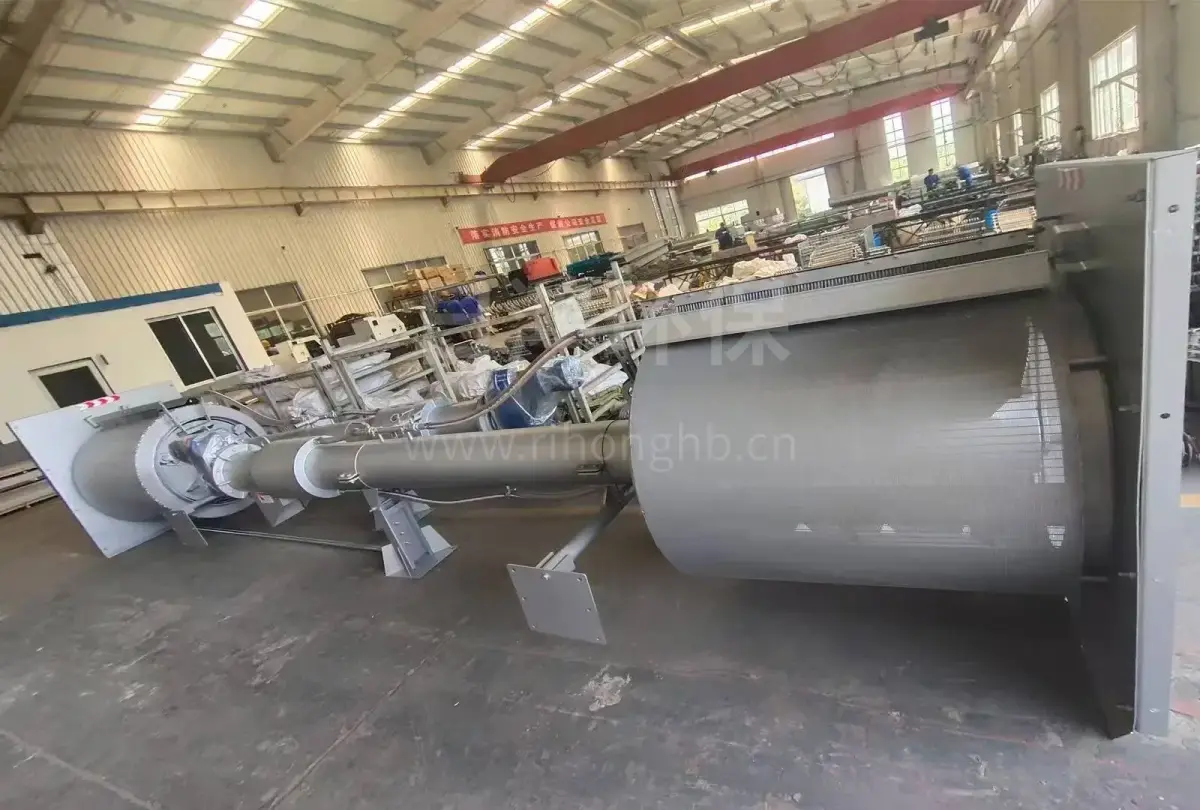
Product Images
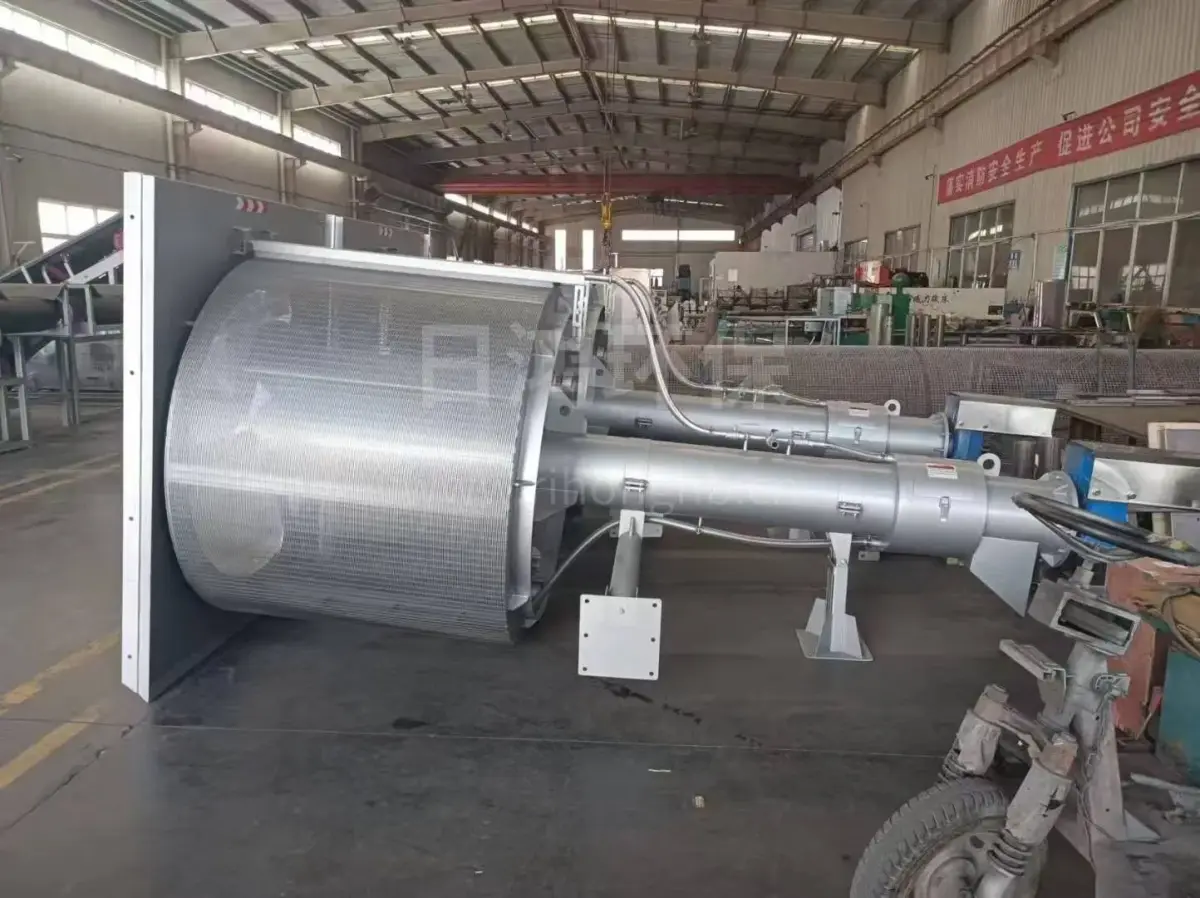
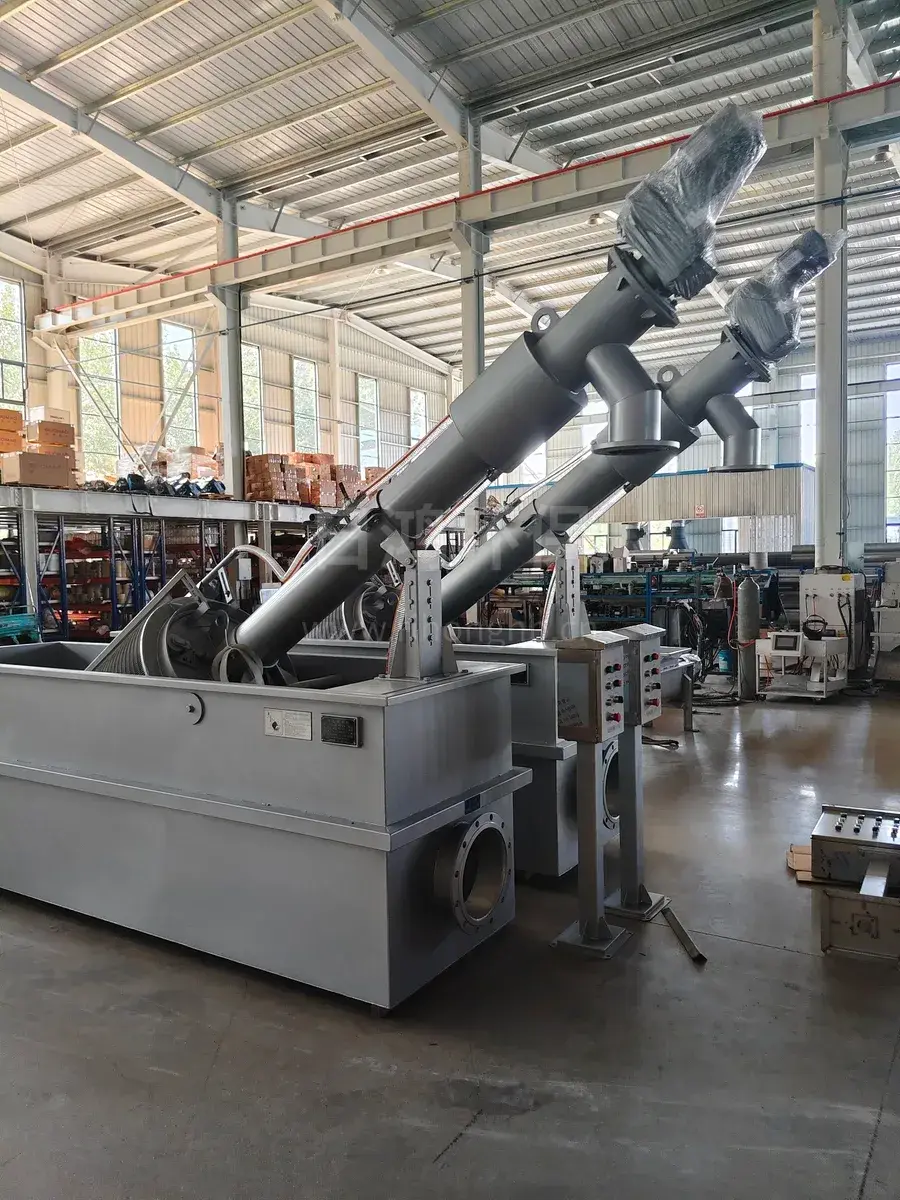
FAQ
How much does this equipment cost?
The price varies by treatment capacity, water quality, materials and configuration, so a custom quote is provided based on your actual conditions. We offer free water testing and solution design, with a detailed quote within 1 working day after requirements are confirmed.
What treatment capacity is available? Can it be customized?
Capacity is fully customizable, ranging from tens to thousands of tons per day (e.g. 0.5–30 m³/h), with non-standard design support matched precisely to your inlet/outlet requirements.
How long does delivery take?
Standard equipment typically takes about 2–4 weeks to produce; custom projects depend on scale and process. The delivery date is confirmed at contract signing, with design, manufacturing and shipping progressing on schedule.
Is installation and commissioning included?
Yes. We provide installation, system commissioning, operator training and environmental acceptance assistance, as well as long-term managed operation services on request.
What about after-sales and warranty?
We provide a warranty period and a 24/7 technical hotline, with free repair for non-human faults during the warranty period, plus spare parts supply and regular inspection services.
The First Line of Defense for Downstream Equipment
Rihong Environmental provides one-stop design and supply of rotating drum screens, from screen gap selection, drum size, and installation type to supporting conveyance and pressing equipment. We can also combine grit-water separators, microfilters, and other equipment to form a complete pretreatment line. Welcome to contact us for a customized technical solution and quotation.
Contact Us Now →