Modular Integrated Wastewater Treatment Equipment
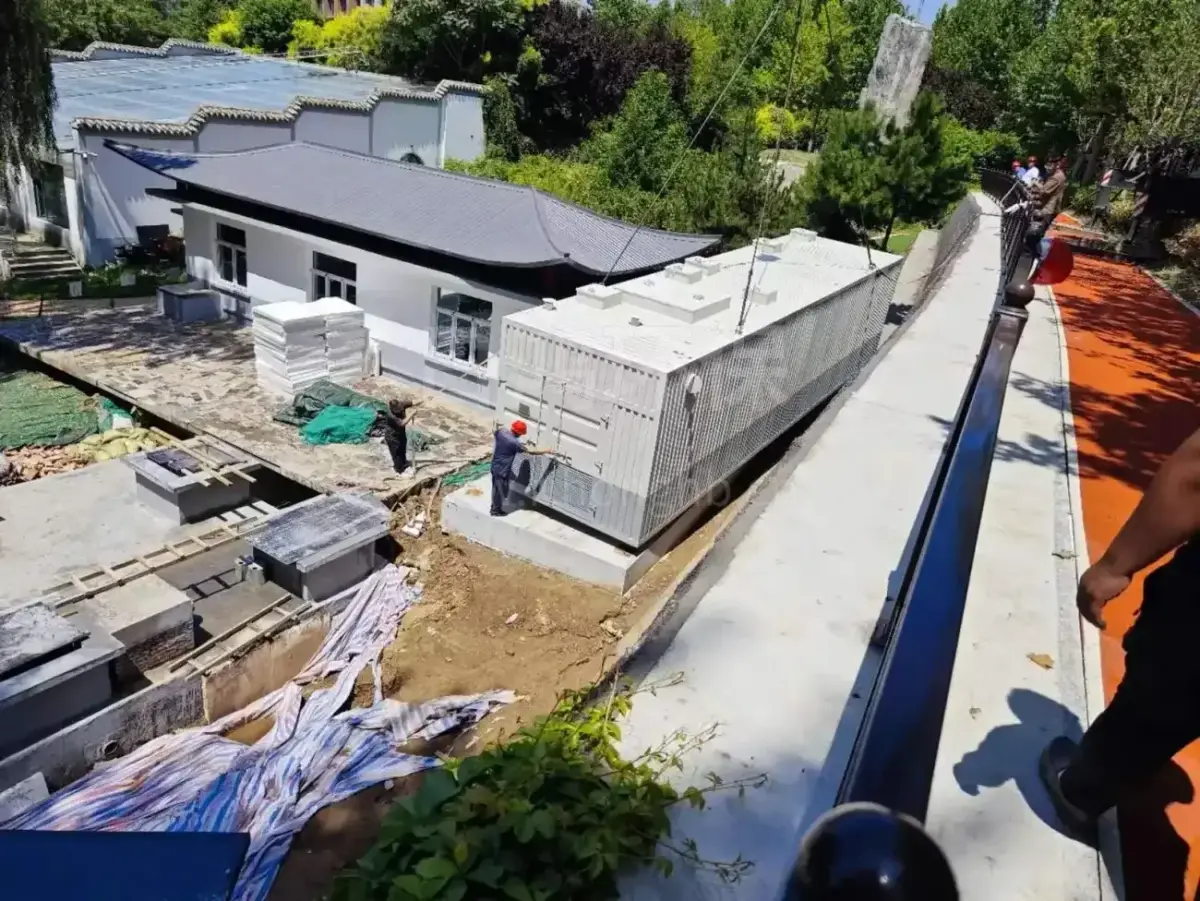
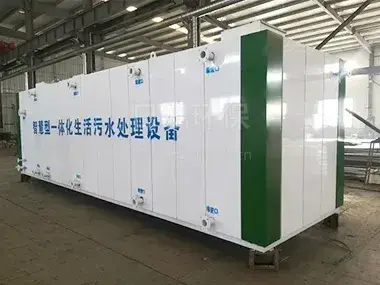
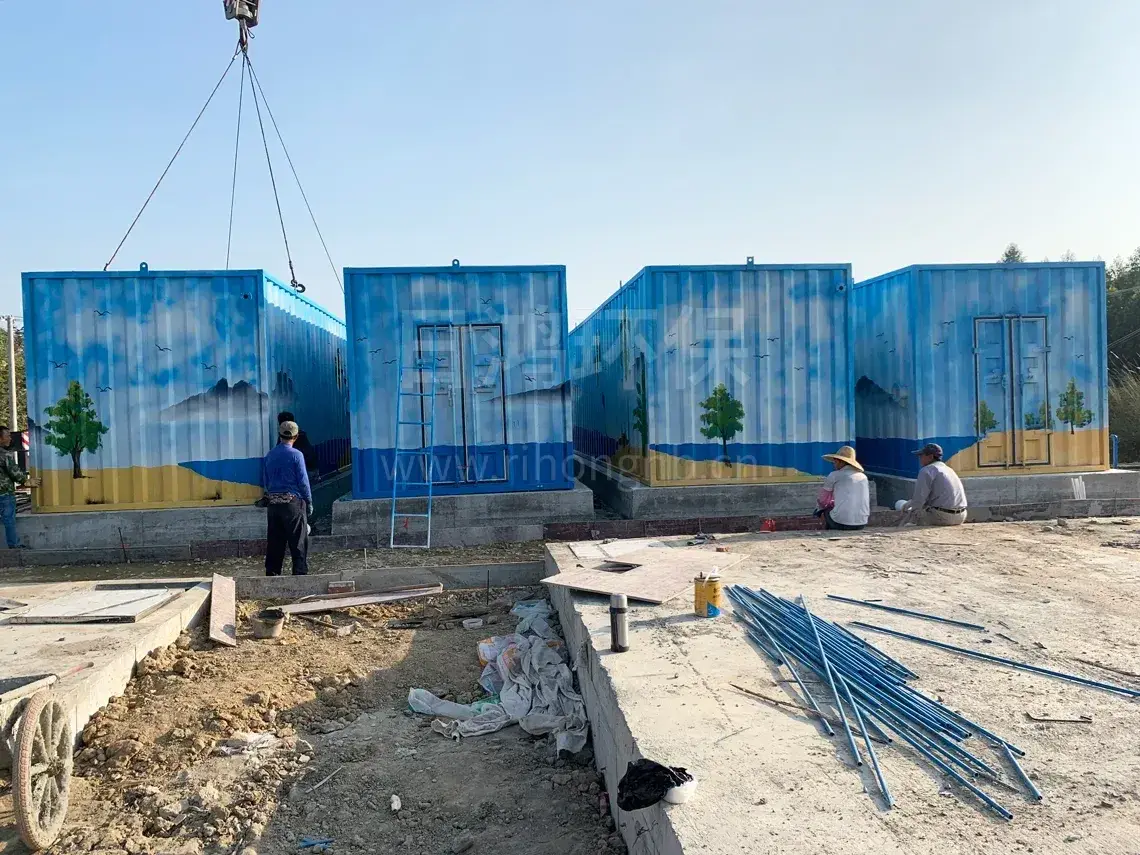
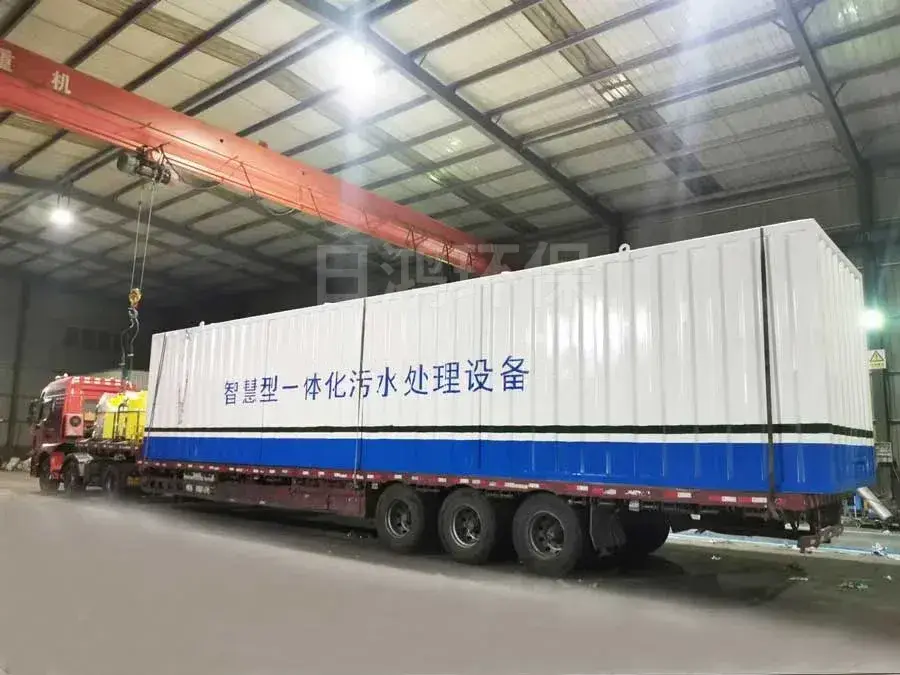
Decentralized point sources such as rural towns, homestay scenic areas, highway service areas, and camp schools often face the dilemma of "small water volume, scattered distribution, difficult pipe network access, and lack of professional operation and maintenance." Wushi Environmental Protection has launched modular integrated wastewater treatment equipment, which integrates units such as screens, equalization, biochemical treatment, sedimentation (or MBR membrane separation), and disinfection into factory-prefabricated steel structure tanks. On-site lifting allows immediate connection and use. With compact footprint and intelligent operation, it stably achieves multiple discharge standards such as Grade 1A / quasi-Class IV, making it an efficient solution for decentralized treatment of domestic sewage with small to medium water volumes and similar water quality.
I. Product Positioning
Modular integrated wastewater treatment equipment is a factory-prefabricated, integrated wastewater treatment device, typically using mature processes such as A/O, A²/O, or MBR, integrating multiple treatment units into a single tank, and can be arranged underground or above ground. The equipment takes "modularity" as its core concept—a single unit covers conventional treatment scale, and multiple units in parallel can flexibly expand capacity, adapting to decentralized treatment needs from a few tons to hundreds of tons per day; it comes standard with a PLC automatic control system, supporting remote monitoring and unattended operation.
II. Working Principle (Brief)
Screening / Equalization: Influent passes through screens to intercept floating matter and large particles, then enters the equalization zone to balance water quality and quantity, buffering hydraulic shocks.
Anaerobic / Anoxic Zone (A): Under anoxic conditions, denitrifying bacteria use carbon sources to remove nitrate nitrogen, and phosphorus-accumulating organisms release phosphorus, laying the foundation for nitrogen and phosphorus removal.
Aerobic Zone (O): Through aeration for oxygen supply, aerobic microorganisms degrade organic matter, nitrify ammonia nitrogen, and excessively absorb phosphorus, making it the main unit for pollutant removal.
Sedimentation / Membrane Separation: Using inclined tube sedimentation or MBR ultrafiltration for sludge-water separation, the suspended solids and turbidity of clarified water (or membrane permeate) are significantly reduced.
Disinfection and Effluent: After disinfection with sodium hypochlorite, chlorine dioxide, or ultraviolet light, the effluent is discharged to standards or reused (landscaping, toilet flushing, etc.).
Sludge Return: Part of the activated sludge is returned to the front section to maintain biomass, and excess sludge is periodically discharged for dewatering and disposal.
Process flow: Influent → Screening/Equalization → Anaerobic/Anoxic → Aerobic → Sedimentation/MBR Separation → Disinfection → Standard-compliant Effluent (Sludge Return)
Its essence is to "condense" a traditional wastewater treatment plant into a single tank: through reasonable flow channel and zone design, the entire process of carbon removal, nitrogen removal, phosphorus removal, clarification, and disinfection is completed within a limited volume; the MBR process replaces the secondary clarifier with membrane separation, resulting in better effluent quality and smaller footprint.
III. Core Advantages
① Integrated and Compact, Small FootprintMultiple units are integrated into a tank; underground type does not occupy surface space, suitable for land-constrained scenarios.
② Factory Prefabricated, Short Construction PeriodOn-site only requires lifting and pipe connection, greatly shortening the construction cycle compared to civil construction.
③ Optional Processes, Stable ComplianceA/O, A²/O, MBR flexibly selected to meet different standards such as Grade B / Grade A / quasi-Class IV.
④ Intelligent Control, Minimal StaffingPLC + remote monitoring, automatic adjustment of operating parameters, reducing dependence on dedicated operation and maintenance.
⑤ Modular Expansion, High FlexibilityMultiple units in parallel can increase capacity, coping with water volume fluctuations and phased construction.
⑥ Low Noise and Odor, Environmentally FriendlyEnclosed tank + odor removal design, minimal impact on surroundings, suitable for scenic areas and residential areas.
IV. Main Technical Parameters (Reference Range)
Item | Parameter Range / Description | Remarks |
|---|---|---|
Single Unit Treatment Capacity | Approx. 0.5 – 500 m³/d (expandable by parallel connection) | Depends on model |
Optional Processes | A/O, A²/O, MBR, etc. | Selected by standard |
Effluent Standard | Grade B / Grade A / quasi-Class IV / Reuse | Per project requirements |
COD Removal Rate | Approx. 80% – 90%+ | Depends on water quality |
Ammonia Nitrogen (NH₃-N) Removal Rate | Approx. 80% – 95% | Aerobic nitrification |
Total Phosphorus (TP) Removal Rate | Approx. 70% – 90% | Biological + chemical phosphorus removal |
SS Removal Rate | Over 90% (better with MBR) | Sedimentation/membrane separation |
Power Consumption per Ton of Water | Approx. 0.3 – 1.0 kWh/m³ | Varies with process and scale |
Arrangement | Underground / Above ground | Adapt to local conditions |
* The above are typical reference ranges. Actual removal performance is affected by raw water quality, process selection, water temperature, and operation management. Specific values should be determined by design calculation and on-site commissioning.
V. Typical Application Scenarios
Scenario | Adaptation Description |
|---|---|
Rural / Village and Town Wastewater | Centralized treatment of domestic sewage from scattered households and towns |
Homestay / Farmhouse / Scenic Area | Domestic sewage in tourist areas, with high requirements for low noise and odor |
Highway Service Area / Gas Station | Point sources with scattered sites and large water volume fluctuations |
Military Camp / Border Post | Unmanned/minimally staffed, requiring remote control |
Residential Community / School / Hospital Domestic Sewage | Small to medium domestic sewage to meet standards or for reuse |
Temporary Construction Site / Exhibition Camp | Movable, reusable, short construction period |
River / Black-Odor Water Bypass | Bypass purification, reducing pollution load entering the river |
VI. Selection Recommendations
Modular integrated equipment is suitable for decentralized, small to medium volume domestic sewage and organic wastewater with similar water quality; industrial wastewater requires prior assessment of biodegradability and inhibitors. In low-temperature areas, MBR or enhanced insulation is recommended to ensure nitrification performance; site selection should reserve space for lifting and maintenance, and consider the final destination of effluent. Although the equipment is highly automated, it is still recommended to establish regular inspection and chemical (phosphorus removal, disinfection) replenishment mechanisms to ensure long-term stable compliance.
Product Images
FAQ
How much does this equipment cost?
The price varies by treatment capacity, water quality, materials and configuration, so a custom quote is provided based on your actual conditions. We offer free water testing and solution design, with a detailed quote within 1 working day after requirements are confirmed.
What treatment capacity is available? Can it be customized?
Capacity is fully customizable, ranging from tens to thousands of tons per day (e.g. 0.5–30 m³/h), with non-standard design support matched precisely to your inlet/outlet requirements.
How long does delivery take?
Standard equipment typically takes about 2–4 weeks to produce; custom projects depend on scale and process. The delivery date is confirmed at contract signing, with design, manufacturing and shipping progressing on schedule.
Is installation and commissioning included?
Yes. We provide installation, system commissioning, operator training and environmental acceptance assistance, as well as long-term managed operation services on request.
What about after-sales and warranty?
We provide a warranty period and a 24/7 technical hotline, with free repair for non-human faults during the warranty period, plus spare parts supply and regular inspection services.
One Wastewater Source, One Unit Solves It
We can provide solutions for water quality adaptation, process selection, equipment layout, and remote monitoring. Welcome to call or leave a message to obtain configuration recommendations for your site scale and discharge standards.
Contact Us Now →Related Products
FRP Underground Wastewater Treatment Equipment
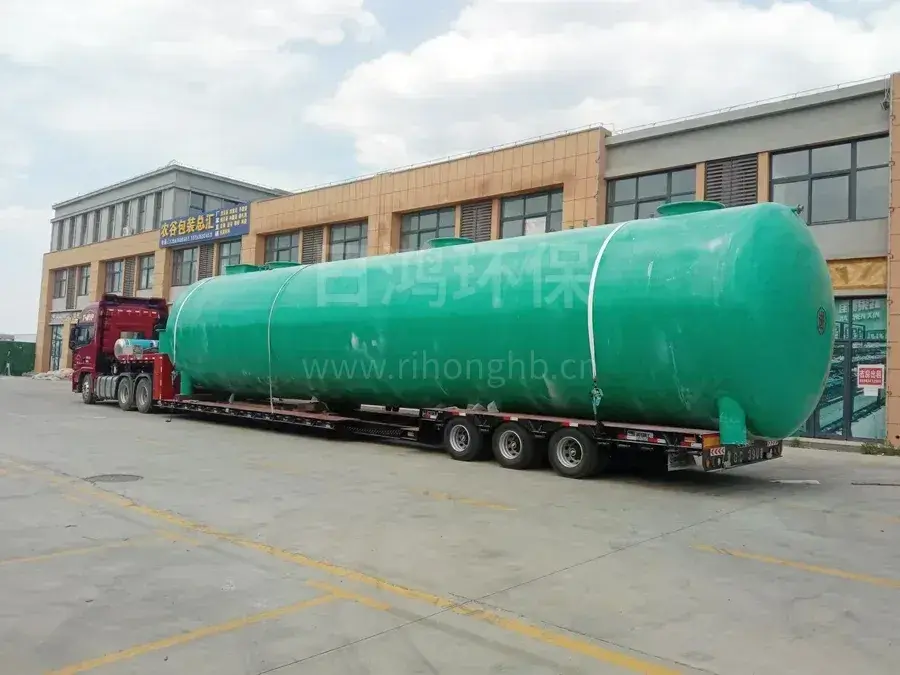
In rural areas, residential communities, homestay scenic spots, and similar locations, surface space is precious and landscape requirements are high. Traditional above-ground equipment often occupies conspicuous space, is prone to freezing in winter, and affects environmental aesthetics. Wushi Environmental Protection introduces FRP (glass fiber reinforced plastic) underground wastewater treatment equipment, which uses corrosion-resistant, lightweight, and long-life FRP tanks to carry integrated processes such as A/O, A²/O, or MBR, fully arranged underground—the ground can be restored to greenery or parking, while underground it stably completes decarbonization, denitrification, phosphorus removal, and disinfection. It is an ideal choice for "invisible compliance" of decentralized domestic wastewater.
Johkasou
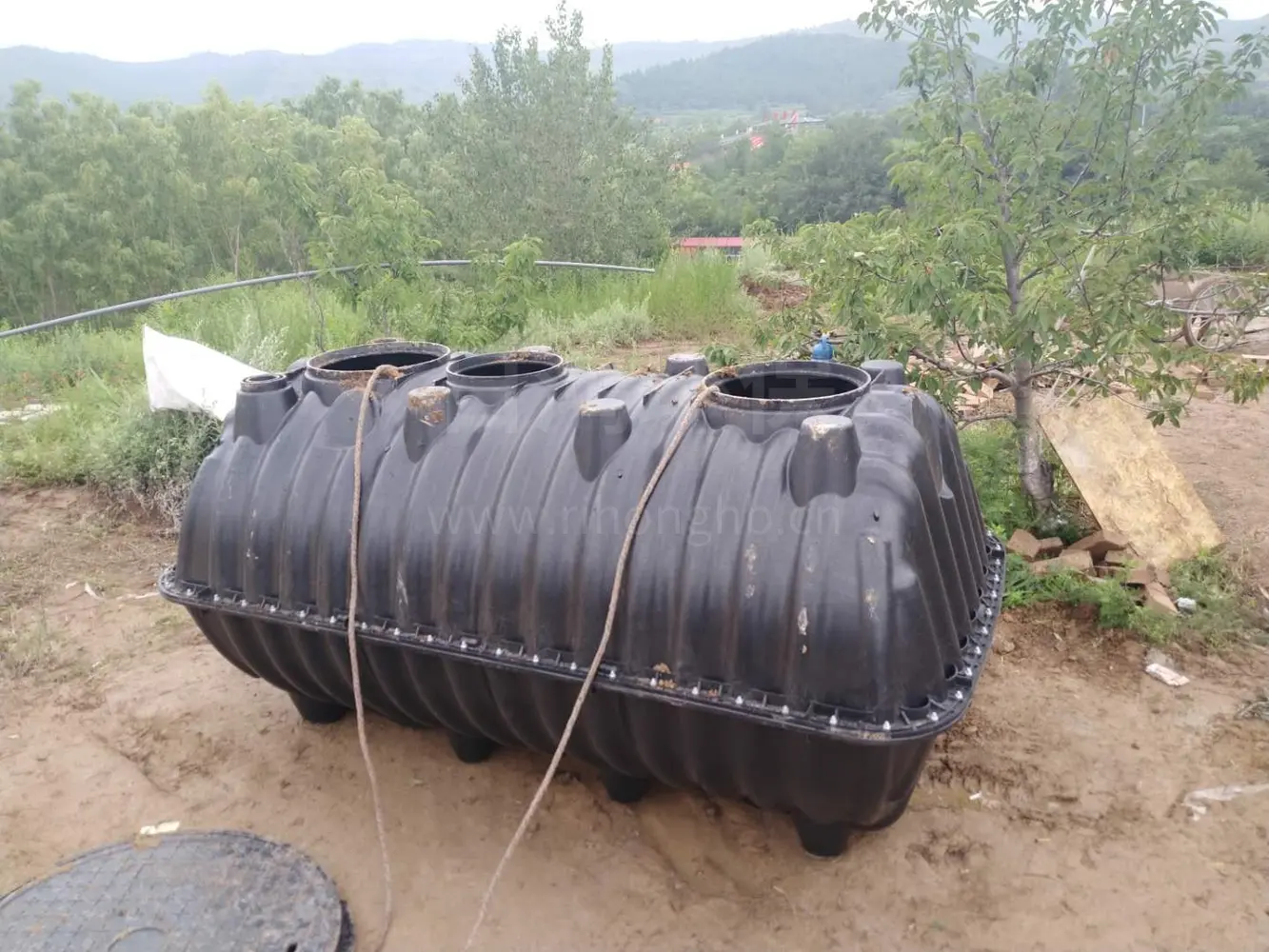
Rural single-household and small-settlement sewage is characterized by "many discharge points, small volumes, dispersed locations, and difficult pipe network coverage." Copying centralized sewage treatment plants often results in high investment, long pipelines, and difficult operation and maintenance. Wushi Environmental Protection has launched standardized Johkasou, adopting the mature contact aeration (biofilm) process, integrating primary sedimentation, contact aeration, final sedimentation, and disinfection into a single buried tank. Models are selected according to treatment population, for single households or shared by several households, with effluent stably meeting rural domestic sewage discharge standards. It is a mature and reliable choice for decentralized household sewage treatment.