Johkasou
Rural single-household and small-settlement sewage is characterized by "many discharge points, small volumes, dispersed locations, and difficult pipe network coverage." Copying centralized sewage treatment plants often results in high investment, long pipelines, and difficult operation and maintenance. Wushi Environmental Protection has launched standardized Johkasou, adopting the mature contact aeration (biofilm) process, integrating primary sedimentation, contact aeration, final sedimentation, and disinfection into a single buried tank. Models are selected according to treatment population, for single households or shared by several households, with effluent stably meeting rural domestic sewage discharge standards. It is a mature and reliable choice for decentralized household sewage treatment.
I. Product Positioning
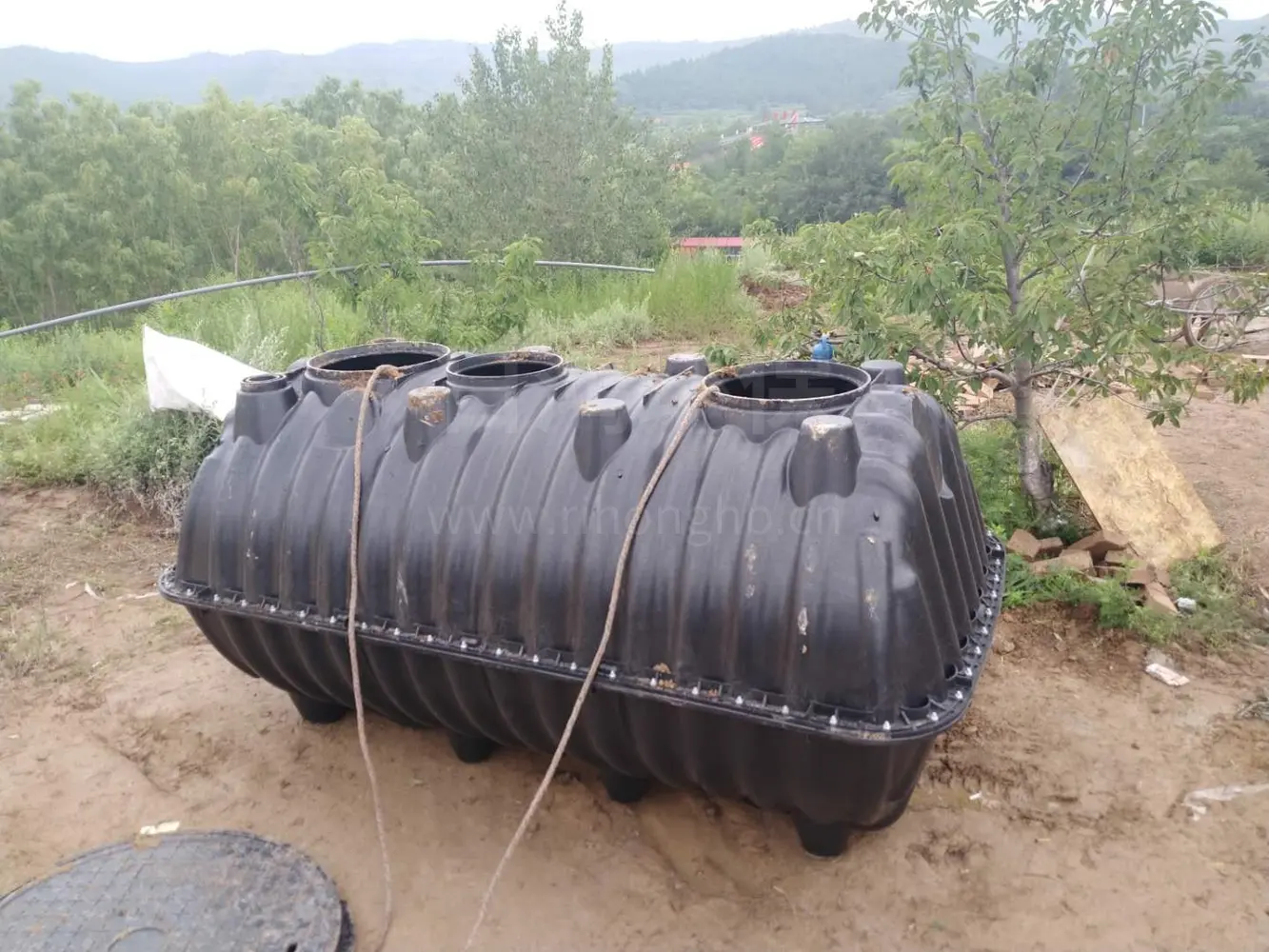
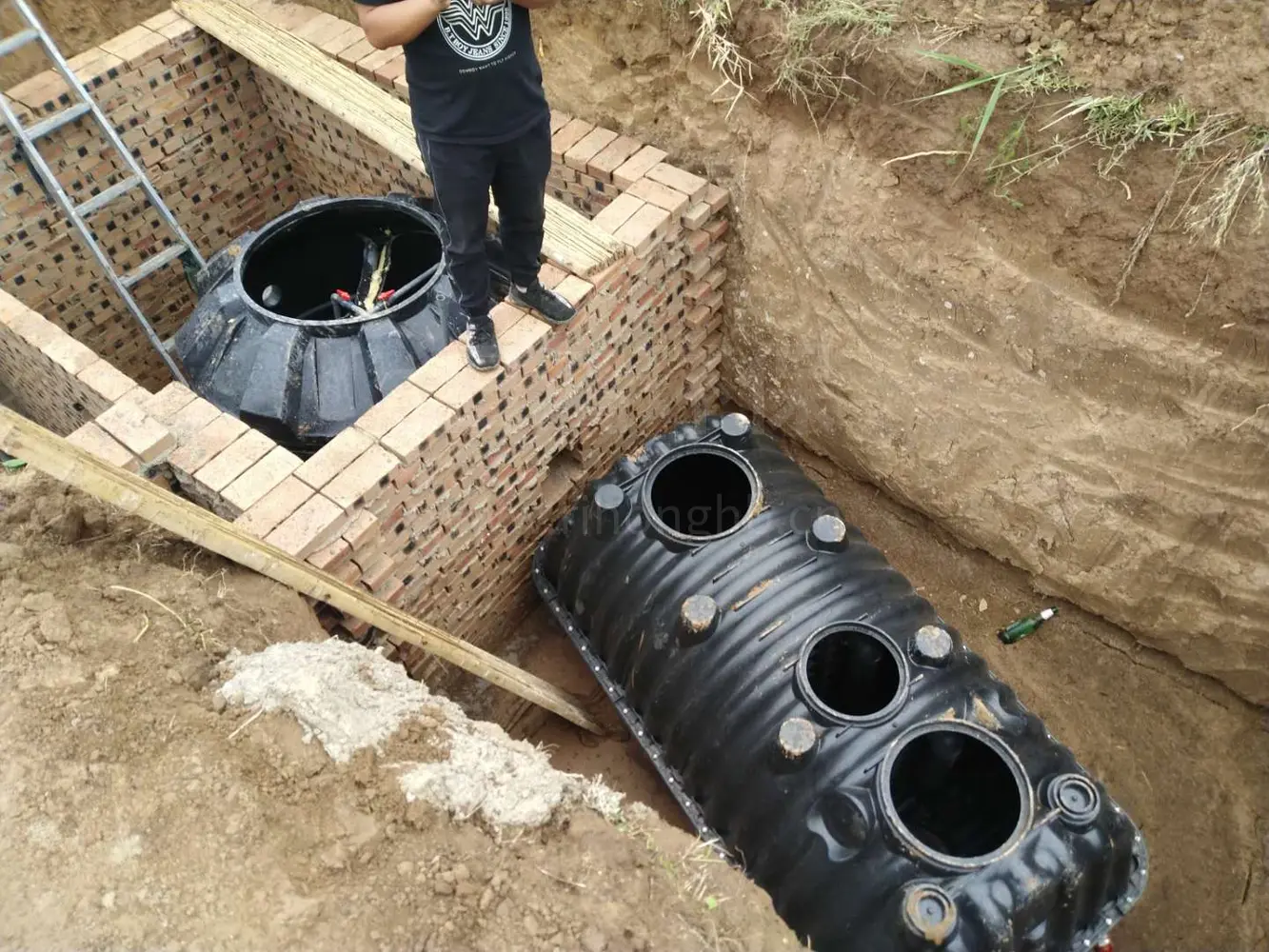
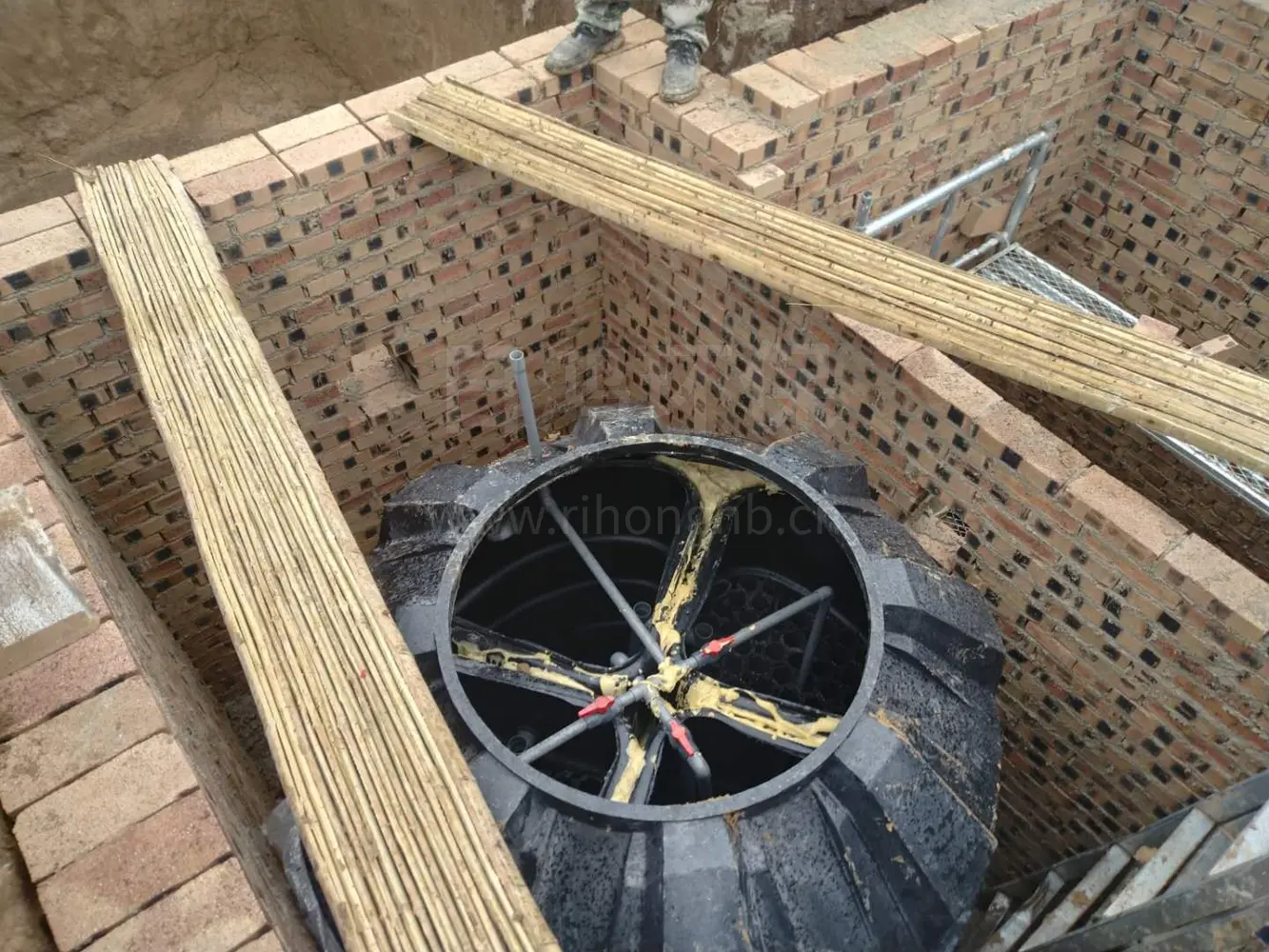
Johkasou is a standardized, modular, buried small-scale domestic sewage treatment device. Its main body adopts the contact aeration method (biofilm process): the primary sedimentation chamber intercepts suspended solids, the contact aeration chamber uses media for biofilm attachment to degrade pollutants, the final sedimentation chamber separates sludge from water, and the disinfection chamber kills pathogens. Models are selected by treatment population (5-person tank / 7-person tank / 10-person tank...), using FRP (fiberglass reinforced plastic) or PP (polypropylene) tank bodies. Factory-prefabricated, it can be connected and used immediately after on-site pit excavation and hoisting. It is especially suitable for dispersed residential points that cannot be covered by pipe networks, achieving "nearby sewage treatment, nearby compliance or reuse."
II. Working Principle (Brief)
Primary sedimentation chamber (pretreatment): intercepts hair, grit, and large suspended solids and performs initial sedimentation, reducing subsequent biochemical load and preventing contact media clogging.
Contact aeration chamber: built-in contact media (packing) supports biofilm attachment, aeration supplies oxygen, and aerobic microorganisms degrade BOD and complete ammonia nitrogen nitrification; the biofilm process produces less sludge and is impact-resistant.
Final sedimentation chamber: sludge-water separation, aged and detached biofilm and sludge settle at the bottom, and supernatant overflows to the disinfection chamber; part of the sludge is returned to the primary sedimentation chamber to maintain biomass.
Disinfection chamber: slow-release chlorine tablets (chlorine tablet agent) are dosed or a UV unit is used to kill pathogens, and effluent is discharged up to standard or reused nearby (irrigation / toilet flushing).
Process schematic: raw water → primary sedimentation chamber → contact aeration chamber (biofilm) → final sedimentation chamber → disinfection chamber → compliant effluent (advanced treatment models add denitrification / dephosphorization units before and after)
The four chambers operate continuously in the same buried tank, and the core is stable degradation of BOD and nitrification of ammonia nitrogen by aerobic biofilm. Standard tanks have strong BOD and SS removal, but limited total nitrogen and total phosphorus removal; for scenarios with strict TN and TP requirements, advanced treatment Johkasou or pre-/post-denitrification and dephosphorization units should be selected.
III. Core Advantages
① Standard process, stable effluentThe contact aeration biofilm process is mature and reliable, with high BOD / SS removal and resistance to water quality and quantity shocks.
② Small and buried, zero footprintCan be used by a single household, fully buried without occupying the courtyard; the surface can be greened, used for parking, or paved.
③ Factory prefabricated, quick installationFRP / PP tank bodies are factory-formed, and on-site pit excavation and hoisting allow immediate connection, with construction periods measured in days.
④ Low consumption and less sludge, worry-free O&MMicro-power aeration and low sludge production; routine operation only requires periodic desludging and replacement of the disinfection unit.
⑤ Model by population, flexible assemblyChoose 5 / 7 / 10-person tanks according to treatment population; multiple tanks in parallel can cover an entire village.
⑥ Nearby treatment, environmentally friendlySewage is purified on site and reused nearby (irrigation / toilet flushing), greatly saving pipeline and transport investment.
IV. Main Technical Parameters (Reference Range)
Item | Parameter Range / Description | Remarks |
|---|---|---|
Treatment scale | By treatment population 5 – 50 people (single tank); multiple tanks in parallel can expand capacity | Counted by "person tank," not by household |
Tank material | FRP fiberglass / PP polypropylene | Corrosion-resistant, leakage-resistant |
Core process | Primary sedimentation chamber + contact aeration chamber + final sedimentation chamber + disinfection chamber | Biofilm contact aeration process |
Hydraulic retention time | About 24 – 48 h | Varies with treatment population and standard |
Effluent standard | Rural domestic sewage discharge standard (Grade I / Grade II B, etc.) | According to local requirements |
BOD removal rate | About 90% or more (standard tank effluent BOD ≤ 20 mg/L) | Core strength |
SS removal rate | About 90% or more | Core strength |
Ammonia nitrogen removal rate | Partial nitrification about 50% – 80% (weak TN removal, lower at low temperature) | Non-denitrification type |
Total phosphorus removal rate | Standard tank about 10% – 30% (basically no phosphorus removal); advanced treatment type can reach 60% – 90% | Phosphorus removal requires advanced treatment type |
Power consumption per ton of water | About 0.3 – 0.8 kWh/m³ | Micro-power aeration type |
Design life | ≥ 15 – 20 years | Depends on material and maintenance |
* The above are typical reference ranges. Actual removal performance varies with raw water quality, treatment population selection, and operation and maintenance. Standard tanks mainly remove BOD / SS; strong TN / TP removal requires advanced treatment type or combined processes, and the specific design should be determined by design calculation and on-site commissioning.
V. Typical Application Scenarios
Scenario / Industry | Adaptation Description / Main Removal Target |
|---|---|
Rural single household / scattered households | On-site purification of household domestic sewage, no more direct discharge |
Natural villages / small settlements | Multiple tanks in parallel cover the whole village, no long-distance pipe network needed |
Farmhouse inns / homestays / rural tourism | Small flow, landscape-sensitive areas, buried installation does not damage the environment |
Highway service areas / maintenance stations | Compliant discharge of domestic sewage at dispersed stations |
Camps / outposts / temporary stations | Quick installation and use, can be relocated with missions |
Scenic area toilets / beside ecological public toilets | Nearby treatment and nearby reuse for toilet flushing / greening |
Schools / health centers and other small institutions | Stable compliance for low-concentration domestic sewage |
VI. Applicable Boundaries and Selection Recommendations
Johkasou is more suitable for domestic sewage mixed with greywater + blackwater, low concentration, and dispersed point sources. It is not economical for reuse scenarios containing large amounts of industrial wastewater, heavy restaurant grease, or strict TN / TP control. It is recommended to first separate flows or select advanced treatment type / combined processes. In alpine regions, deeper burial and tank insulation should be adopted for freeze resistance. Selection should be calculated according to treatment population and water use coefficient with reserved margin. During operation, sludge must be periodically desludged (transported for disposal) and the disinfection unit replaced on time to achieve long-term stable compliance.
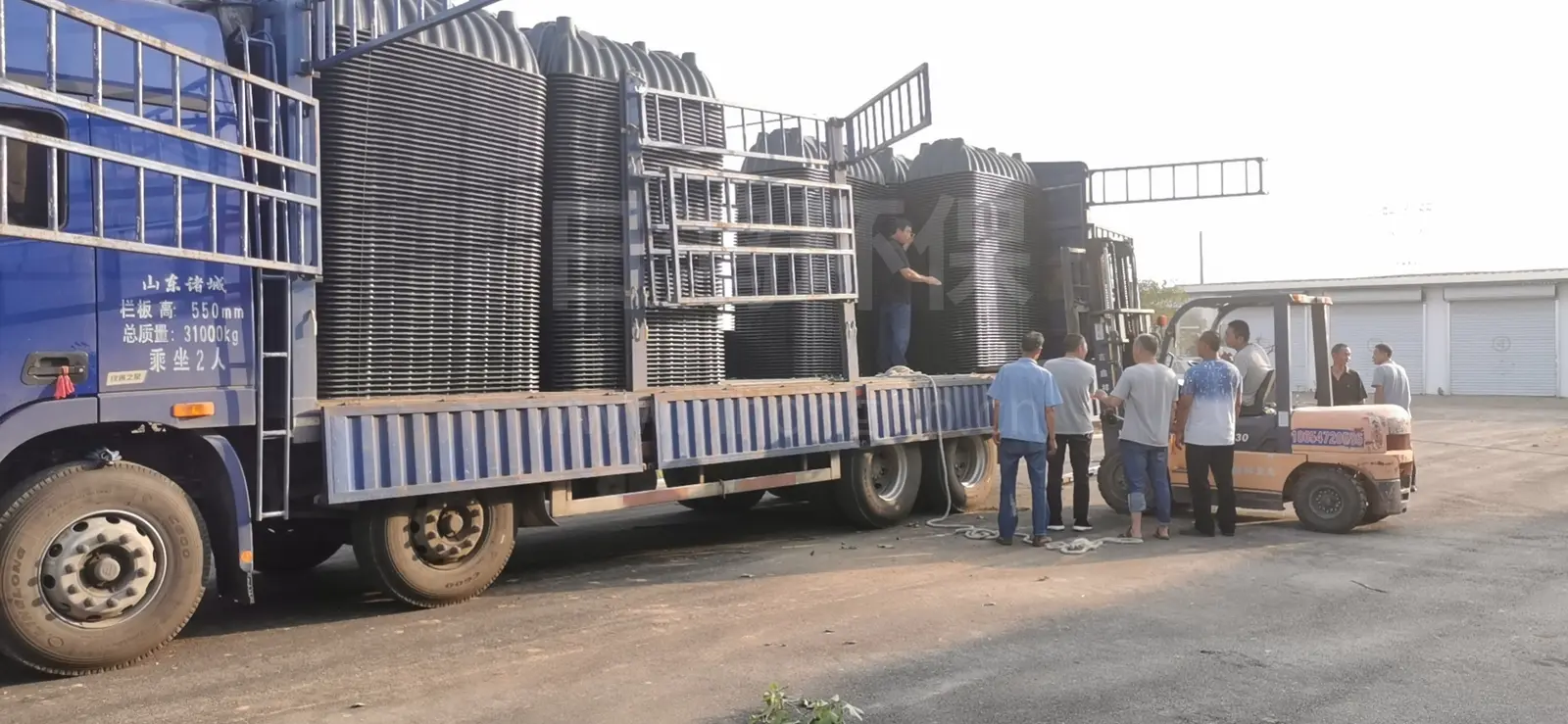
Product Images
FAQ
How much does this equipment cost?
The price varies by treatment capacity, water quality, materials and configuration, so a custom quote is provided based on your actual conditions. We offer free water testing and solution design, with a detailed quote within 1 working day after requirements are confirmed.
What treatment capacity is available? Can it be customized?
Capacity is fully customizable, ranging from tens to thousands of tons per day (e.g. 0.5–30 m³/h), with non-standard design support matched precisely to your inlet/outlet requirements.
How long does delivery take?
Standard equipment typically takes about 2–4 weeks to produce; custom projects depend on scale and process. The delivery date is confirmed at contract signing, with design, manufacturing and shipping progressing on schedule.
Is installation and commissioning included?
Yes. We provide installation, system commissioning, operator training and environmental acceptance assistance, as well as long-term managed operation services on request.
What about after-sales and warranty?
We provide a warranty period and a 24/7 technical hotline, with free repair for non-human faults during the warranty period, plus spare parts supply and regular inspection services.
Give every household's sewage a place to go
We can provide single-household / whole-village Johkasou selection, geotechnical survey and installation plans, and operation and maintenance guidance. Welcome to call or leave a message to obtain configuration suggestions for your village's conditions.
Contact Us Now →Related Products
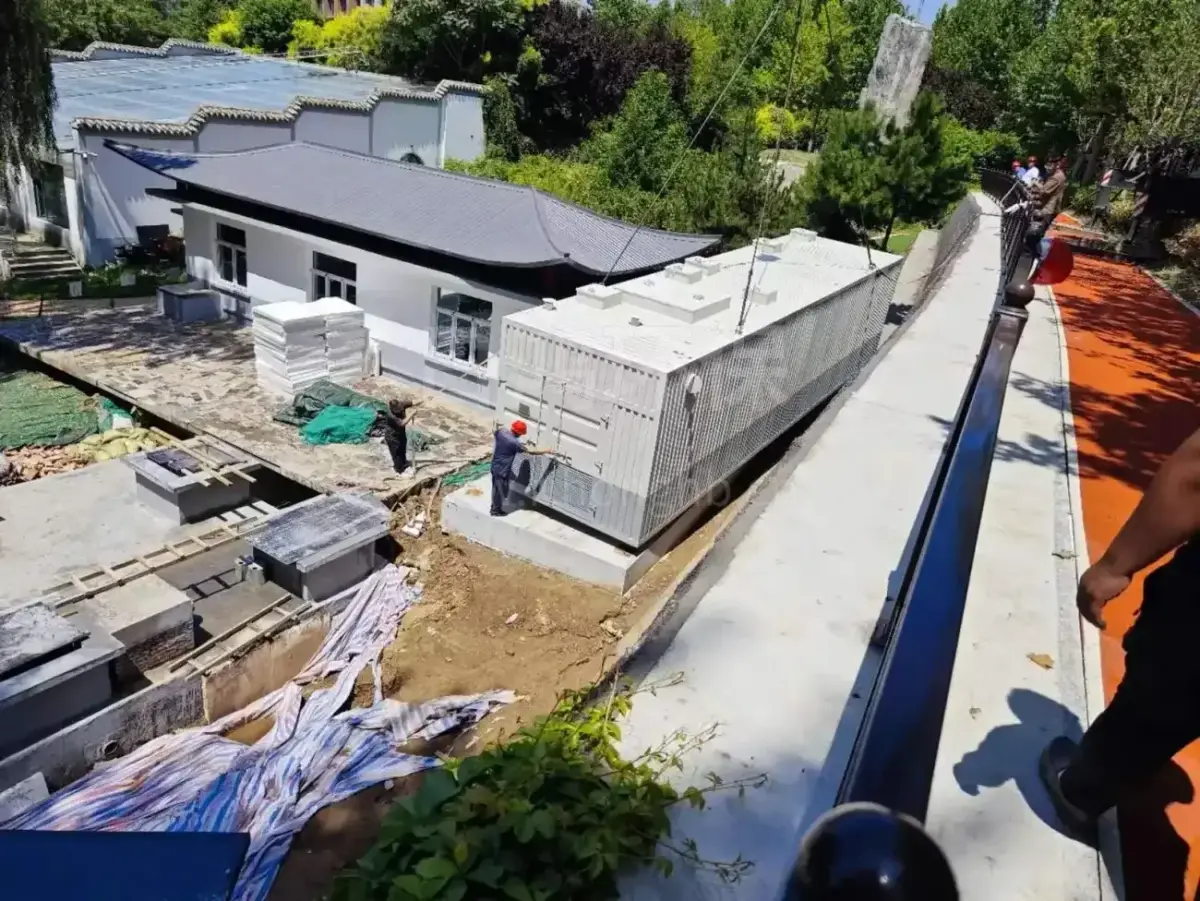
Modular Integrated Wastewater Treatment Equipment
Decentralized point sources such as rural towns, homestay scenic areas, highway service areas, and camp schools often face the dilemma of "small water volume, scattered distribution, difficult pipe network access, and lack of professional operation and maintenance." Wushi Environmental Protection has launched modular integrated wastewater treatment equipment, which integrates units such as screens, equalization, biochemical treatment, sedimentation (or MBR membrane separation), and disinfection into factory-prefabricated steel structure tanks. On-site lifting allows immediate connection and use. With compact footprint and intelligent operation, it stably achieves multiple discharge standards such as Grade 1A / quasi-Class IV, making it an efficient solution for decentralized treatment of domestic sewage with small to medium water volumes and similar water quality.
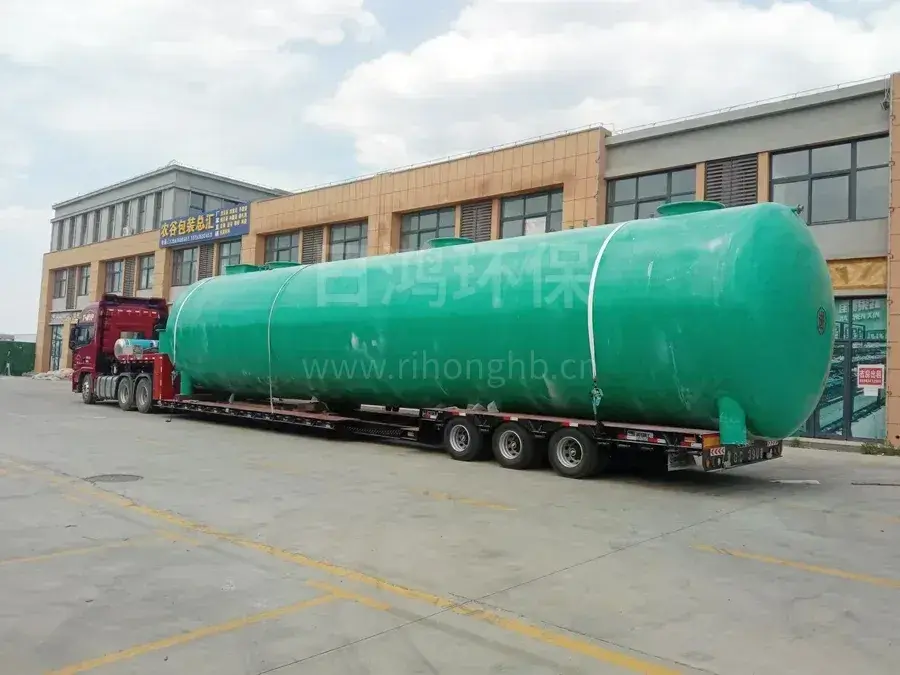
FRP Underground Wastewater Treatment Equipment
In rural areas, residential communities, homestay scenic spots, and similar locations, surface space is precious and landscape requirements are high. Traditional above-ground equipment often occupies conspicuous space, is prone to freezing in winter, and affects environmental aesthetics. Wushi Environmental Protection introduces FRP (glass fiber reinforced plastic) underground wastewater treatment equipment, which uses corrosion-resistant, lightweight, and long-life FRP tanks to carry integrated processes such as A/O, A²/O, or MBR, fully arranged underground—the ground can be restored to greenery or parking, while underground it stably completes decarbonization, denitrification, phosphorus removal, and disinfection. It is an ideal choice for "invisible compliance" of decentralized domestic wastewater.