
Anaerobic Reactor
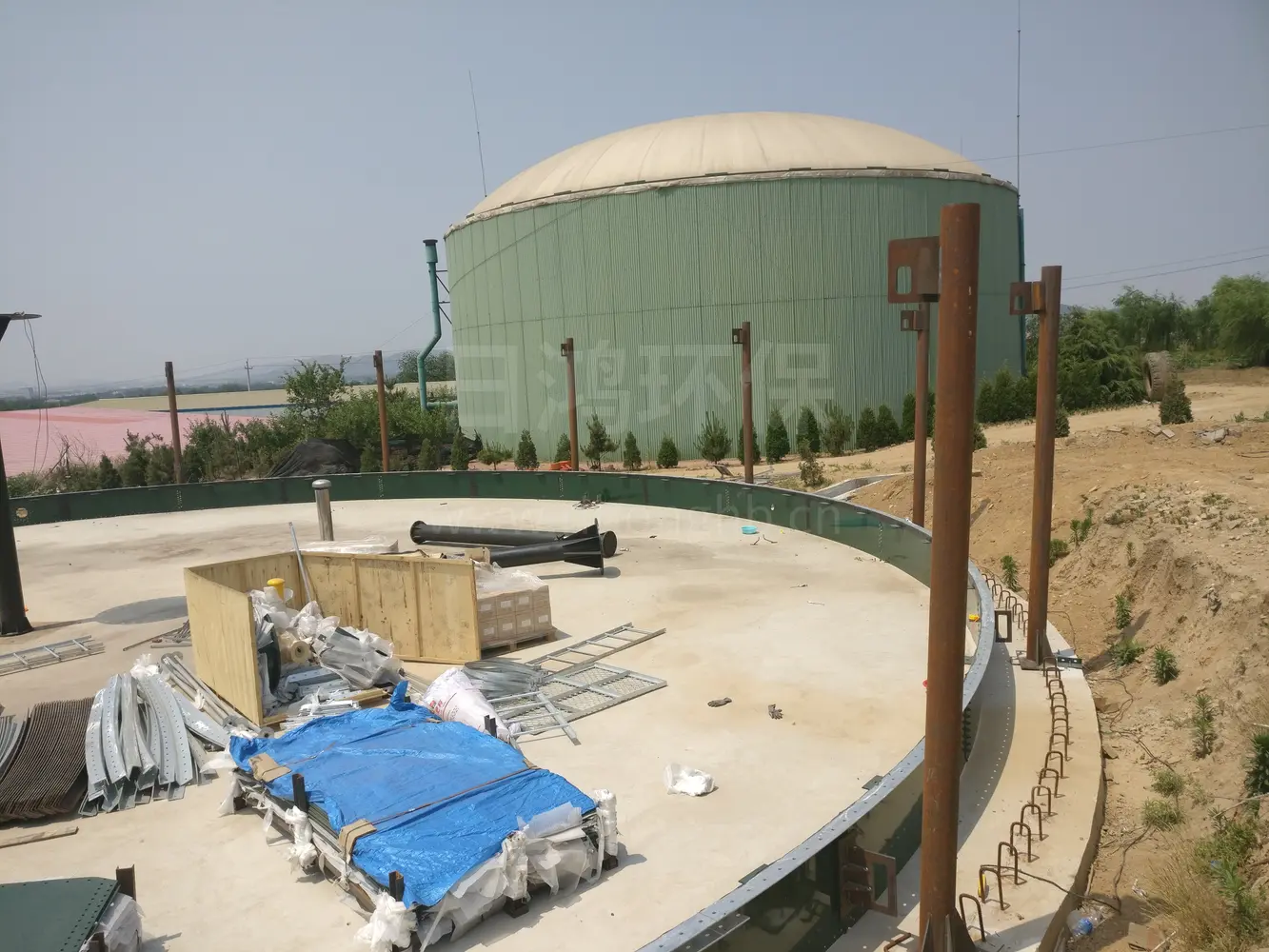
CSTR Anaerobic Reactor
For high-concentration organic wastewater from alcohol, starch, slaughterhouse, livestock, and food processing that is difficult for biochemical pretreatment, as well as the reduction and disposal of municipal sludge and food waste, traditional aerobic processes have high energy consumption and large sludge production. CSTR (Continuous Stirred Tank Reactor) is centered on "fully mixed stirring + mesophilic/thermophilic anaerobic digestion + biogas energy recovery," converting organic matter into clean energy biogas within a sealed tank, achieving the dual benefits of "pollution reduction" and "energy production."
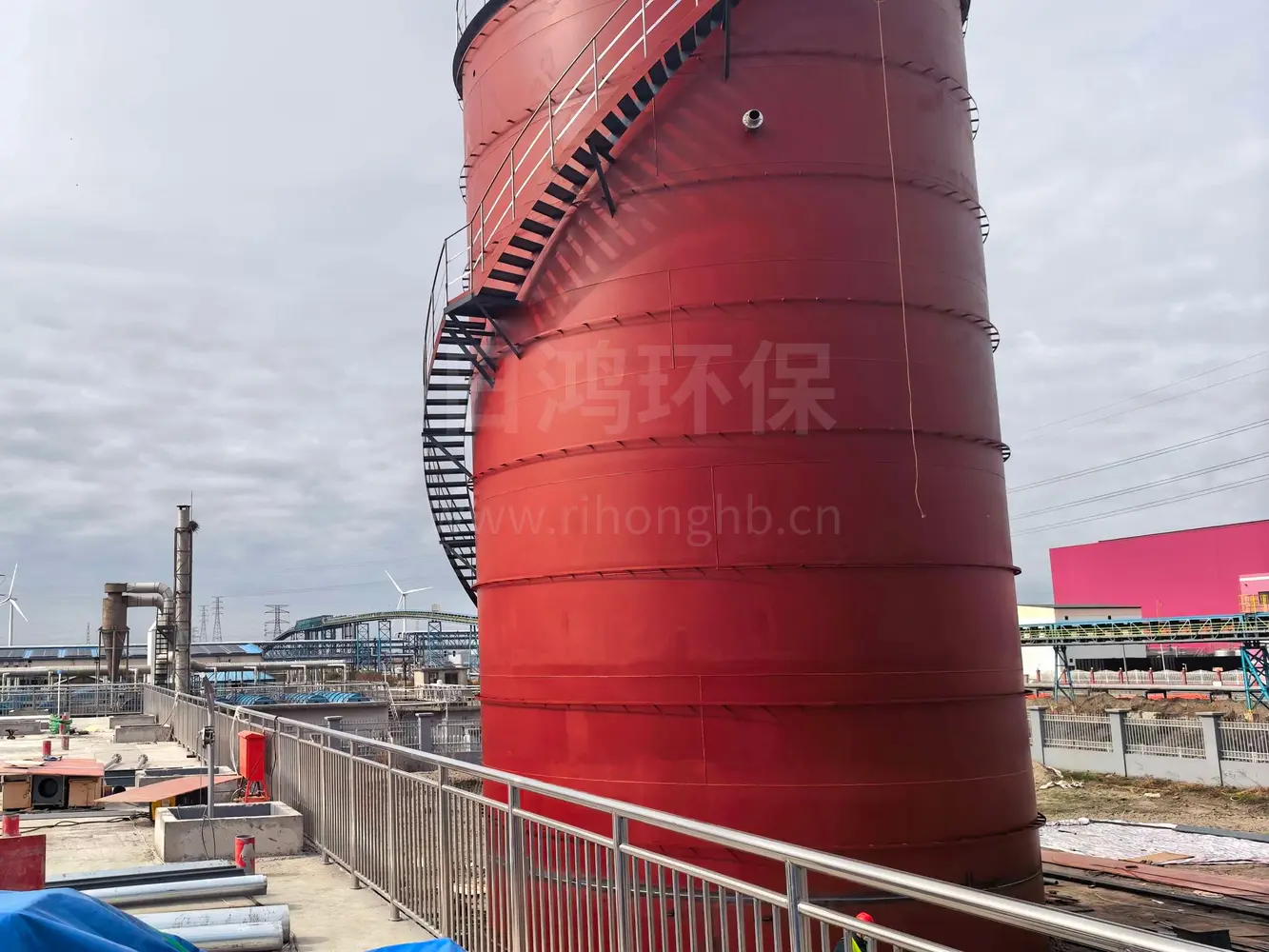
UASB Anaerobic Reactor
High-concentration organic wastewater from industries such as food, brewing, livestock farming, papermaking, and fermentation often faces the triple pressure of "high power consumption, excessive sludge, and expensive operation" when aerobic processes are used. UASB (Upflow Anaerobic Sludge Blanket) is built around a "high-concentration granular sludge bed + three-phase separator + no aeration required" and efficiently degrades organic matter within a sealed reactor while simultaneously recovering biogas. It is the preferred anaerobic unit for medium- to high-concentration organic wastewater with "pollution reduction, carbon reduction, and energy production."
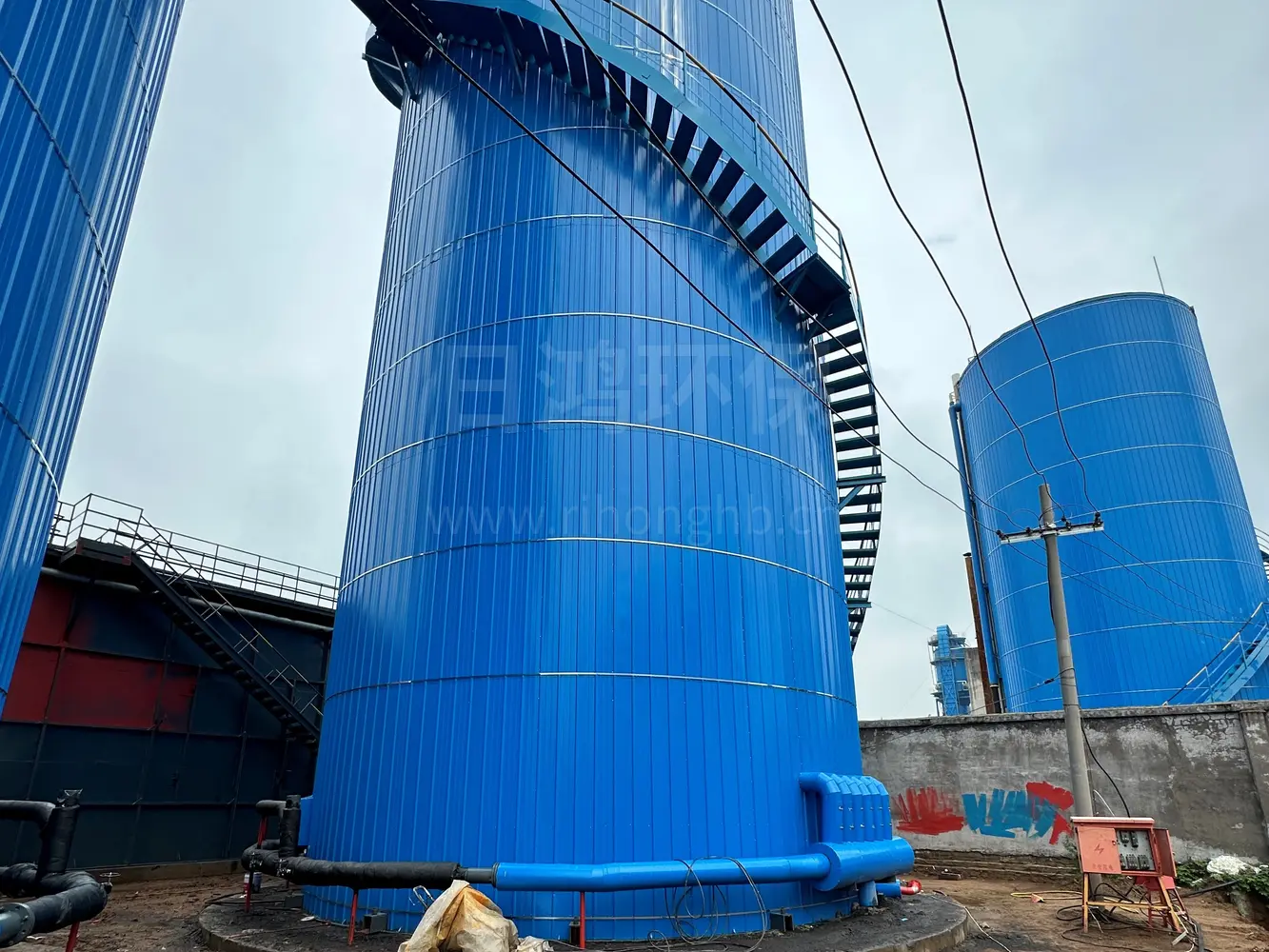
IC Anaerobic Reactor Tower
When treating medium- to high-strength organic wastewater, the goals of "high loading, small footprint" must be balanced with stable operation and energy recovery—yet conventional UASB is already approaching its loading limit. The IC (Internal Circulation) anaerobic reactor is built around a "high height-to-diameter ratio tank + two-stage reaction chambers + biogas-driven internal circulation." Using biogas production as the driving force, it forms a sludge-water circulation inside the reactor, greatly improving mass transfer efficiency and volumetric loading. It is the preferred high-efficiency anaerobic equipment for industries such as brewing, starch, papermaking, and chemicals.