CSTR Anaerobic Reactor
For high-concentration organic wastewater from alcohol, starch, slaughterhouse, livestock, and food processing that is difficult for biochemical pretreatment, as well as the reduction and disposal of municipal sludge and food waste, traditional aerobic processes have high energy consumption and large sludge production. CSTR (Continuous Stirred Tank Reactor) is centered on "fully mixed stirring + mesophilic/thermophilic anaerobic digestion + biogas energy recovery," converting organic matter into clean energy biogas within a sealed tank, achieving the dual benefits of "pollution reduction" and "energy production."
I. Product Positioning
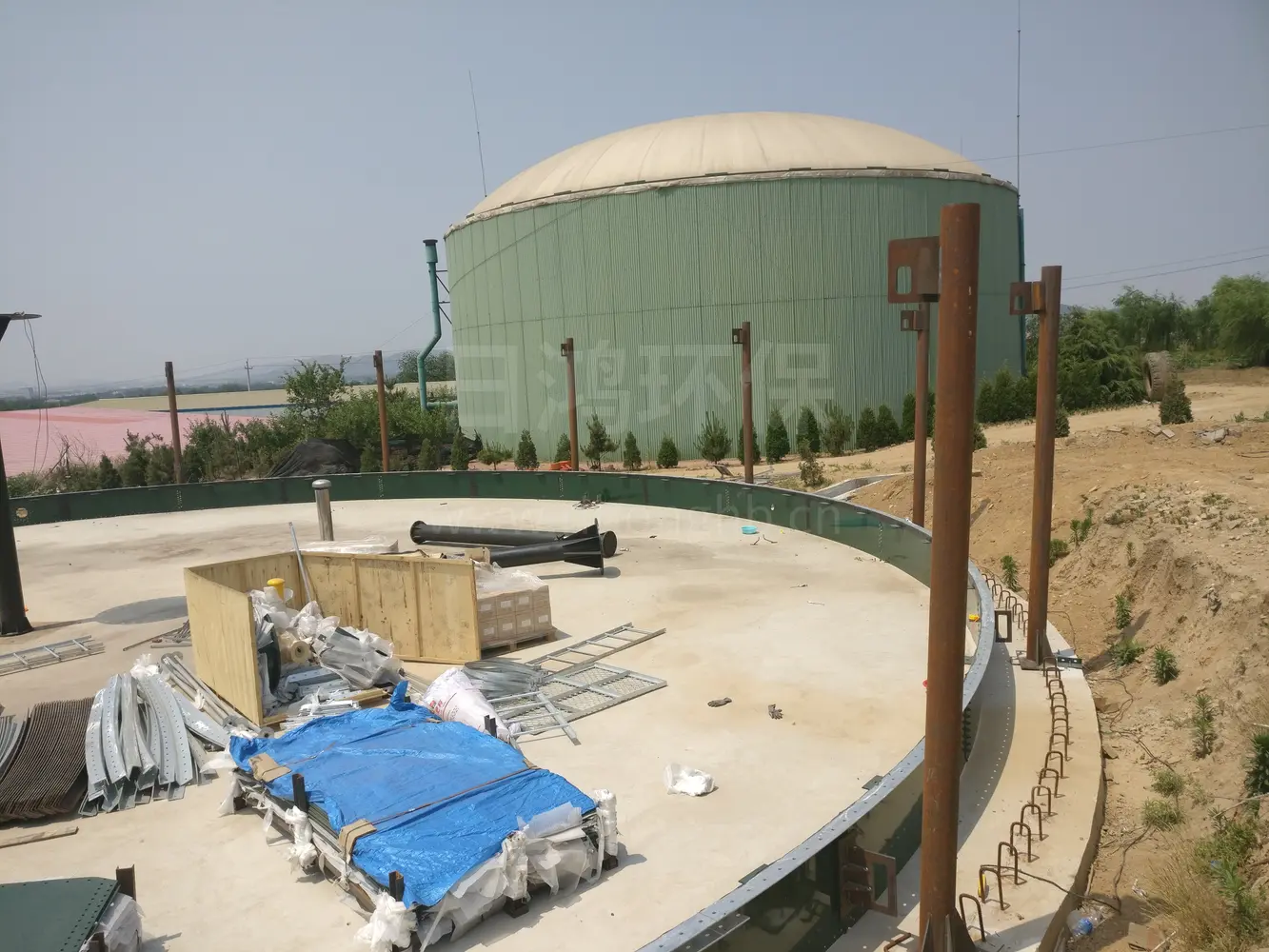
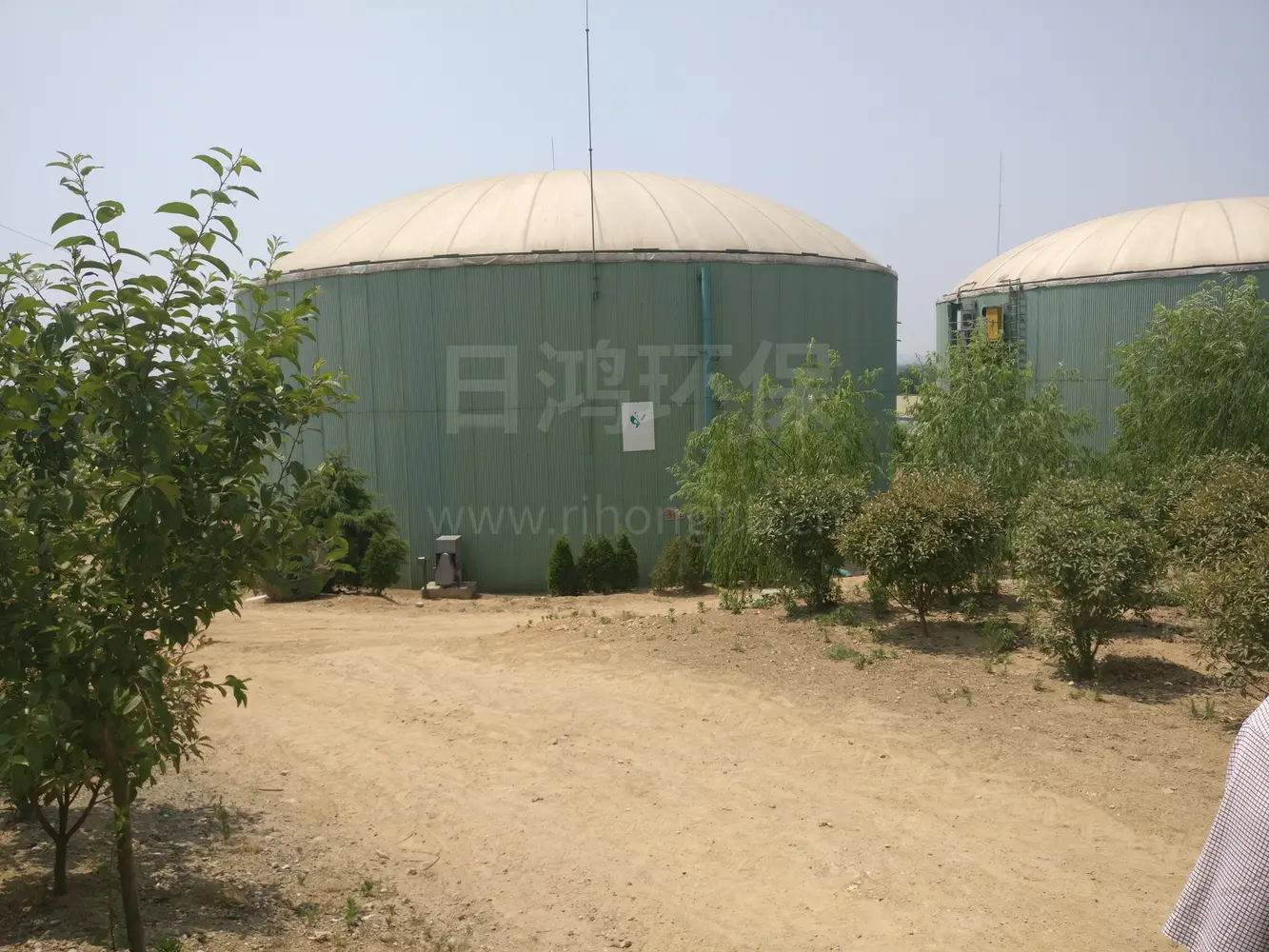
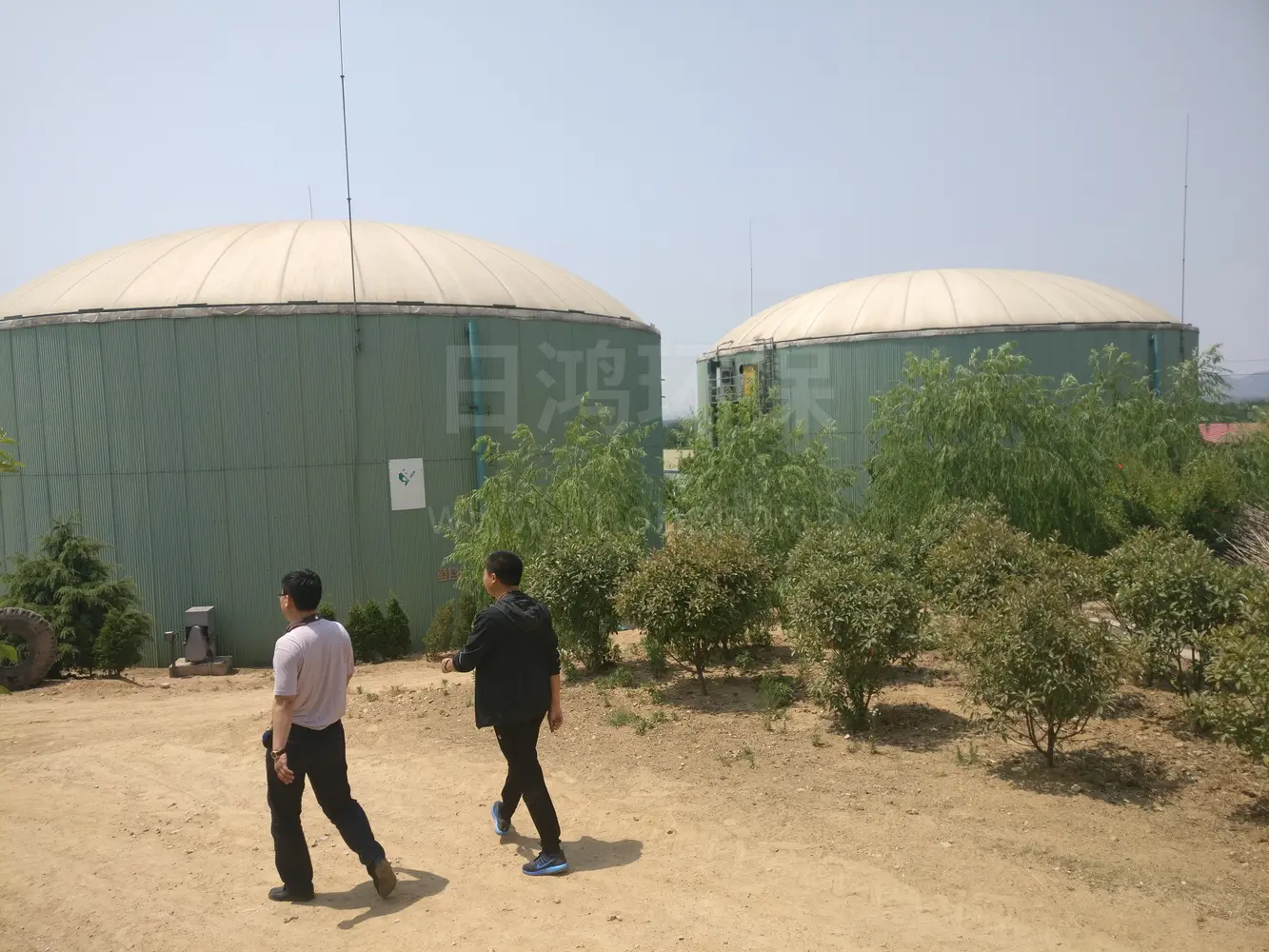
The CSTR anaerobic reactor is an anaerobic digestion device with continuous influent and effluent and uniform mixing throughout the tank. Wastewater (or sludge) and anaerobic microorganisms are kept in full contact within the tank through stirring, and organic matter is degraded by anaerobic microbial communities to produce biogas. The equipment is typically equipped with a heating and insulation system, stirring system, and biogas collection and pressure stabilization device, and can be arranged as an above-ground vertical tank or an underground concrete tank. It is one of the mainstream technologies for medium- and high-concentration organic wastewater treatment and anaerobic digestion of sludge/organic solid waste. Compared with upflow reactors such as UASB, CSTR does not rely on granular sludge and a three-phase separator, has better tolerance to suspended solids and viscous materials, and is more suitable for materials with high solids content and large water quality fluctuations.
II. Working Principle (Brief)
Feed mixing: High-concentration organic wastewater (or sludge, food waste slurry) is conditioned and then continuously or batch-fed into the CSTR tank, where it fully mixes with the anaerobic sludge in the tank.
Fully mixed stirring: Mechanical stirring, biogas recirculation stirring, or hydraulic jetting is used to uniformly mix the materials in the tank, avoiding stratification and short-circuiting and ensuring full contact between microorganisms and substrate.
Anaerobic digestion and degradation: Under sealed, temperature-controlled conditions (mesophilic about 35°C or thermophilic about 55°C), anaerobic microbial communities convert organic matter into biogas (mainly CH₄) through the sequential stages of hydrolysis, acidogenesis, hydrogen-producing acetogenesis, and methanogenesis.
Biogas collection: The produced biogas is collected through the top gas hood, passed through a water seal/pressure stabilization unit, and sent to a gas holder or purification and utilization system, where it can be used as boiler fuel, for power generation, or fed into the gas grid.
Effluent separation: The digested mixed liquor is discharged from the bottom of the tank or by upper overflow, and after subsequent sedimentation or solid-liquid separation, the supernatant enters post-treatment, while the digestate is transported out or further utilized.
Heating and circulation: The system maintains digestion temperature through coil/jacket heating, and part of the liquid is recirculated to stabilize the load. The entire process is automatically controlled by PLC for temperature, stirring, and pressure.
Process flow: feed → fully mixed stirring → anaerobic digestion for biogas production → biogas collection and utilization → effluent separation → heating circulation and recirculation, with the entire process sealed, temperature-controlled, and continuously stable in operation.
III. Core Advantages
① Fully mixed and sufficient contact Materials are always uniformly mixed, with no dead zones and strong shock resistance, and strong tolerance to high SS and viscous materials.
② Energy recovery and biogas production Organic matter is converted into biogas (CH₄ 50–70%), which can generate electricity/provide heat, offsetting operating energy consumption or even producing a surplus.
③ Significant reduction Sludge and organic solid waste are greatly reduced, digestate is stabilized, and subsequent disposal costs are low.
④ Wide load adaptability Applicable from municipal sludge to high-concentration wastewater such as alcohol, starch, and slaughterhouse wastewater, with adjustable volumetric loading.
⑤ Stable and reliable operation Sealed temperature control, uniform stirring, and automatic PLC operation make management simple and require few operators after startup.
⑥ Mature structure and easy scale-up Flexible tank forms (steel/concrete), large single-unit volume, rich engineering experience, and convenient capacity expansion.
IV. Main Technical Parameters (Typical Range Reference)
Item | Typical Range / Description |
|---|---|
Effective volume per unit | 100 – 5000 m³ (depending on treatment scale) |
Stirring method | Mechanical stirring / biogas recirculation stirring / hydraulic jetting (can be combined) |
Operating temperature | Mesophilic 33–38°C; thermophilic 50–58°C |
Hydraulic retention time (HRT) | Sludge/solid waste digestion 15–40 days; high-concentration wastewater 2–10 days |
Volumetric loading | 2 – 8 kgCOD/(m³·d) (depending on water quality and temperature) |
COD removal rate | 60% – 85% (depending on water quality and temperature) |
Biogas yield | 0.30 – 0.60 m³/kgCOD removed |
Biogas composition | CH₄ 50% – 70%, with the remainder mainly CO₂ |
Main material | Anti-corrosion carbon steel / stainless steel / reinforced concrete + anti-corrosion lining |
Power consumption per ton of water | About 0.5 – 2.0 kWh/m³ (including heating, depending on region and temperature) |
Layout form | Above-ground vertical tank / underground concrete tank, indoor or outdoor layout |
Note: The above are reference values for typical engineering ranges, and the final design shall be based on water quality testing, bench/pilot tests, and specific design conditions.
V. Typical Application Scenarios
Industry / Scenario | Applicability Description |
|---|---|
Alcohol / brewing wastewater | Ultra-high-concentration organic wastewater; CSTR anaerobic biogas energy recovery benefits are significant |
Starch / sugar wastewater | Good biodegradability and high concentration; anaerobic digestion reduces load and produces gas |
Slaughterhouse / livestock wastewater | High in protein, fat, and suspended solids; fully mixed process tolerates solids-containing materials |
Food processing wastewater | Centralized anaerobic treatment of organic wastewater from canning, dairy, brewing, etc. |
Municipal sludge anaerobic digestion | Sludge reduction and stabilization with biogas production; commonly used process for energy self-sufficiency in wastewater treatment plants |
Food waste / kitchen waste | Slurry anaerobic digestion, integrated with waste sorting and disposal |
High-concentration biodegradable industrial wastewater | Anaerobic pre-treatment and load reduction for the biodegradable section of wastewater from pharmaceuticals, chemicals, etc. |
VI. Applicable Boundaries and Selection Recommendations
Suitable for: High-concentration, readily biodegradable organic wastewater and organic solid waste (sludge, food waste); projects seeking "pollution reduction + biogas energy recovery"; materials with large water quality fluctuations and relatively high suspended solids.
Points to note: ① CSTR is not economical for low-concentration wastewater; upflow high-efficiency anaerobic processes such as UASB should be selected; ② Heating and insulation must be provided, and in northern regions especially, energy consumption and freeze protection must be emphasized; ③ Anaerobic sludge inoculation is required during startup, and the culture period is relatively long; ④ The effluent still contains pollutants and must be followed by an aerobic process to achieve stable compliance discharge; ⑤ The biogas system requires explosion protection, flame arresters, and pressure stabilization, with high safety requirements; ⑥ Stirring and heating consume electricity, so comprehensive accounting should be carried out in combination with biogas benefits.
Selection recommendations: Determine volume and stirring method according to material solids content, concentration, and gas production targets; mesophilic conditions are preferred for high-concentration wastewater/sludge digestion, while thermophilic conditions produce gas faster but consume more energy; design should be coordinated with downstream aerobic treatment, digestate liquid treatment, and biogas purification and utilization.
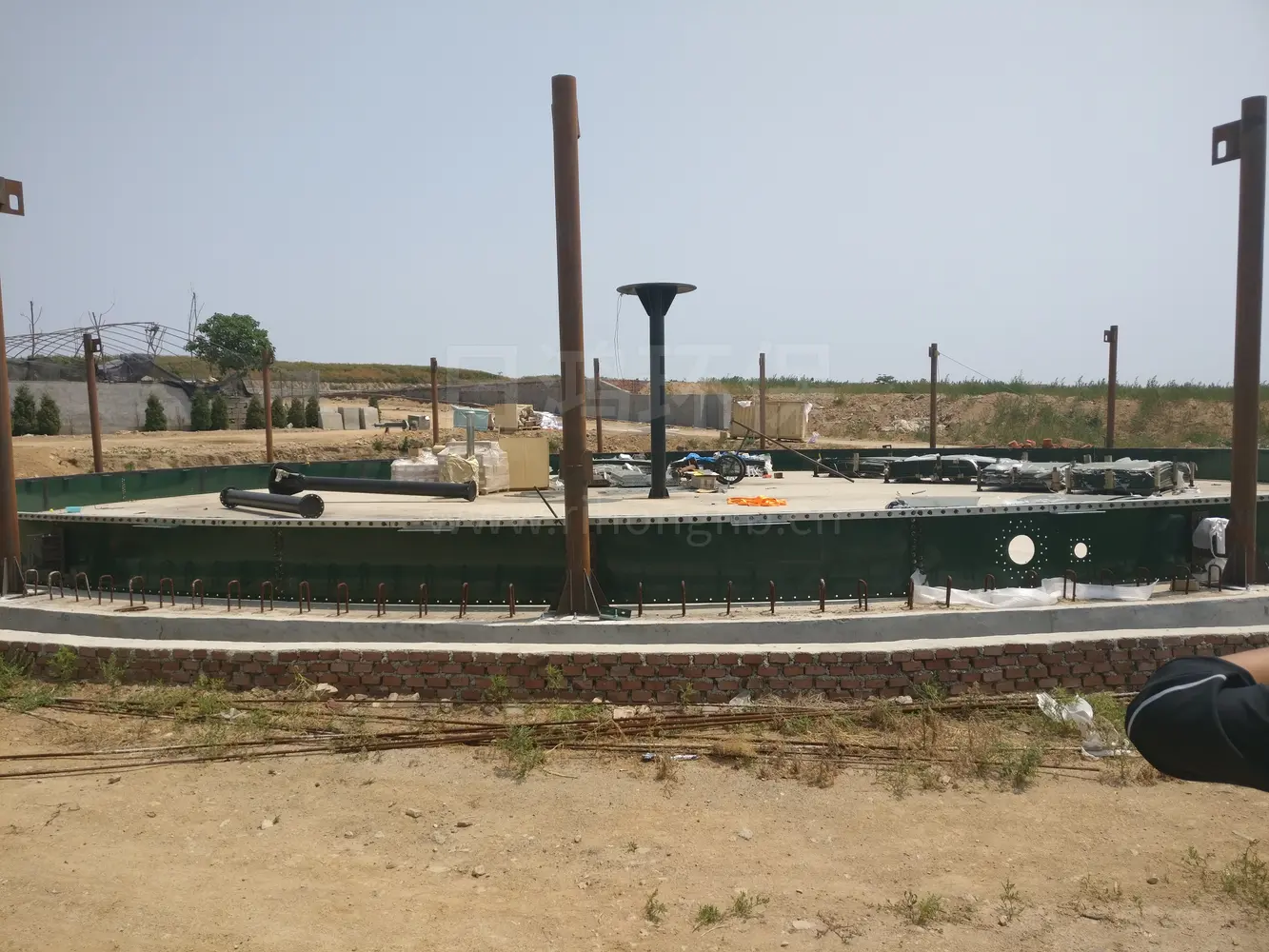
Product Images
FAQ
How much does this equipment cost?
The price varies by treatment capacity, water quality, materials and configuration, so a custom quote is provided based on your actual conditions. We offer free water testing and solution design, with a detailed quote within 1 working day after requirements are confirmed.
What treatment capacity is available? Can it be customized?
Capacity is fully customizable, ranging from tens to thousands of tons per day (e.g. 0.5–30 m³/h), with non-standard design support matched precisely to your inlet/outlet requirements.
How long does delivery take?
Standard equipment typically takes about 2–4 weeks to produce; custom projects depend on scale and process. The delivery date is confirmed at contract signing, with design, manufacturing and shipping progressing on schedule.
Is installation and commissioning included?
Yes. We provide installation, system commissioning, operator training and environmental acceptance assistance, as well as long-term managed operation services on request.
What about after-sales and warranty?
We provide a warranty period and a 24/7 technical hotline, with free repair for non-human faults during the warranty period, plus spare parts supply and regular inspection services.
Still worried about wastewater treatment?
Free Testing · Free Custom Solutions · Engineering Construction · Equipment R&D · Managed Operation
Contact Us Now →Related Products
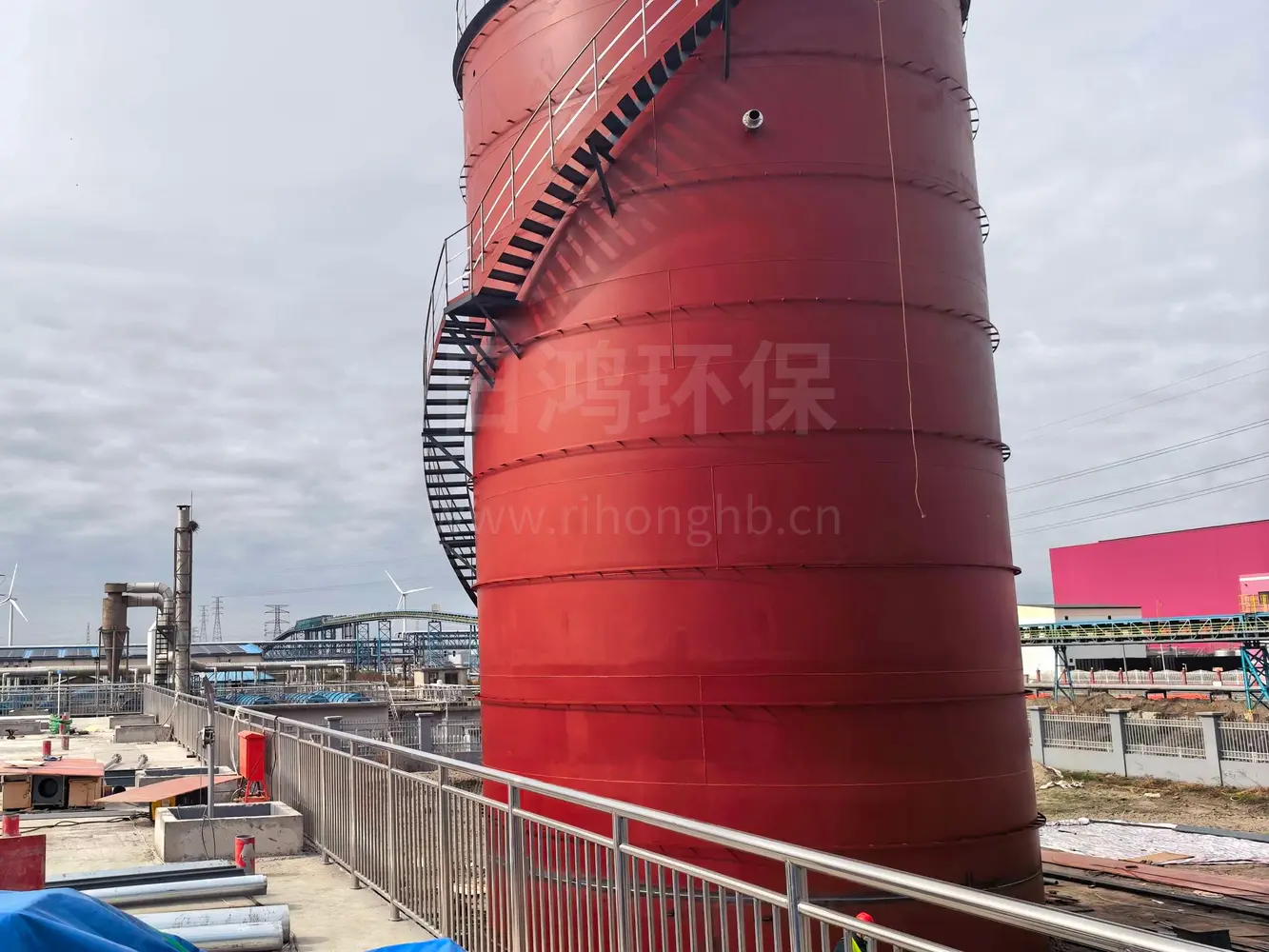
UASB Anaerobic Reactor
High-concentration organic wastewater from industries such as food, brewing, livestock farming, papermaking, and fermentation often faces the triple pressure of "high power consumption, excessive sludge, and expensive operation" when aerobic processes are used. UASB (Upflow Anaerobic Sludge Blanket) is built around a "high-concentration granular sludge bed + three-phase separator + no aeration required" and efficiently degrades organic matter within a sealed reactor while simultaneously recovering biogas. It is the preferred anaerobic unit for medium- to high-concentration organic wastewater with "pollution reduction, carbon reduction, and energy production."
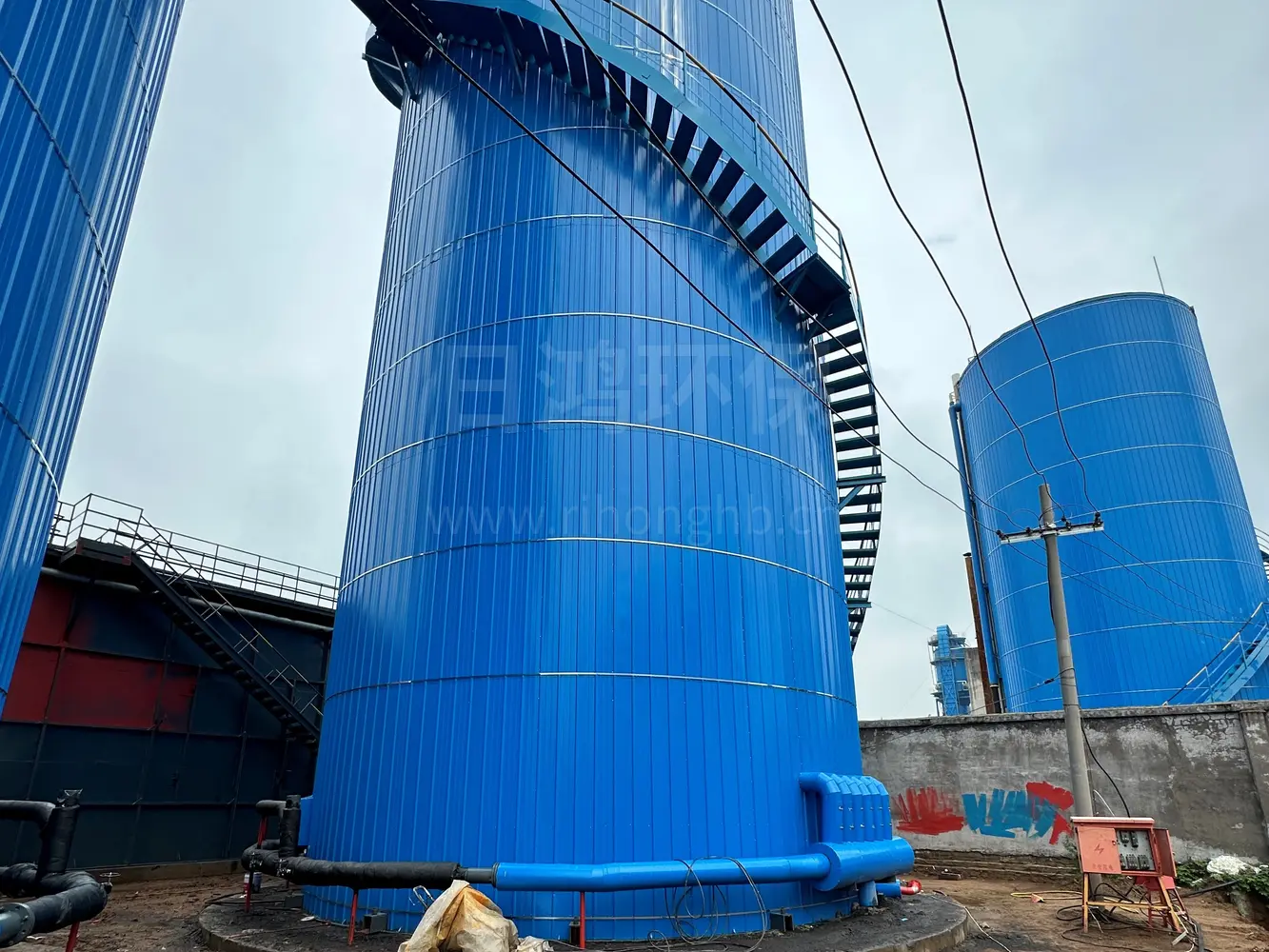
IC Anaerobic Reactor Tower
When treating medium- to high-strength organic wastewater, the goals of "high loading, small footprint" must be balanced with stable operation and energy recovery—yet conventional UASB is already approaching its loading limit. The IC (Internal Circulation) anaerobic reactor is built around a "high height-to-diameter ratio tank + two-stage reaction chambers + biogas-driven internal circulation." Using biogas production as the driving force, it forms a sludge-water circulation inside the reactor, greatly improving mass transfer efficiency and volumetric loading. It is the preferred high-efficiency anaerobic equipment for industries such as brewing, starch, papermaking, and chemicals.