Integrated Water Purifier
In rural areas, towns, military camps, factories and mines, surface water sources are scattered, and building traditional water treatment plants often faces challenges such as large investment, extensive land occupation, and long construction periods. Wushi Environmental Protection introduces the Integrated Water Purifier, which integrates coagulation, flocculation, sedimentation, filtration, and disinfection of a conventional water plant into a single ground-mounted unit. The effluent consistently meets the Standards for Drinking Water Quality (GB 5749), enabling scattered point sources to access safe and stable tap water.
I. Product Positioning
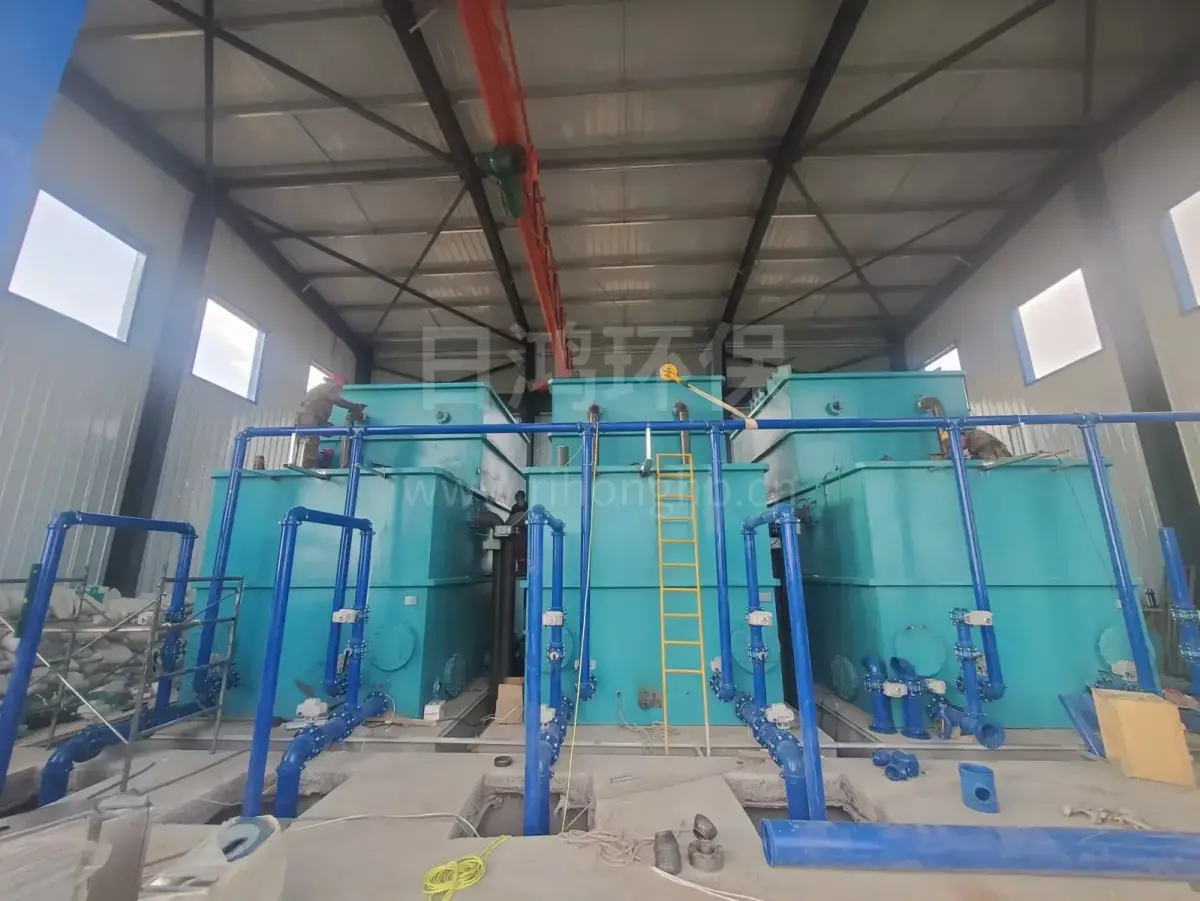
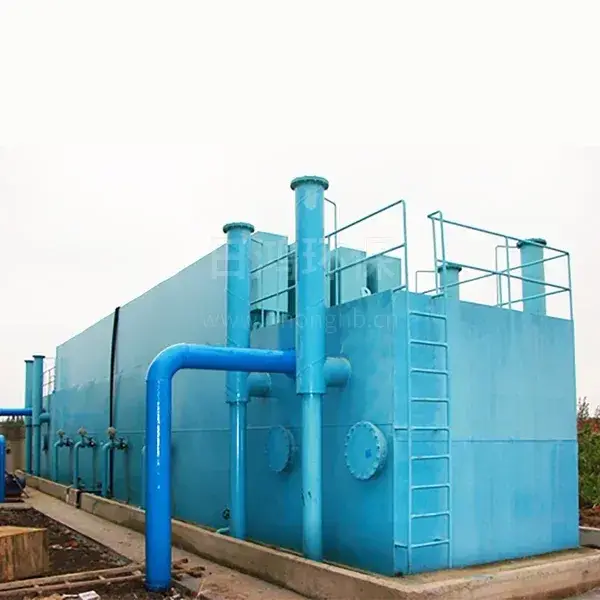
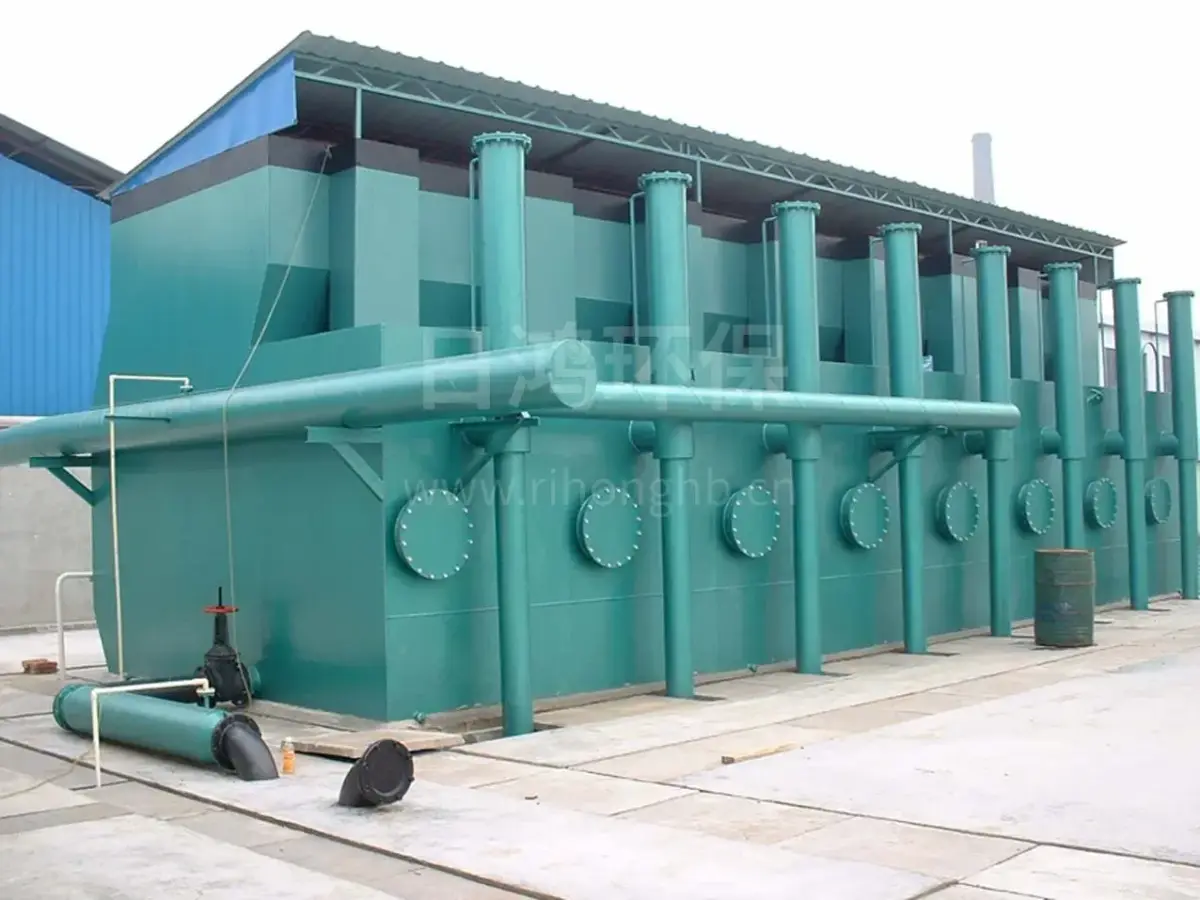
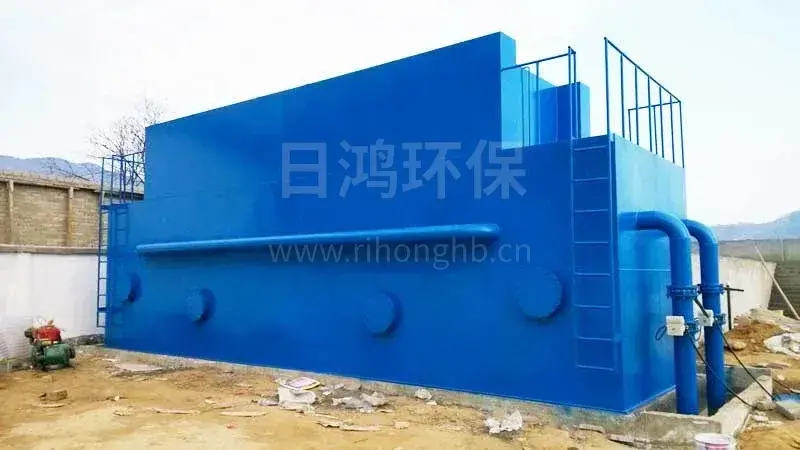
The Integrated Water Purifier is an integrated water supply purification equipment that adopts the classic purification process chain of "micro-flocculation + inclined tube sedimentation + filtration + disinfection". The main body is a carbon steel anti-corrosion, stainless steel, or FRP tank, integrating mixing, reaction, sedimentation, filtration, backwashing, chemical dosing, and control into one unit. Using surface water from rivers, lakes, and reservoirs as the water source, it features ground-level installation and plug-and-play operation, suitable for decentralized drinking water scenarios such as village and town water supply, small water plants, and emergency water supply.
II. Working Principle (Brief)
Coagulation and Mixing: Raw water is dosed with coagulant (e.g., PAC) and rapidly and uniformly mixed in the pipeline or mixing zone to destabilize colloids.
Flocculation Reaction: Entering the flocculation zone with slow agitation, destabilized particles gradually form dense flocs, improving subsequent separation efficiency (coagulant aids can be added during low-temperature and low-turbidity periods).
Inclined Tube Sedimentation: Water flows through the inclined tube/plate sedimentation zone, where flocs settle efficiently and clear water overflows, significantly shortening sedimentation retention time and reducing footprint.
Filtration: The supernatant enters the quartz sand/anthracite filter layer, intercepting residual fine suspended solids and some organic matter, reducing effluent turbidity to below 1 NTU.
Disinfection: Dosing with chlorine dioxide/chlorine or passing through a UV unit to kill pathogenic microorganisms, ensuring the effluent meets standards for safe drinking water.
Backwashing and Clean Water: The filter layer is regularly automatically backwashed to discharge sludge; the purified clean water enters the clean water tank or pipe network, with some used for self-backwashing.
Process flow: Raw water → Coagulation and mixing → Flocculation → Inclined tube sedimentation → Filtration → Disinfection → Compliant drinking water
The entire process is continuously completed within the same equipment: coagulation destabilizes impurities, flocculation grows them, sedimentation and filtration remove turbidity step by step, and disinfection ensures microbial safety, forming a complete water purification loop of "turbidity removal + sterilization", with effluent consistently meeting drinking water requirements.
III. Core Advantages
① Integrated water plant process, direct drinking qualityFull chain integration of coagulation, sedimentation, filtration, and disinfection, with effluent consistently meeting GB 5749.
② Small footprint, short construction periodFactory prefabricated and ground assembled, saving land and time compared to traditional water plants, suitable for decentralized point sources.
③ Automatic dosing, stable operationAutomatic metering and dosing + automatic backwashing, resistant to water quality fluctuations, simple operation and maintenance.
④ Wide adaptability, impact resistanceGood adaptability to low-turbidity, high-turbidity, and low-temperature low-turbidity surface water, with optional coagulant aids.
⑤ Modular expansion, high flexibilityModels selected according to water supply scale; multiple units in parallel can cover township-level water supply.
⑥ Multiple scenarios, rapid deploymentReady for use in villages and towns, campuses, military camps, factories and mines, scenic areas, and emergency water supply.
IV. Main Technical Parameters (Reference Range)
Item | Parameter Range / Description | Remarks |
|---|---|---|
Single unit capacity | Approx. 10 – 5000 m³/d (common small-scale 50 – 500 m³/d) | Multiple units can be parallelized |
Main material | Carbon steel anti-corrosion / stainless steel / FRP | Based on water quality and budget |
Core process | Coagulation + flocculation + inclined tube sedimentation + filtration + disinfection | Classic purification chain |
Filtration rate | Approx. 8 – 12 m/h | Filter layer section |
Effluent standard | Standards for Drinking Water Quality GB 5749 | Direct drinking quality |
Inlet turbidity | Tens – hundreds NTU (can be enhanced during high turbidity periods) | Surface water source |
Effluent turbidity | ≤ 1 NTU (typical 0.3 – 1 NTU) | Core indicator |
SS / Turbidity removal rate | Approx. over 95% | Stepwise turbidity removal |
Microbiological indicators | Total colony count and total coliforms meet GB 5749 limits | Disinfection as final barrier |
Power consumption per ton of water | Approx. 0.05 – 0.2 kWh/m³ (lower for gravity type) | Lower than wastewater treatment |
Layout | Ground-level / semi-buried | Convenient for operation and maintenance |
* The above are typical reference ranges; actual removal performance varies with raw water turbidity, water temperature, and operating conditions. High-pollution or special water sources require pre-treatment; specific values should be determined by design calculations and water quality tests.
V. Typical Application Scenarios
Scenario / Industry | Adaptation Description / Main Objective |
|---|---|
Rural drinking water safety / village and town water plants | Using rivers and reservoirs as water sources, centralized purification for the entire village |
Schools / health centers | Small-scale stable direct drinking water, ensuring health of teachers and students |
Military camps / outposts | Quick installation and use, self-sufficient water supply for remote stations |
Factories and mines self-supplied water | Purification of make-up water for production / domestic miscellaneous use |
Scenic areas / homestays / rural tourism | Safe water supply for scattered tourist spots |
Highway service areas | Domestic and catering water supply for service areas |
Post-disaster / emergency water supply | Rapidly deployable mobile water purification units |
VI. Applicable Boundaries and Selection Recommendations
The Integrated Water Purifier is suitable for decentralized drinking water purification using surface water (rivers, lakes, reservoirs) as the water source, primarily for turbidity and mild pollution; for high-pollution, high-salinity, heavy metal-exceeding, or micro-polluted water sources, pre-treatment (e.g., pre-oxidation, activated carbon, ultrafiltration / reverse osmosis) is required to meet standards. During low-temperature and low-turbidity periods, coagulant aids should be added and flocculation optimized; selection should be calculated based on design water supply scale and source water quality with reserved margin; during operation, chemical dosing management, regular backwashing, and filter media replacement are required.
Product Images
FAQ
How much does this equipment cost?
The price varies by treatment capacity, water quality, materials and configuration, so a custom quote is provided based on your actual conditions. We offer free water testing and solution design, with a detailed quote within 1 working day after requirements are confirmed.
What treatment capacity is available? Can it be customized?
Capacity is fully customizable, ranging from tens to thousands of tons per day (e.g. 0.5–30 m³/h), with non-standard design support matched precisely to your inlet/outlet requirements.
How long does delivery take?
Standard equipment typically takes about 2–4 weeks to produce; custom projects depend on scale and process. The delivery date is confirmed at contract signing, with design, manufacturing and shipping progressing on schedule.
Is installation and commissioning included?
Yes. We provide installation, system commissioning, operator training and environmental acceptance assistance, as well as long-term managed operation services on request.
What about after-sales and warranty?
We provide a warranty period and a 24/7 technical hotline, with free repair for non-human faults during the warranty period, plus spare parts supply and regular inspection services.
Turn every water source into safe tap water
We provide water purification selection, water source quality adaptation plans, and installation and operation guidance for villages and towns / military camps / factories and mines. Please call or leave a message to get configuration recommendations for your water source.
Contact Us Now →Related Products
RO Reverse Osmosis System for the Food Industry
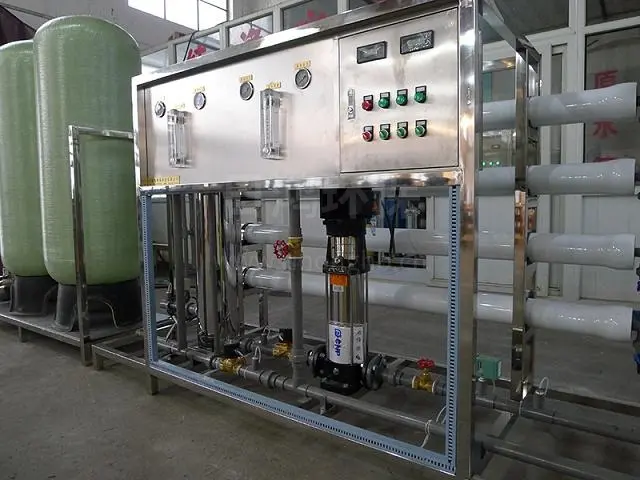
Beverage, brewing, dairy, canning and other food production processes have extremely high requirements for the quality, stability and food safety of process water, while municipal water or groundwater often contains salinity, hardness, residual chlorine and microorganisms. Wushi Environmental has launched RO reverse osmosis equipment for the food industry, integrating pretreatment, high-pressure pumps, membrane separation and automatic control into a single skid-mounted unit. It performs physical desalination at ambient temperature without the need for large amounts of chemicals, stably producing high-purity process water to help food enterprises meet water quality standards, improve quality and reduce costs.
Reclaimed Water Reuse RO Reverse Osmosis System
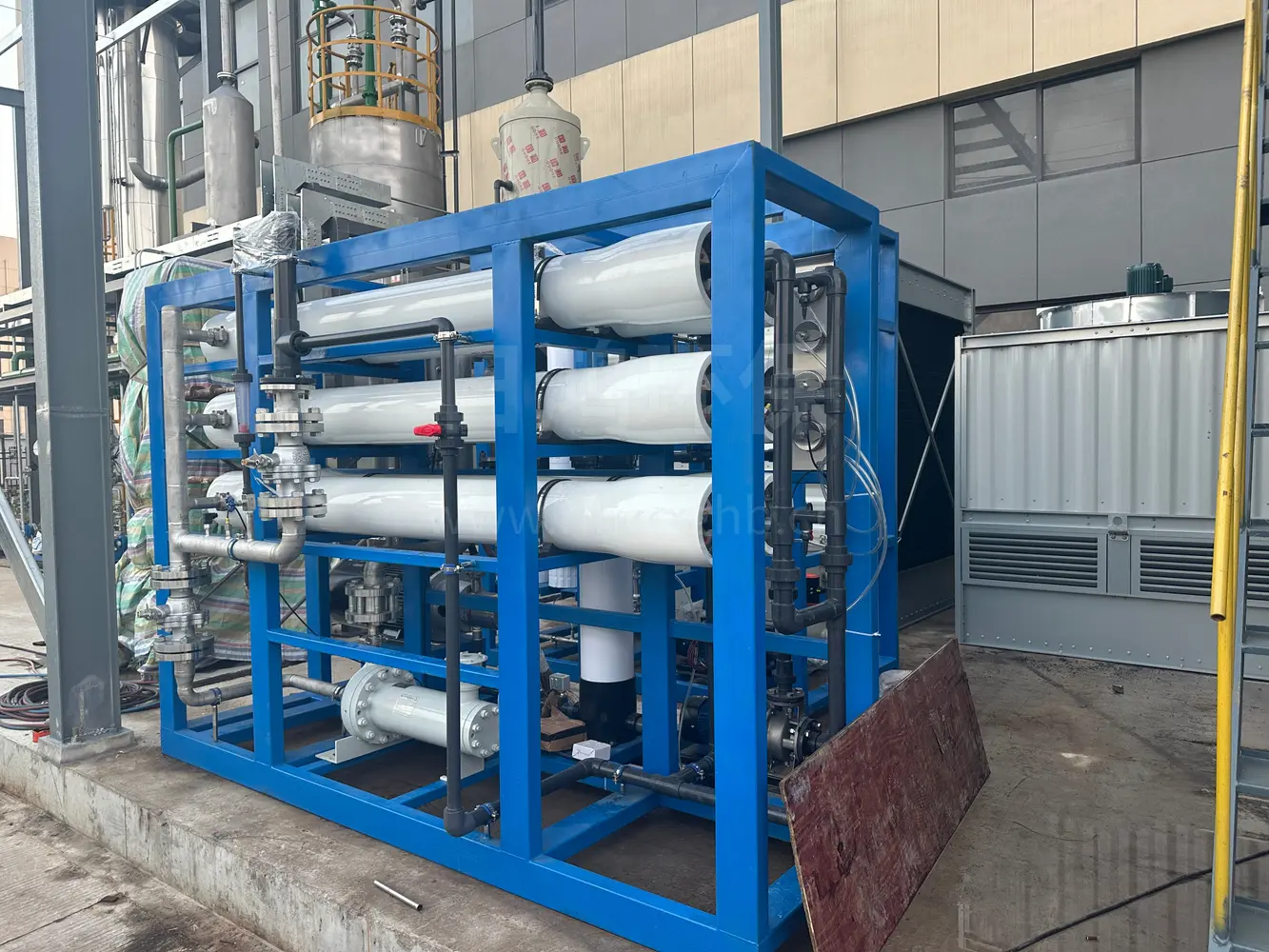
As industrial water intake costs rise and discharge standards tighten, "less fresh water intake, less wastewater discharge" has become a rigid demand. Direct discharge of municipal reclaimed water or a company's own secondary treated effluent is both wasteful and consumes quota. Wushi Environmental launches the industrial reclaimed water reuse RO reverse osmosis system, with Ultrafiltration (UF) + Reverse Osmosis (RO) dual-membrane process as the core, stably converting reclaimed water into circulating cooling make-up water, process water, and even boiler feedwater, with recovery up to 70% – 85%. The concentrate can enter evaporation crystallization to approach zero liquid discharge, helping enterprises save water, reduce emissions, and lower costs.
Valveless Filter
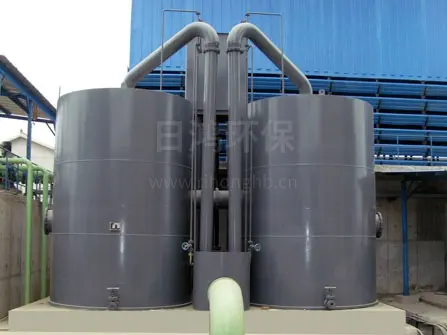
Traditional rapid filters have many valves, complex operation, and rely on manual timing for backwashing, resulting in heavy O&M burden and prone to misoperation. The valveless filter uses the "siphon principle" to replace all valves, achieving a fully automatic filtration-backwash cycle without the need for dedicated personnel. It is an economical choice for rural water supply, industrial circulating water side-stream filtration, and advanced filtration for reclaimed water reuse.
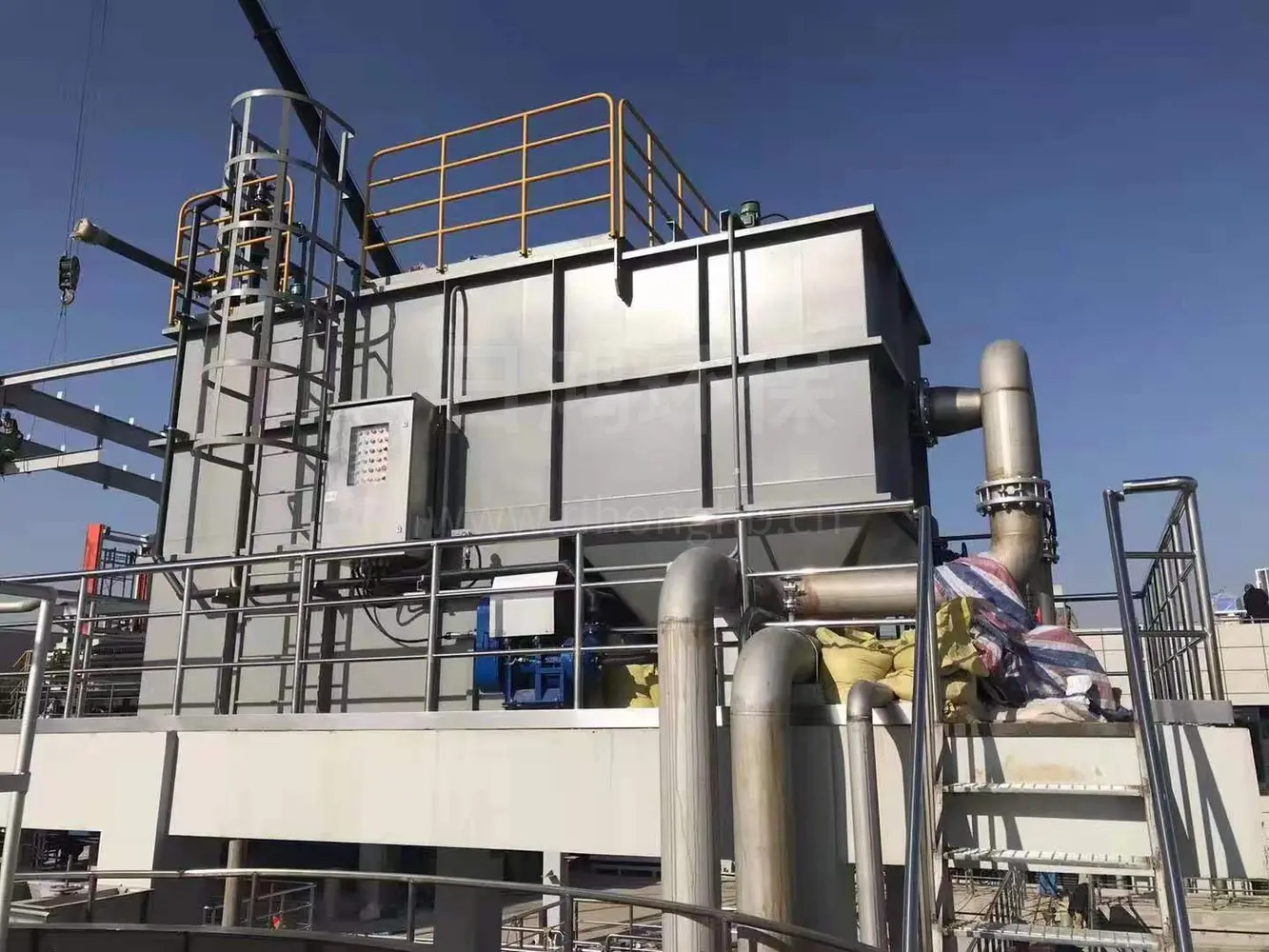
Microsand and Carbon Sedimentation Tank
Faced with the challenge of "dissolved taste and odor, color, micropollutants, and refractory COD" in drinking water and reuse water that cannot be removed by conventional coagulation and sedimentation, and with limited plant footprint, the Microsand and Carbon Sedimentation Tank couples microsand-loaded high-rate sedimentation with powdered activated carbon (PAC) adsorption in a single unit. It efficiently removes turbidity while adsorbing dissolved pollutants, with microsand recycled for reuse, requiring only 1/5–1/10 of the footprint of traditional processes.