RO Reverse Osmosis System for the Food Industry
Beverage, brewing, dairy, canning and other food production processes have extremely high requirements for the quality, stability and food safety of process water, while municipal water or groundwater often contains salinity, hardness, residual chlorine and microorganisms. Wushi Environmental has launched RO reverse osmosis equipment for the food industry, integrating pretreatment, high-pressure pumps, membrane separation and automatic control into a single skid-mounted unit. It performs physical desalination at ambient temperature without the need for large amounts of chemicals, stably producing high-purity process water to help food enterprises meet water quality standards, improve quality and reduce costs.
I. Product Positioning
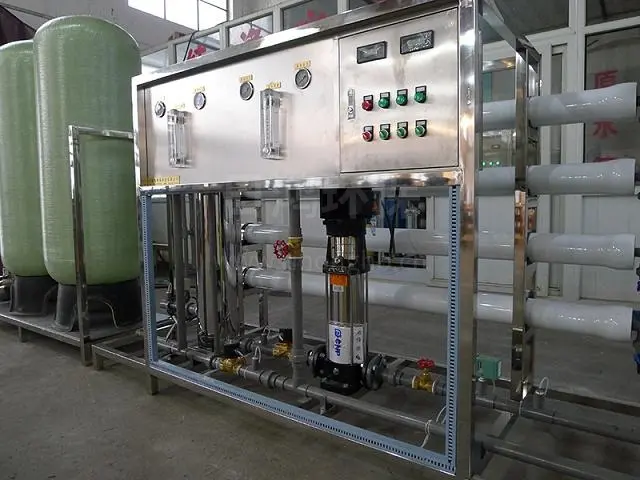
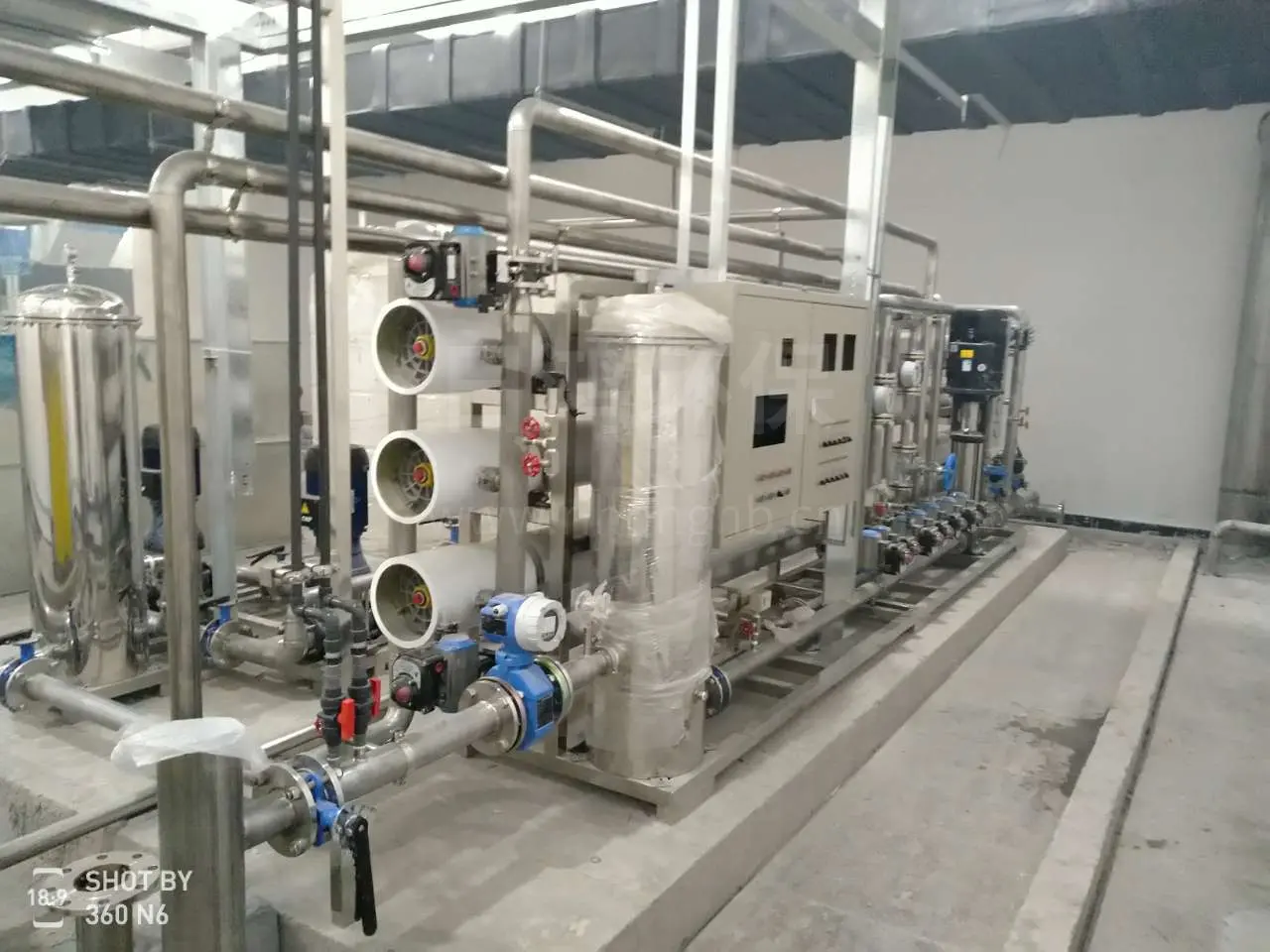
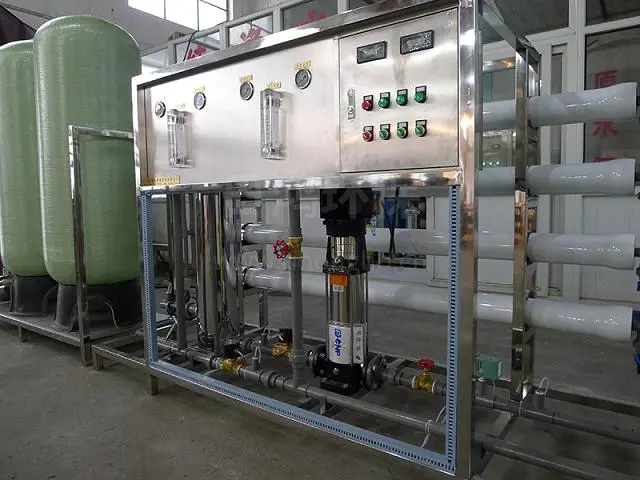
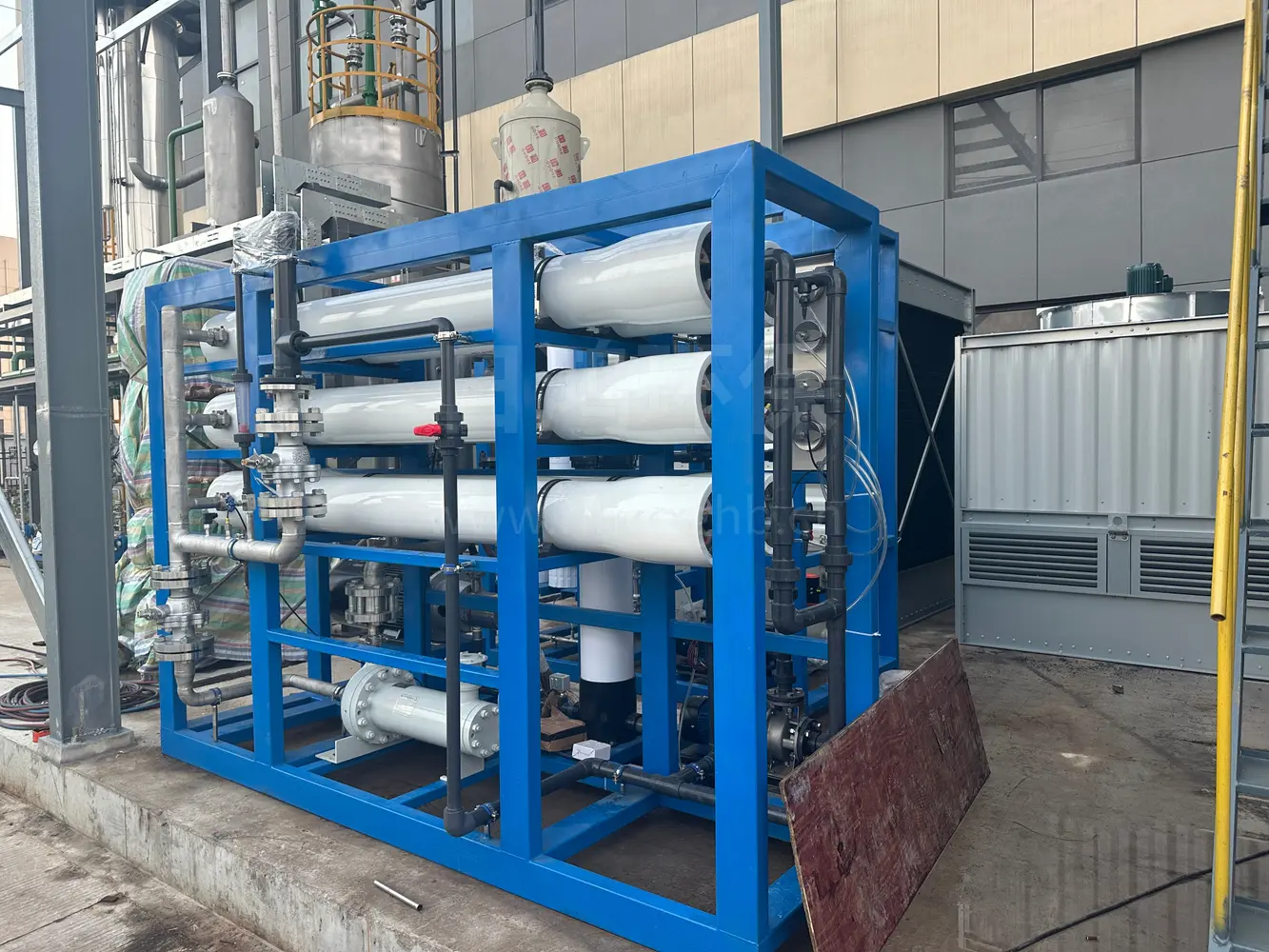
RO reverse osmosis equipment is a high-purity water production unit with a semipermeable membrane as its core. Driven by high pressure, it allows water molecules to pass through the membrane while retaining dissolved salts, hardness, heavy metals, organic matter and microorganisms. Food industry models use food-grade 304 / 316L stainless steel piping and membrane housings, integrating multi-media filtration, activated carbon, softening / scale inhibition, security filtration, high-pressure pumps, RO membrane stacks and automatic control systems. They can produce pure water in a single stage, or be connected in series with second-stage RO / EDI to produce higher-purity water, serving as a reliable "central water production station" for food production lines.
II. Working Principle (Brief)
Pretreatment: Raw water passes through multi-media filtration to remove suspended solids, activated carbon to remove residual chlorine and organic matter, softening / scale inhibition to prevent scaling, and then a 5 μm security filter to protect the membrane elements.
High-pressure pump pressurization: Provides the required operating pressure for RO (about 1.0 – 1.6 MPa for brackish water), which is the driving force for water to pass through the semipermeable membrane.
RO membrane separation: The spiral-wound polyamide composite membrane retains salts, hardness, heavy metals, colloids and microorganisms under high pressure, with the permeate (pure water) and concentrate separated.
Pure water collection: The permeate enters the pure water tank; for higher purity requirements, it can be further desalinated by second-stage RO or EDI to reach high-purity water grade.
Concentrate discharge / reuse: Part of the concentrate is discharged, and water-saving models can partially reuse it (e.g., for cleaning, cooling), reducing water consumption and discharge.
Automatic cleaning (CIP): Periodic chemical cleaning restores membrane flux, combined with automatic flushing and high/low pressure protection, ensuring long-term stable operation.
Process flow: Raw water → Pretreatment (sand filtration/carbon filtration/softening/security) → High-pressure pump → RO membrane separation → Pure water collection (→ second-stage RO/EDI) → Qualified process water
The entire process is ambient-temperature physical separation, with no phase change and no introduction of new chemicals: the semipermeable membrane has a high rejection rate for dissolved salts, and with comprehensive pretreatment and automatic control, the produced water quality is stable and food safety risks are low.
III. Core Advantages
① High desalination, stable water quality High rejection of dissolved salts, heavy metals, microorganisms and organic matter, with produced water stably reaching pure water grade.
② Physical separation, safe and clean Operates at ambient temperature without adding new chemicals, with low water quality safety risks, meeting food requirements.
③ Skid-mounted integration, plug and play Pretreatment + pump + membrane + control integrated into one unit; water and power connections on site enable immediate water production.
④ Food-grade materials, compliant 304 / 316L stainless steel piping and membrane housings, meeting food contact requirements.
⑤ Water-saving and recyclable Partial reuse of concentrate reduces water consumption and wastewater discharge, saving operating costs.
⑥ Intelligent control, unattended operation Automatic flushing, high/low pressure protection and water quality monitoring make operation and maintenance simple.
IV. Main Technical Parameters (Reference Range)
Item | Parameter Range / Description | Remarks |
|---|---|---|
Water production capacity | Approx. 0.5 – 50 m³/h (customized according to production line requirements) | Multiple units can be connected in parallel |
Inlet water quality | Municipal tap water / groundwater (requires pretreatment to meet standards) | Control residual chlorine, hardness, SDI |
Desalination rate | ≥ 99% (for dissolved salts) | Single-stage RO |
Operating pressure | Approx. 1.0 – 1.6 MPa (brackish water membrane) | Higher for seawater sources |
System recovery rate | Approx. 60% – 75% | Optimizable for water-saving models |
Permeate water quality | Single-stage conductivity ≤ 10 – 50 μS/cm; second-stage / EDI can reach ≤ 0.1 – 5 μS/cm | Depending on purity requirements |
Effluent standard | Meets GB 5749 or corresponding food production water requirements | Determined by application |
Membrane element | Spiral-wound polyamide composite membrane | Fouling-resistant type optional |
Main body material | 304 / 316L stainless steel piping and membrane housings | Food-grade |
Power consumption per ton of water | Approx. 0.5 – 2.0 kWh/m³ | Varies with pressure and recovery rate |
* The above are typical reference ranges. Actual permeate water quality and recovery rate vary with inlet water quality, membrane model and operating conditions; inlet water must meet pretreatment standards, and specific values are determined by design calculations and water quality tests.
V. Typical Application Scenarios
Industry / Process | Main Use |
|---|---|
Beverages / bottled water | Preparation of purified water and mineral water base |
Beer / brewing | Brewing water, bottle washing and dilution water |
Dairy products | Process ingredient water for milk powder and liquid milk |
Canned food / fruit and vegetable processing | Washing, blanching and blending water |
Ice making / cold drinks | Edible ice and cold drink production water |
Condiments / sauces | High-purity blending and dilution water |
Food factory boilers / cleaning | Soft pure water for scale prevention and equipment cleaning |
VI. Selection Recommendations
RO equipment is suitable for food production lines that use municipal water / groundwater as a source and need to prepare high-purity process water; its inlet water must meet pretreatment standards (residual chlorine, hardness and SDI not exceeding limits), otherwise the membrane is prone to oxidation or fouling. RO itself is not the mainstay for zero discharge of high-salinity wastewater; the concentrate has high salinity and must be discharged compliantly or reused; high-salinity raw water (such as seawater) requires seawater membranes. Selection should be calculated based on water production capacity, inlet water quality and target purity, and space for membrane cleaning and spare parts should be reserved to ensure long-term stable and economical operation.
Product Images
FAQ
How much does this equipment cost?
The price varies by treatment capacity, water quality, materials and configuration, so a custom quote is provided based on your actual conditions. We offer free water testing and solution design, with a detailed quote within 1 working day after requirements are confirmed.
What treatment capacity is available? Can it be customized?
Capacity is fully customizable, ranging from tens to thousands of tons per day (e.g. 0.5–30 m³/h), with non-standard design support matched precisely to your inlet/outlet requirements.
How long does delivery take?
Standard equipment typically takes about 2–4 weeks to produce; custom projects depend on scale and process. The delivery date is confirmed at contract signing, with design, manufacturing and shipping progressing on schedule.
Is installation and commissioning included?
Yes. We provide installation, system commissioning, operator training and environmental acceptance assistance, as well as long-term managed operation services on request.
What about after-sales and warranty?
We provide a warranty period and a 24/7 technical hotline, with free repair for non-human faults during the warranty period, plus spare parts supply and regular inspection services.
Make every drop of process water pure and compliant
We can provide pure water solutions for food production lines, inlet water quality adaptation and skid-mounted equipment selection. Welcome to call or leave a message to get configuration recommendations for your production line.
Contact Us Now →Related Products
Integrated Water Purifier
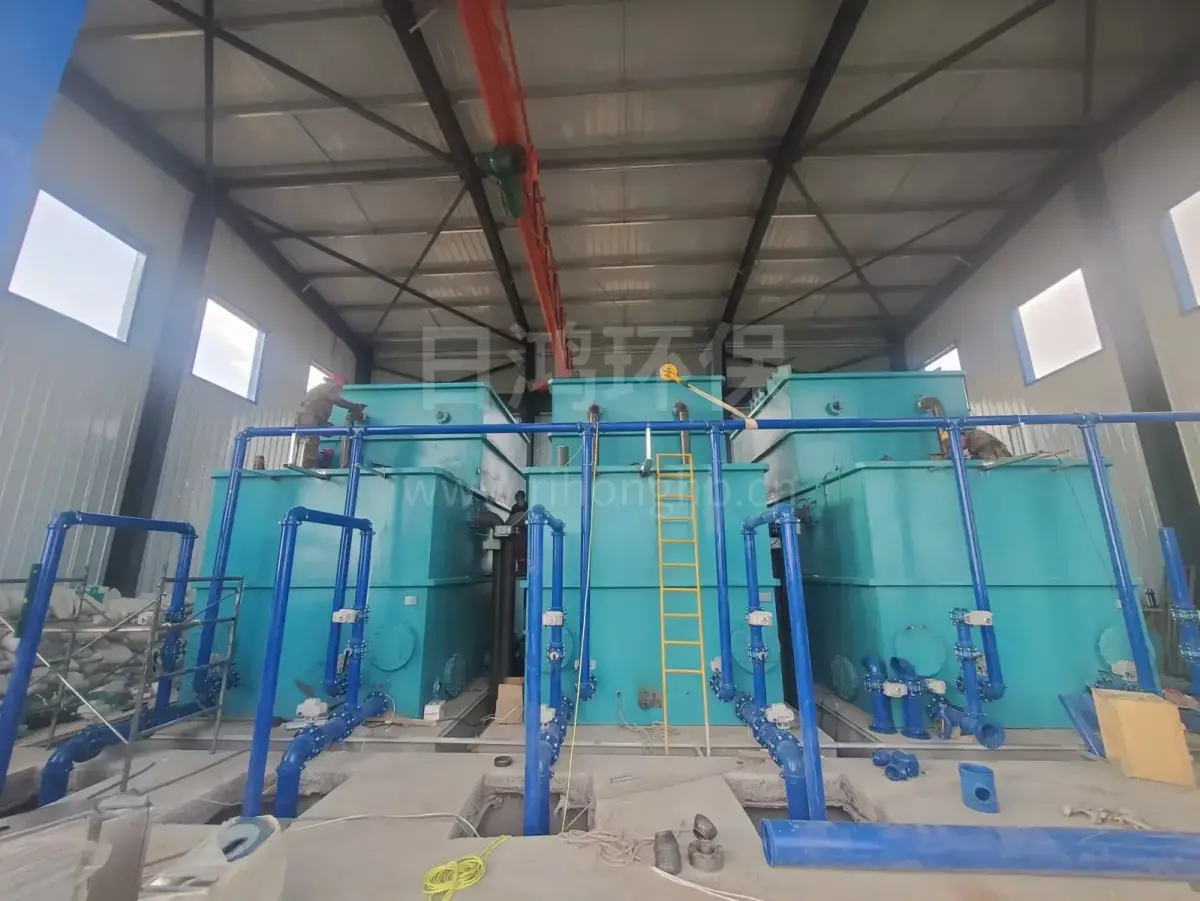
In rural areas, towns, military camps, factories and mines, surface water sources are scattered, and building traditional water treatment plants often faces challenges such as large investment, extensive land occupation, and long construction periods. Wushi Environmental Protection introduces the Integrated Water Purifier, which integrates coagulation, flocculation, sedimentation, filtration, and disinfection of a conventional water plant into a single ground-mounted unit. The effluent consistently meets the Standards for Drinking Water Quality (GB 5749), enabling scattered point sources to access safe and stable tap water.
Reclaimed Water Reuse RO Reverse Osmosis System
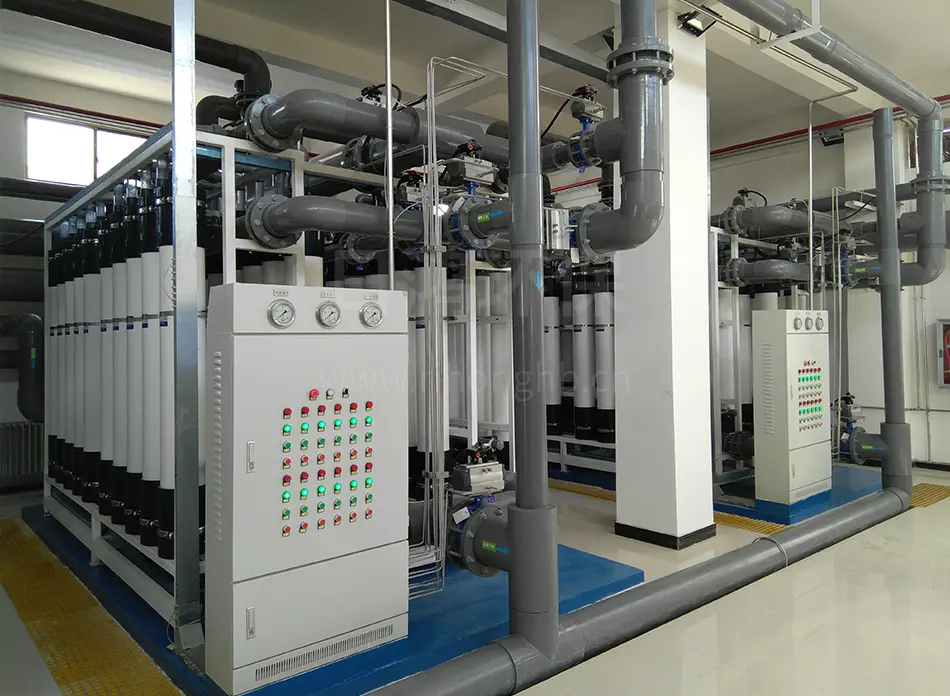
As industrial water intake costs rise and discharge standards tighten, "less fresh water intake, less wastewater discharge" has become a rigid demand. Direct discharge of municipal reclaimed water or a company's own secondary treated effluent is both wasteful and consumes quota. Wushi Environmental launches the industrial reclaimed water reuse RO reverse osmosis system, with Ultrafiltration (UF) + Reverse Osmosis (RO) dual-membrane process as the core, stably converting reclaimed water into circulating cooling make-up water, process water, and even boiler feedwater, with recovery up to 70% – 85%. The concentrate can enter evaporation crystallization to approach zero liquid discharge, helping enterprises save water, reduce emissions, and lower costs.
Valveless Filter
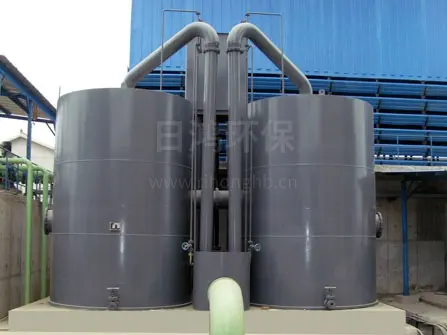
Traditional rapid filters have many valves, complex operation, and rely on manual timing for backwashing, resulting in heavy O&M burden and prone to misoperation. The valveless filter uses the "siphon principle" to replace all valves, achieving a fully automatic filtration-backwash cycle without the need for dedicated personnel. It is an economical choice for rural water supply, industrial circulating water side-stream filtration, and advanced filtration for reclaimed water reuse.
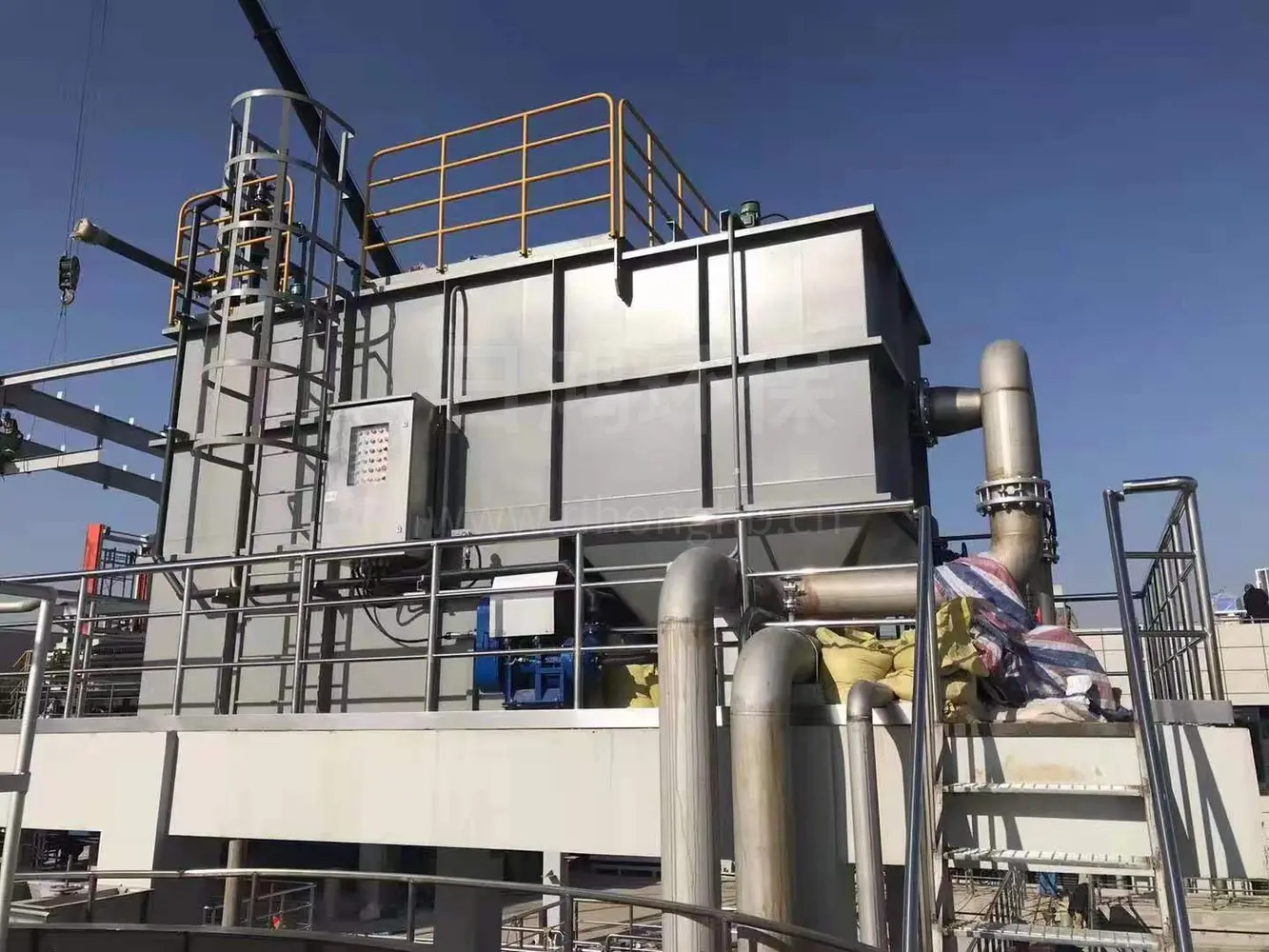
Microsand and Carbon Sedimentation Tank
Faced with the challenge of "dissolved taste and odor, color, micropollutants, and refractory COD" in drinking water and reuse water that cannot be removed by conventional coagulation and sedimentation, and with limited plant footprint, the Microsand and Carbon Sedimentation Tank couples microsand-loaded high-rate sedimentation with powdered activated carbon (PAC) adsorption in a single unit. It efficiently removes turbidity while adsorbing dissolved pollutants, with microsand recycled for reuse, requiring only 1/5–1/10 of the footprint of traditional processes.